other title:
第一场梦
/
Hatsu Yume
…
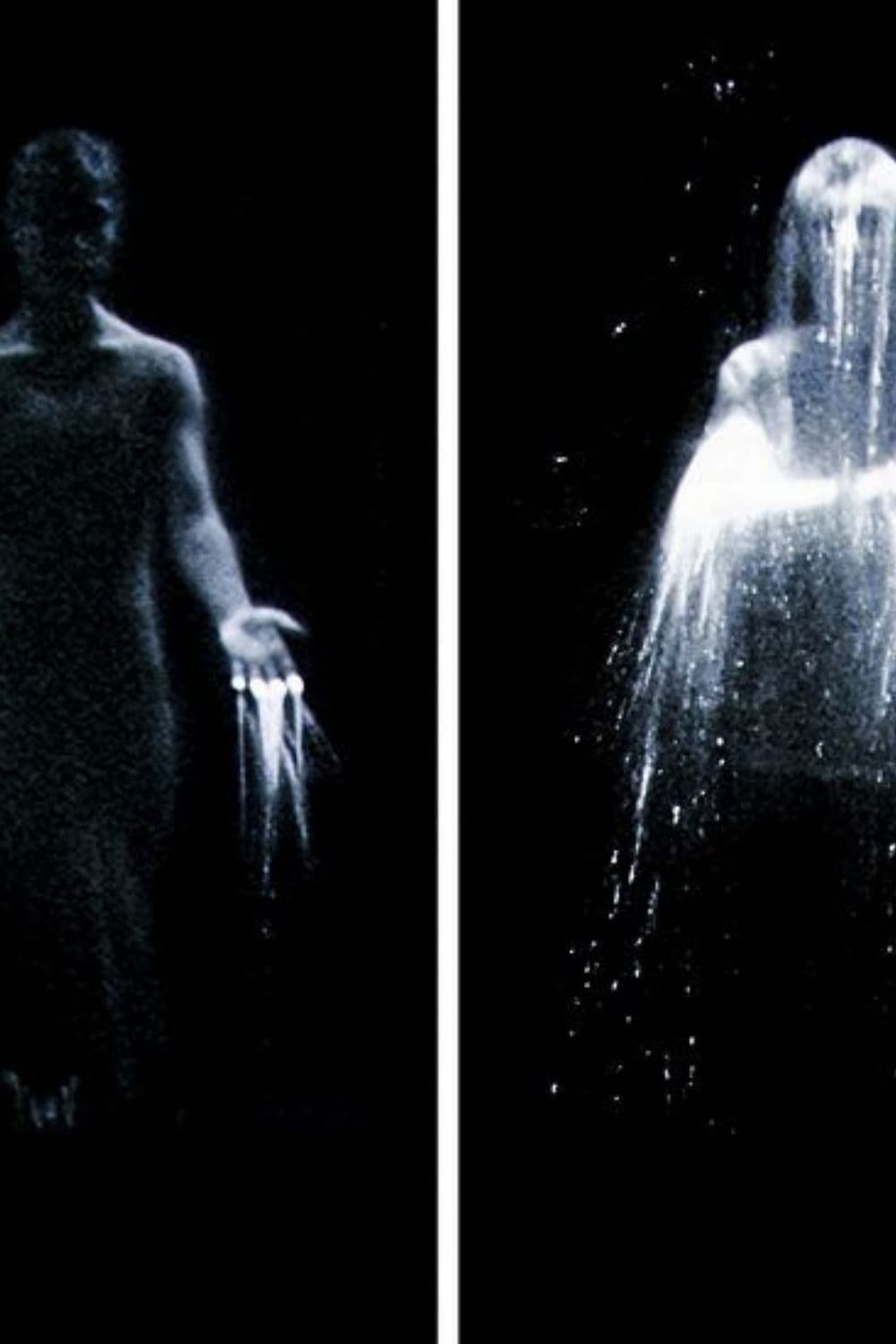
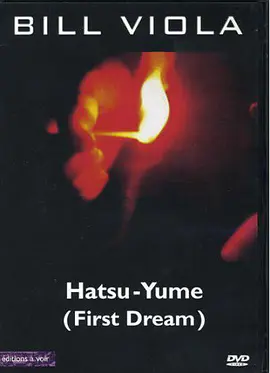
Hatsu-Yume (First Dream) is Bill Viola’s masterpiece, the greatest work by one of the most important video artists in the world. A spiritual allegory equating light and dark with life and death. Hatsu-Yume was produced in Japan in 1981 while Viola was artist-in-residence at the Sony Corporation. The title refers to Japanese folklore, wherein things done on the first day of a new year are significant. But the tape is not to be taken literally as a dream. For Viola, it’s more like the aboriginal concept of dreamtime, the creation of the world. That’s why, as a whole and in its parts, Hatsu-Yume progresses from darkness to light, stillness to motion, silence to sound, simplicity to complexity, nature to civilization. There are two interwoven themes: the dark water world of fish, and Buddhist rituals invoking the souls of dead ancestors. As in a dream, we frequently can’t tell if these wordless streams of image and sound are unfolding in real time, slow-motion or time-lapse. A work of extravagant pictorial beauty, Hatsu-Yume represents the most painterly use of light in the history of video. Form is content: the light that lures fish to their death protects human life. At once ominous majestic, and deeply spiritual, Hatsu-Yume is the work of a visionary poet of image and sound.