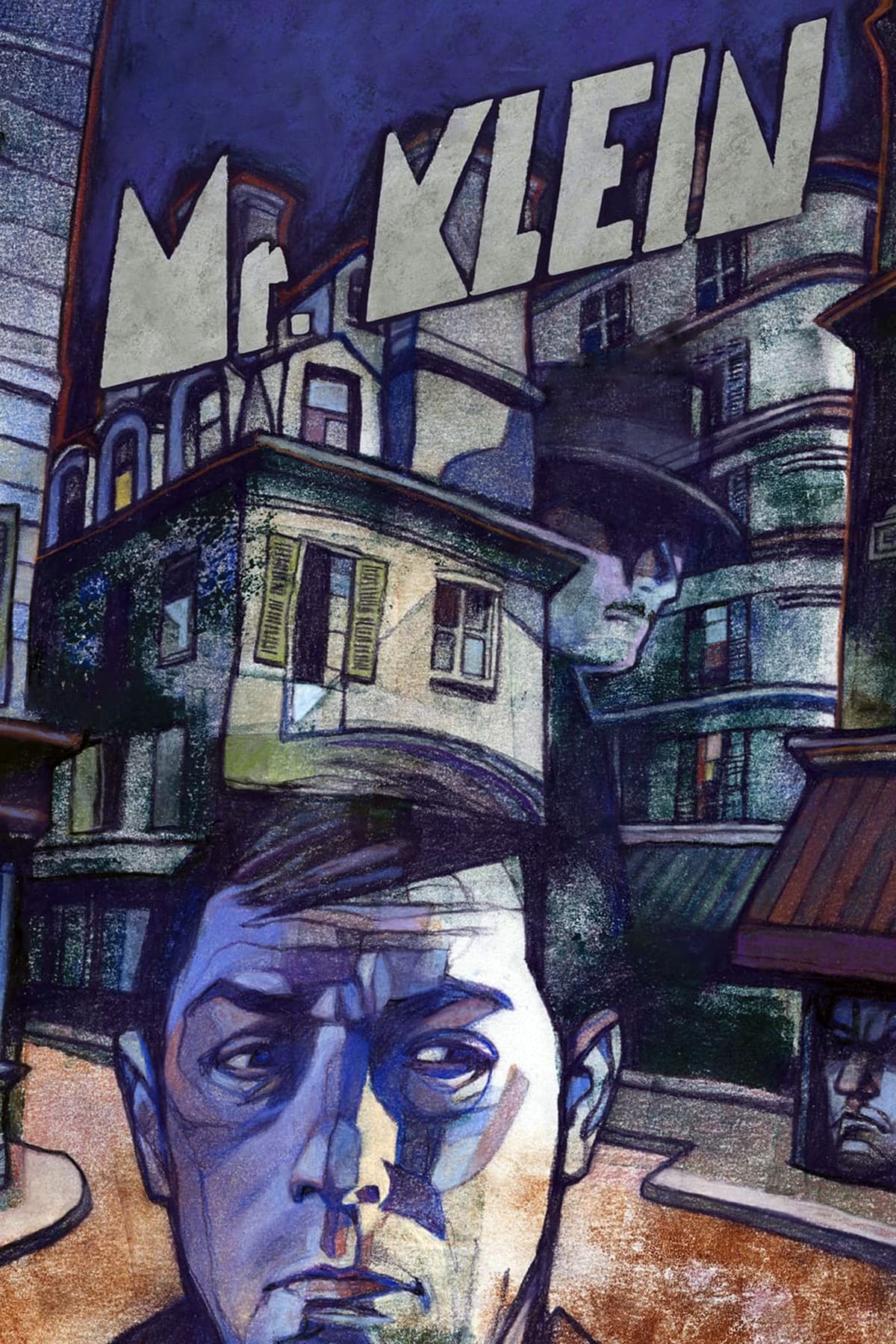
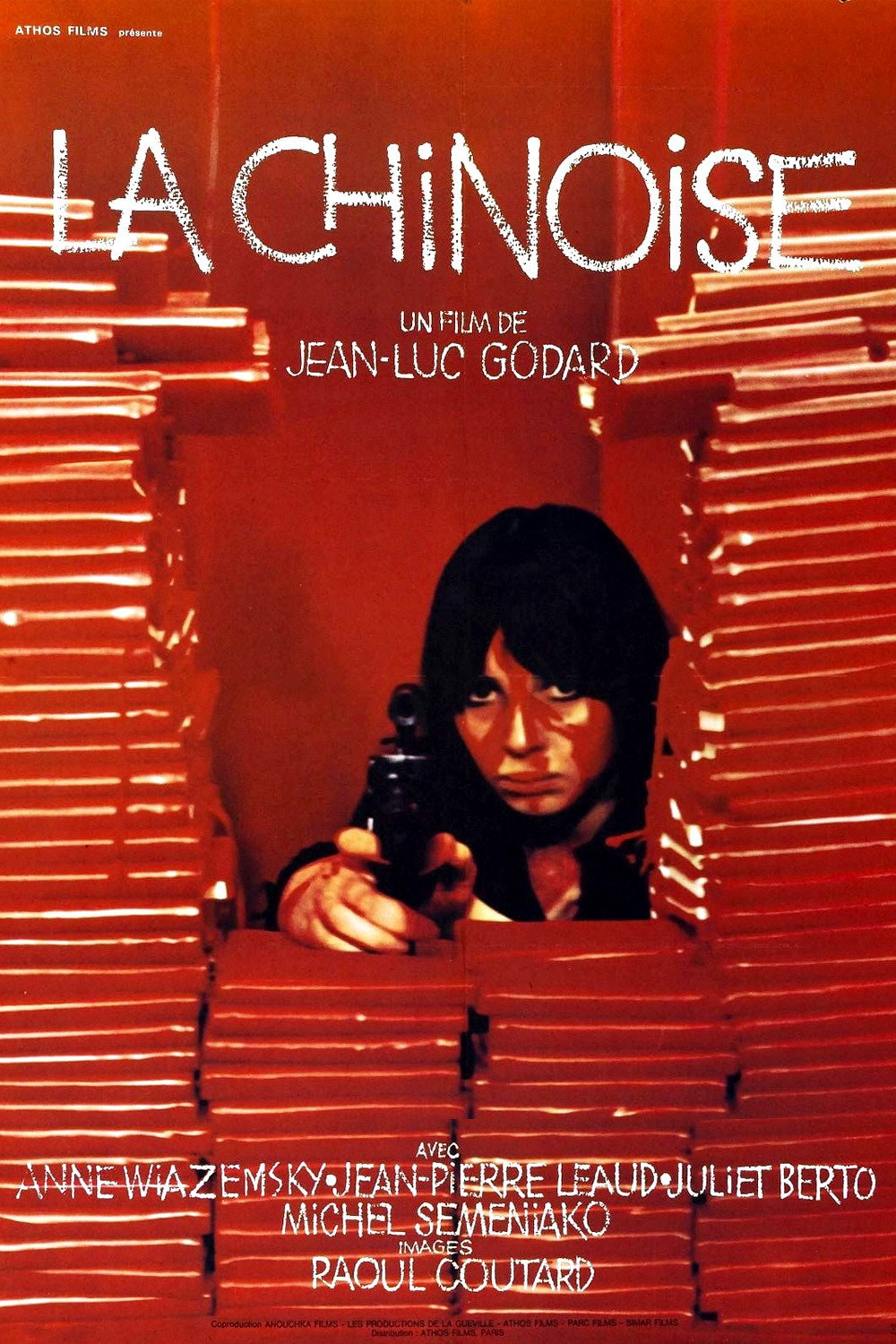
Juliet Berto — Actor (29)
世界的中央 (1974) [Movie] Douban
Le Milieu du monde
director: 阿兰·泰纳 actor: Olimpia Carlisi / Philippe Léotard
other title: Le Milieu du monde
影片以一位已婚的工程师和一位意大利女招待员之间的爱情故事为主要线索,试图把社会政治与电影的职能结合起来。工程师是某党的候选人,他的所作所为完全取决于该党为维护候选人形象而制订的竞选策略,更可悲的是他未能真正深入了解这位意大利姑娘,总是把她视为自己的附庸;最后女方断绝了与他的关系。
Be Pretty and Shut Up! (1981) [Movie] WikiData IMDb TMDB Douban
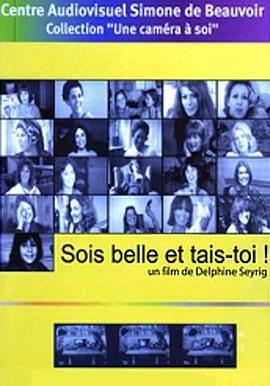
Sois belle et tais-toi
9.5 (15 ratings) director: 德菲因·塞里格 actor: 朱丽叶·贝尔托 / 简·方达
other title: 美丽无言 / Sois belle et tais-toi
在20世纪60年代和70年代,德尔芬·塞里格站在国际电影界大牌人物的镜头前。随着视频技术的兴起,她开始让自己的女权主义者与其他电影制片人和活动家卡罗尔·罗索普洛斯合作。1975年和1976年,这对夫妇询问了他们在法国和美国的24位同事——包括朱丽叶·贝托、艾伦·伯斯汀、简·方达、雪莉·麦克莱恩和玛丽亚·施耐德——关于她们在电影业中作为女性的经历。
对女演员的采访是一个令人震惊的、不足为奇的时代记录,对在一个忙碌于维护男性幻想机器的行业中工作做出了清醒的评估。赛里格问:“如果你是一个男人,你还会选择成为一个演员吗?“或者”你曾经和另一个女人演过戏吗?如果是,她的角色是竞争对手还是知己?“—从而启动反射过程。令人惊讶的不是答案——类似的缺乏细微的角色和适当的表现在今天仍然非常明显——而是有人曾经问过正确的问题。
In the 1960s and 70s, Delphine Seyrig stood before the camera for the big names in international cinema. With the rise of video technology, she began to make her own feminist works together with fellow filmmaker and activist Carole Roussopoulos. In 1975 and 1976, the pair asked 24 of their colleagues in France and the United States – including Juliet Berto, Ellen Burstyn, Jane Fonda, Shirley MacLaine and Maria Schneider – about their experiences as women in the film business.
The interviews with the actresses are a shockingly unsurprising record of the era, creating a sobering assessment of working in an industry busy maintaining the machinery of male fantasies. Seyrig asks: “If you’d been a man, would you still have chosen to become an actor?” or “Have you ever acted in a scene with another woman and if so, was her role that of a competitor or a confidante?” – thus initiating a process of reflection. What’s astonishing is not the answers – a similar lack of nuanced roles and appropriate representation is still very much apparent today – but rather the fact that here, for once, someone was asking the right questions.
Joy of Learning (1969) [Movie] WikiData IMDb TMDB Douban
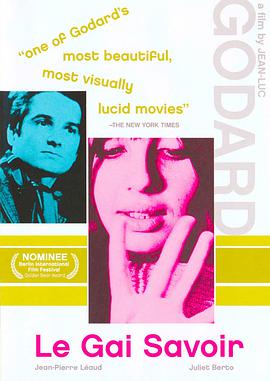
Le gai savoir
other title: 快乐的知识 / Le gai savoir
While alone in an abandoned television studio, two militants, Emile Rousseau and Patricia Lumumba, have a discourse on language. Referring to spoken word as "the enemy"--the weapon used by the establishment to confuse liberation movements--the two deconstruct the meanings of sounds and images in an attempt to "return to zero" and truly experience the joy of learning.
Duelle (1976) [Movie] WikiData IMDb TMDB Douban
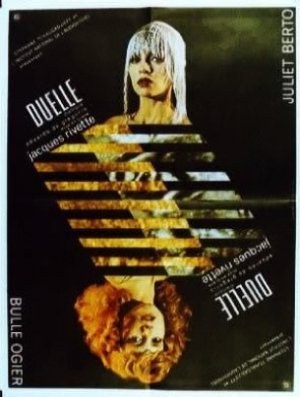
Duelle (une quarantaine)
7.1 (8 ratings) director: 雅克·里维特 actor: Juliet Berto / 布鲁·欧吉尔
other title: 决斗 / Duelle (une quarantaine)
Rivette is relatively precise in his dealings with meaning. He is the most atavistically ceremonious of the Vague, in the sense that his abstraction as a journey leading inwards is always attended by signs and codas that affirm our passage. The transcendent rite of passage, in more ways than one, is about the symbolic enactment that paves the way. The transcendence itself is left to our sphere of experience, but we're at least brought to the doorstep.
Oh, there's the improvisational flow that seems to throw people off, that things seem to be randomly bubbling up from nothing without significant plan or substance. The chance encounters in a world that we may recognize, the geography vaguely familiar whose nature is yet ultimately insoluble. There's a lot of that here. As in Celine, it is the breathing space that conducts our preparation to step beyond the mechanisms of reason. We don't reason with it, rather trust its intuitive flow. Like the dream world, it is only the figment of the known world spontaneously arisen as a stage or blank slate for the atavistic portents and divinations of the subconscious mind to be writ.
But the rite of passage matters, in spite of the seemingly aimless wandering. Here it is about human effort to bypass the 'wall of paradise' constituted by the coincidence of apparent opposites (good and evil, light and dark, being and non-being). A barrier that obscures vision and traps in a world of names and forms that is only an apparent reality.
Rendered in the film as twin goddesses of sun and moon, vying for a precious stone that enables their descend into the human world. The human characters are mere pawns to their schemes; to be seduced, tricked, threatened, or ultimately destroyed. Twin femme fatales, weaving spells in an inverse noir universe magnified into a macrocosmic struggle.
The ill-prepared man who chances to steal a glimpse of them in their true form, like in the myth of Actaion who steals upon the Greek goddess Artemis bathing naked in a pool, has his consciousness shattered by the revelation. His mirrored image (the soul, the reflected half) is cracked.
The woman who finally shatters the illusionary duality that quarantines human consciousness into meaningless dilemmas, does so by a sacrifice of blood.
And this is the problem of the film. So much of it is a stridently symbolic enactment, a matter of ceremony. The sacrifice is, quite literally, a matter of spilling blood upon the symbolic stone and does not flow from anything - it is simply the schematic end of the spiritual myth. Although valuable as insight, the meaning of the film is trapped inside the rituals performed to signify it. Having cracked the outer shell to absorb it, the film seizes to resonate.
Delphine and Carole (2019) [Movie] WikiData IMDb TMDB Douban
Delphine et Carole, insoumuses
9.0 (73 ratings) director: 卡利斯托·麦克诺迪 actor: 卡罗尔·罗索普洛斯 / 德菲因·塞里格
other title: 德菲因与卡罗尔:反叛缪斯 / Delphine et Carole, insoumuses
In the 70s, actress Delphine Seyrig and director Carole Roussopoulos, both militant feminists, were the pioneers of video activism in France. They documented the demonstrations of French feminists and used the new technologies to counter the poor representation of women in the public media.