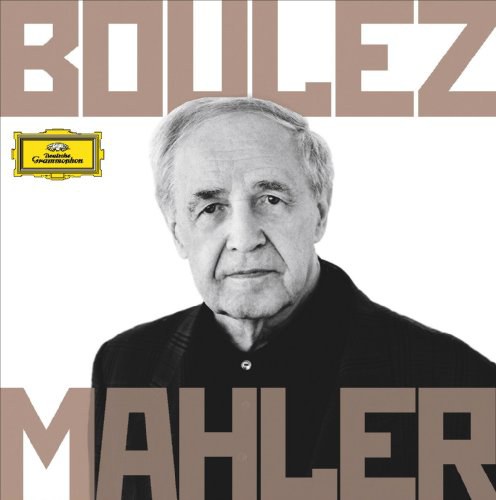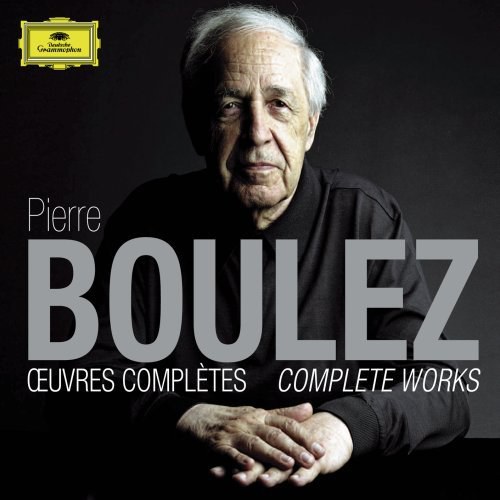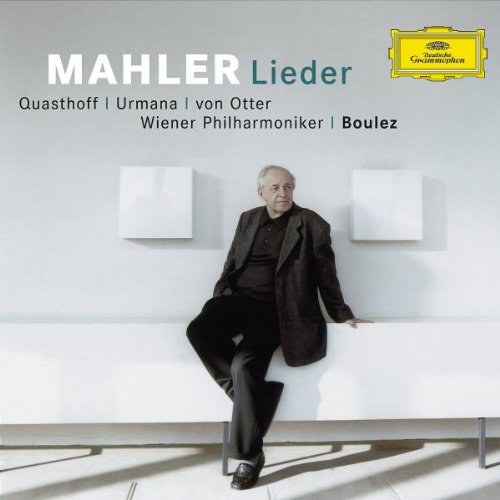
马勒《浪游者之歌》《吕克特歌集》《亡儿之歌》 / 布列兹指挥维也纳爱乐 [Music] Douban
Pierre Boulez
/
Wiener Philharmoniker
…
genre:
Classical
release date 2005-01-11
publisher:
Deutsche Grammophon
Amazon.com
These songs reveal Mahler, that frankly autobiographical composer, at his emotionally most personal. For the Songs of a Wayfarer, the earliest cycle (later extensively revised), the poetry--a sorrowful tale of unrequited young love--is Mahler's own. The music is simple, lyrical, and deeply moving, going from inward grief through suicidal anguish to calm resignation. (Two of the themes reappear in the First Symphony.) In Kindertotenlieder, the poet Friedrich Rückert laments the loss of his children, a tragedy he knew from personal experience. Mahler, however, began composing the music before he became a father; two years after he'd completed it, his older daughter died. The cycle contains some of the most harrowing, wrenching songs in the literature. By contrast, the five other Rückert songs radiate a serene happiness that is like a breath of fresh air. The performances on this disc are breathtaking. Quasthoff's voice seems to become more and more beautiful; pure, velvety and warm, it has an endless range of dynamics, nuances and inflections. He draws the listener in from the first moment. Urmana gives the Rückert songs just the right sunny lightness, soaring up in long, sustained, caressing phrases; she keeps the last song, "Um Mitternacht," from becoming bombastic. Although the Kindertotenlieder are really a bereaved father's lament, von Otter makes them totally convincing. Her voice is dark, intense, and luminous. As for the orchestra, Boulez inspires masterful precision and impeccable balance, letting every line stand out. He turns Mahler's incomparable instrumentation into a tapestry of blazing, glittering colors, unleashing both inward and outward tempests. This record will leave you overwhelmed and heartbroken. --Edith Eisler
These songs reveal Mahler, that frankly autobiographical composer, at his emotionally most personal. For the Songs of a Wayfarer, the earliest cycle (later extensively revised), the poetry--a sorrowful tale of unrequited young love--is Mahler's own. The music is simple, lyrical, and deeply moving, going from inward grief through suicidal anguish to calm resignation. (Two of the themes reappear in the First Symphony.) In Kindertotenlieder, the poet Friedrich Rückert laments the loss of his children, a tragedy he knew from personal experience. Mahler, however, began composing the music before he became a father; two years after he'd completed it, his older daughter died. The cycle contains some of the most harrowing, wrenching songs in the literature. By contrast, the five other Rückert songs radiate a serene happiness that is like a breath of fresh air. The performances on this disc are breathtaking. Quasthoff's voice seems to become more and more beautiful; pure, velvety and warm, it has an endless range of dynamics, nuances and inflections. He draws the listener in from the first moment. Urmana gives the Rückert songs just the right sunny lightness, soaring up in long, sustained, caressing phrases; she keeps the last song, "Um Mitternacht," from becoming bombastic. Although the Kindertotenlieder are really a bereaved father's lament, von Otter makes them totally convincing. Her voice is dark, intense, and luminous. As for the orchestra, Boulez inspires masterful precision and impeccable balance, letting every line stand out. He turns Mahler's incomparable instrumentation into a tapestry of blazing, glittering colors, unleashing both inward and outward tempests. This record will leave you overwhelmed and heartbroken. --Edith Eisler