Harun Farocki — Director (46)

Movie

Schnittstelle (1995)
Schnittstelle IMDb TMDB Douban
other title: Interface
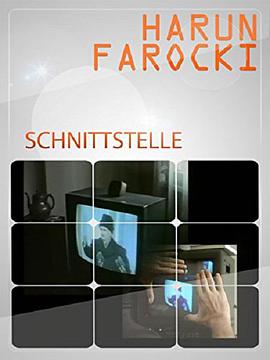
1995 | 00:23:00 | Germany | English | Color | Stereo Collection: Single Titles Tags: Autobiography, Film or Videomaking add to cartadd to wish list "Harun Farocki was commissioned by the Lille Museum of Modern Art to produce a video about his work. His creation was an installation for two screens that was presented within the scope of the 1995 exhibition The World of Photography. The film Interface (Schnittstelle) developed out of that installation. Reflecting on Farocki's own documentary work, it examines the question of what it means to work with existing images rather than producing one's own, new images. The German title plays on the double meaning of "Schnitt", referring both to Farocki's workplace, the editing table, as well as the "human-machine interface", where a person operates a computer using a keyboard and a mouse." --3sat television guide, September, 1995

Movie

The Interview (1996)
Die Bewerbung Douban
other title: 面试 / Die Bewerbung
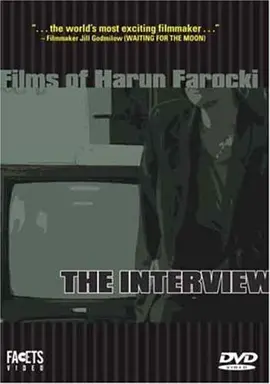
"In the summer of 1996, we filmed application training courses in which one learns how to apply for a job. School drop-outs, university graduates, people who have been retained, the long-term unemployed, recovered drug addicts, and mid-level managers - all of them are supposed to learn how to market and sell themselves, a skill to which the term 'self management' is applied. The self is perhaps nothing more than a metaphysical hook from which to hand a social identity. It was Kafka who likened being accepted to a job to entering the Kingdom of Heaven; the paths leading to both are completely uncertain. Today one speaks of getting a job with the greatest obsequiousness, but without any grand expectations."

Movie

workers leaving the factory (2003)
Arbeiter verlassen die Fabrik WikiData IMDb TMDB Douban
★ 9.5 6 ratings
other title: 工人离开工厂 / Arbeiter verlassen die Fabrik …
Based on one of the Lumière brothers’ historic first films, Harun Farocki has created a montage of scenes from 100 years of film history, all variations on the theme of “workers leaving the factory”. Farocki uses the pictures to reflect on the iconography and economy of a workers’ society, as well as that of cinema itself, which tends to acquire its audience at the gates of the factory and hijack them into the private sphere.

Movie

How to Live in the German Federal Republic (1990)
Leben - BRD IMDb TMDB Douban
other title: 如何生活在联邦德国 / Leben - BRD …
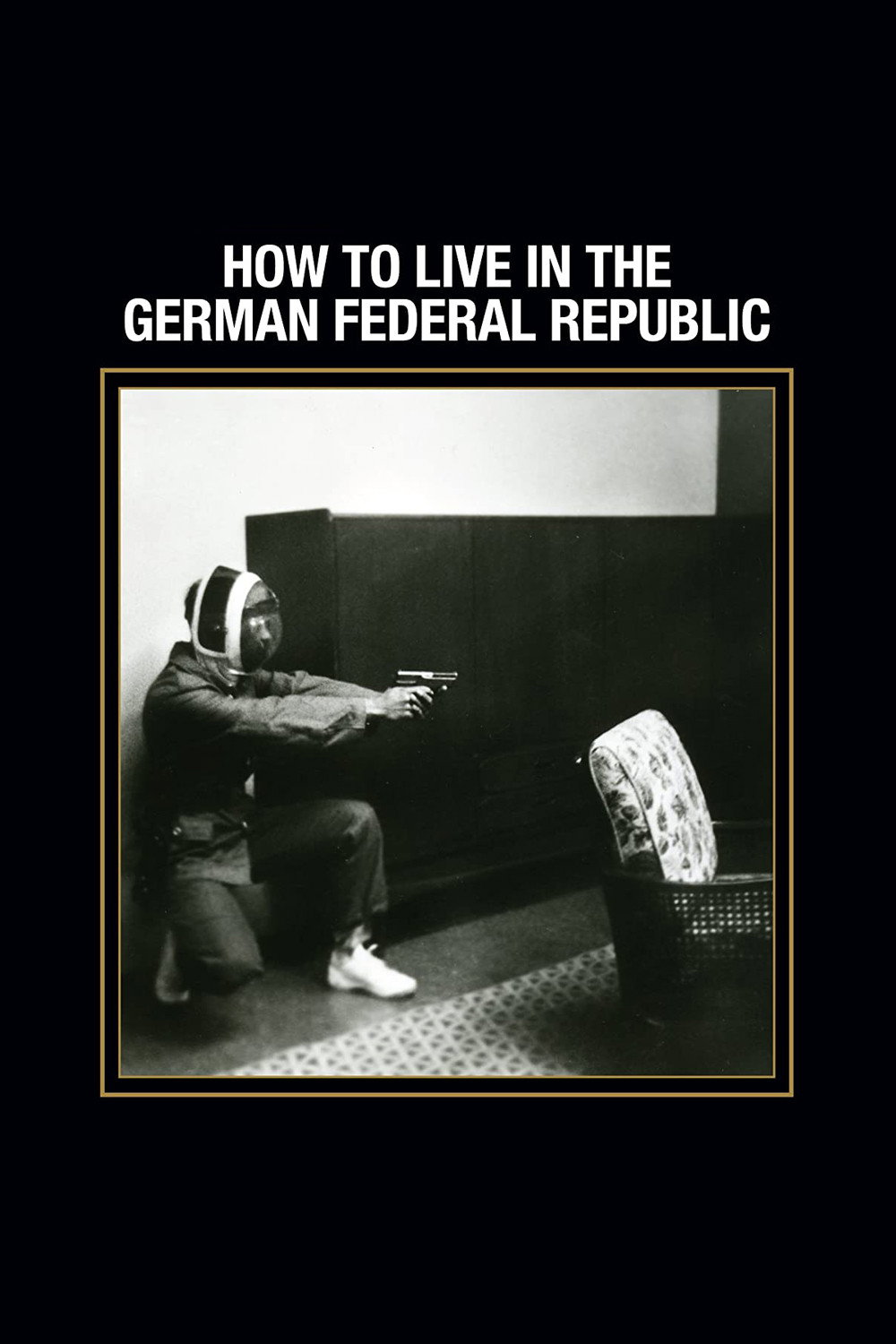
A series of 32 short scenes, uniformly set in West German instructional and training classes, that show various tasks among the citizenry being done solely as the result of exhaustive preparation - everything from women preparing to give birth, to strippers stripping, to policemen making arrests. Farocki uses the material to savagely dissect the West German mode of life. ~ Nathan Southern, Rovi

Movie

In Comparison (2009)
Zum Vergleich IMDb TMDB Douban
other title: 对比 / Zum Vergleich …
“I would like to propose a film that contributes to the concept of work. That compares the work of a traditional society, like in Africa, in an early industrial society such as India, and in a highly developed industrial society, in Europe or Japan. The object of comparison is to be the work in building houses. Houses to live in.” This was written in Harun Farocki’s exposé from 2003 for a documentary project. “After initial research (...) I had the idea of using the brick, its manufacture and its processing as the object of comparison, explains Farocki. “We were looking for a great variety of uses for bricks – and we were looking for manufacturing processes that would possibly do away with bricks.” In India he filmed a brickworks whose threading machine was from the 1930s when Gandhi was organizing the anti-colonialist protest. The installation in northern France was operated by Moroccans who housed in barracks like POWs or forced labourers. In Mumbai apartment houses were built much like they are in Europe. No hand touched the products that came out of the highly mechanized factories in Germany. In Burkina Faso Farocki followed the communal work on a hospital ward and a school building with his camera: “I’ve never in my life been able to observed such a strange process so closely.” The film does without commentary; there are only indications of the places and a few explanations offered in subtitles.