Lin Chun — 作者 (3)
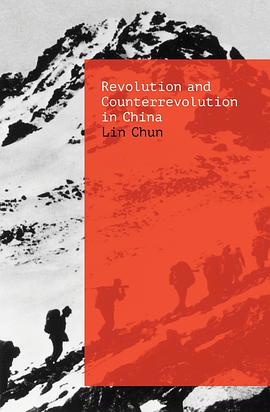
Revolution and Counterrevolution in China [图书] 豆瓣 Goodreads
作者: Lin Chun publishing house: Verso 2021 - 6 其它标题: Revolution and Counterrevolution in China: The Paradoxes of Chinese Struggle
A major new contribution to the study of China’s revolutions and counterrevolutions over the past century
Over recent decades China has experienced massive change and development. China is the world’s fastest growing economy, and has become a global superpower once again. But this development has thrown up a number of seemingly intractable contradictions, both political and economic. In this panoramic study of Chinese history in the twentieth century and its place in the development of global capitalism, Lin Chun argues that the paradoxes of contemporary Chinese society are not simply the product of the development of capitalism or modernity in the country. They are instead the product of the contradictions of its long revolutionary history, as well as the social and political consequences of its post-socialist transition.
Published to coincide with the one-hundredth anniversary of the founding of the Chinese Communist Party, Revolution and Counterrevolution in China charts China’s epic revolutionary trajectory in search of a socialist alternative to the global system, and asks whether market reform must repudiate and overturn the revolution and its legacy.
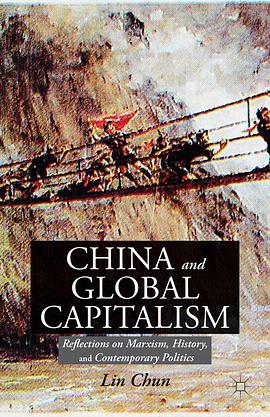
China and Global Capitalism [图书] 豆瓣
作者: Lin Chun publishing house: Palgrave Macmillan 2013
China and Global Capitalism is a historical and conceptual analysis of China's position and positioning in the world. Reviewing relevant debates, Lin Chun clarifies the evolving relationship between China and global capitalism, past, present, and possible future, and offers a critical reflection on received knowledge about China and the resulting expectations and recommendations for its development, which are largely dependent on the standardization of capitalist trajectories. Against the historical and international background of China's revolutionary, socialist, and post-socialist transformations, this book assesses the logic and crises of capitalist integration. It asks whether a renewed Chinese social model is still feasible as an alternative with potentially universal implications to the eco-socioeconomic impasse of standard modernization. Rejecting both economically and culturally deterministic approaches, the book argues for the centrality of transformative politics.