Trịnh T. Minh-hà — 演员 (2)
第四维度 (2001) [电影] 豆瓣 TMDB
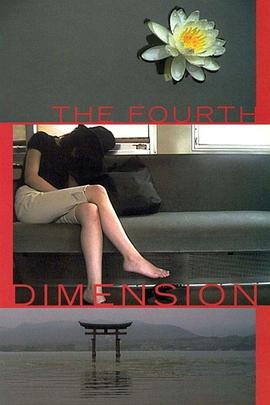
The Fourth Dimension
导演: T. Minh-ha Trinh 崔明霞 演员: Trịnh T. Minh-hà
其它标题: The Fourth Dimension
Acclaimed filmmaker Trinh T. Minh-ha ventures into the digital realm with her stunning feature, THE FOURTH DIMENSION, an incisive and insightful examination of Japan through its art, culture, and social rituals. As is the case with Trinh's previous films, her film is a multi-layered work addressing issues around its central theme: the experience of time, the impossibility of truly "seeing," and the impact of video on image-making.
THE FOURTH DIMENSION is an elegant meditation on time, travel, and ceremony in the form of a journey. In her first foray into digital video, Minh-ha deconstructs the role of ritual in mediating between the past and the present. She explains, "Shown in their widespread functions and manifestations, including more evident loci such as festivals, religious rite and theatrical performance, 'rituals' involve not only the regularity in the structure of everyday life, but also the dynamic agents in the world of meaning." With its lush imagery, Minh-ha's Japan is viewed through mobile frames, with doors and windows sliding shut, revealing new vistas as it blocks out the old light.
“Trinh T. Minh-ha’s newest essayistic work and her first videotape, cuts an intricate key for unlocking this elusive culture. Her tack finds great visual pleasure in the everyday, composing and decomposing the social landscape, while constructing a poetic grid of temporalities, symbolic meaning, and ritual. In THE FOURTH DIMENSION, Trinh’s lyrical narration guides us through ‘Japan’s likeness,’ the perfected framing of the sacramental familiar.” - Steve Seid
The Machine That Killed Bad People (1990) [电影] TMDB IMDb
The Machine That Killed Bad People
导演: Steve Fagin 演员: Steve Fagin / Trịnh T. Minh-hà
The Machine That Killed Bad People is about the cultural and political history of the Philippines leading up to the overthrow of President Ferdinand Marcos in 1986. It also addresses the role of electronic media in the struggle for power, and more broadly, American intervention in the Third World. Using a structure that emulates the way television news programs construct meaning through fragmentation, the tape interweaves clips of Filipino activists and reporters, a fictional television anchorwoman and correspondent, commentary by independent filmmaker Trinh T. Minh-ha, Fagin's off-camera voice and script, and anonymous excerpts from commercial television.