Octavio Getino — 导演 (2)
通向死亡的漫长旅程 (1971) [电影] 豆瓣
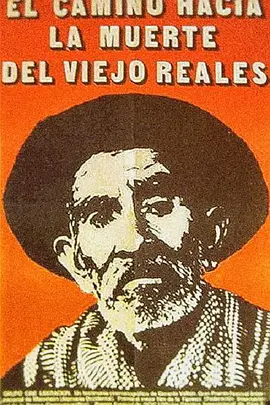
El Camino hacia la muerte del viejo Reales
导演: Gerardo Vallejo / Octavio Getino 演员: Gerardo Ramón Reales
其它标题: El Camino hacia la muerte del viejo Reales / Viejo Reales' Long Way Journey to Death
Gerardo Vallejo's first film tells the story of the Reales family, which the director had already approached in Las cosas ciertas, a previous short film made within the context of the Santa Fe Documentary Film School. As Vallejo would recall later: "We wanted to discover, first, and create, later, using each character's life as a starting point. We shot what we could for a certain time until we ran out of film. Then we printed and copied it. The analysis of that material –plus new footage we shot later– determined a narrative structure. The initial testimonial goal was later enriched by reenactment sequences filmed with the same protagonists." The result is one of the best documentaries in the history of Latin American cinema. It was the second politically committed film made by the Cine Liberación group after The Hour of Furnaces, in which Vallejo also collaborated. A new print will be screened, obtained by APROCINAIN (Association for the Support of the Audiovisual Patrimony and the National Film Library) thanks to the kindness of Eva Piwowarski.
Gerardo Vallejo was born in Tucumán, Argentina, in 1942. After graduating from the Santa Fe Film School, he made the short film Las cosas ciertas. He was an assistant director in The Hour of the Furnaces (1966-68) and created the film series Testimonios de Tucumán (1968-69). He directed, among others, The Rigorous Fate (1985) and Martín Fierro, el ave solitaria (2006).
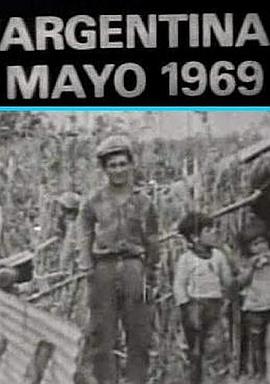
阿根廷1969年5月:解放之路 (1969) [电影] 豆瓣
Argentina, mayo de 1969: Los caminos de la liberación
导演: Octavio Getino / Nemesio Juárez
其它标题: Argentina, mayo de 1969: Los caminos de la liberación / Argentina, May of 1969: The Roads of the Liberation
由Fernando Solanas监制并任摄影和剪辑,找来自己当年的老搭挡Octavio Getino和一群“解放电影小组”的成员,个个都是阿根廷新浪潮里的革命派人物,拍摄了这部长达210分钟共12章节的黑白纪录片,真实记录下1969年5月29日阿根廷人民走上科尔多巴市的街头反抗翁加尼亚(Ongania)军事专政的场景,阿根廷反抗独裁争取自由之路由此开始。
“解放电影小组”(Grupo Cine Liberación)由Solanas和Octavio Getino、Gerardo Vallejo三人组建,吸收了一批当时优秀的新浪潮导演,以拍摄纪录片为主,虽然其成员各自的政治信仰不尽相同,有些信仰马克思主义,有些则推崇贝隆主义,但对独裁专治的共同憎恶使他们走到了一起。而“解放电影小组”也与阿根廷左翼先锋导演Raymundo Gleyzer的“Cine de la Base”、古巴ICAIC的革命电影、巴西新浪潮、及玻利维亚的Jorge Sanjines共同奠定了拉美第三世界电影运动的基础。
本片是继《燃火的时刻》后拉美影史上又一部重要的政治纪录片,在71年柏林电影节上全体创作人员共同获得了FIPRESCI奖。