哈罗德·品特 — 编剧 (32)
品特在BBC (2019) [电影] 豆瓣
Pinter at the BBC
导演: 克里斯托弗·莫拉汉 / 哈罗德·品特 演员: 迈克尔·刚本 / 朱丽·沃特斯
其它标题: Pinter at the BBC
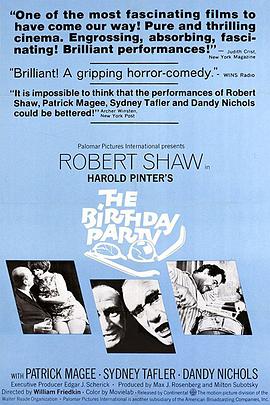
哈罗德·品特(1930-2008)是上世纪最重要和最有影响力的英国剧作家之一。 品特在1965年至1988年期间为英国广播公司(BBC)制作了10部戏剧。虽然他以舞台作品而闻名,但本专辑展现了品特对电视的重大贡献,收录了不少之前没有DVD版本的剧作,其中包括《Tea Party》(1965年),《Old Times》(1975年)和《The Birthday Party》(1987年)(包含品特在他自己的作品中的罕见出演)。剧集还囊括了一系列令人目眩的英国天才演员,包括Michael Gambon,Julie Walters,Leo McKern,Vivian Merchant,John Le Mesurier和Miranda Richardson。品特在电视屏幕上的工作体现了不少舞台剧的品质,包括权力的根源的好奇,对记忆的关注,对女性的信仰。他是一位伟大的作家。他的作品让我们进入他想象中的黑暗空间。
团圆 (1989) [电影] 豆瓣 IMDb 维基数据 TMDB
Reunion
导演: Jerry Schatzberg 演员: Jason Robards / 克里斯汀·安霍尔特
其它标题: Reunion / L'ami retrouvé
Two young boys from very different backgrounds become friends in 1933 Stuttgart. However, they don't realize how different they are until much later as one is the son of a well-to-do Jewish doctor and the other the son of a German aristocrat. After that summer and the election of Hitler, things change as anti-semitism gains fervor. After the core of the film deals with that era, the film flashes to the present and the Jewish man now returns to his boyhood home and seeks his old friend with some surprises.
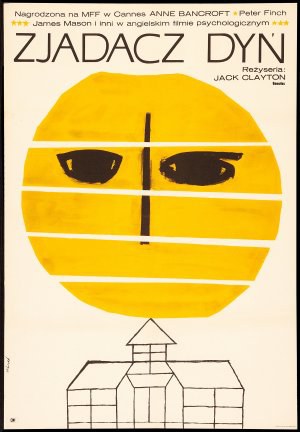
The Caretaker [演出] 豆瓣
类型: theater 编剧: Harold Pinter
导演: Donald McWhinnie / Kenneth Ives 演员: Donald Pleasence / Alan Bates / Peter Woodthorpe / Robert Shaw / Jonathan Pryce
Act I

A night in winter

[Scene 1]

Aston has invited Davies, a homeless man, into his apartment after rescuing him from a bar fight (7–9). Davies comments on the apartment and criticizes the fact that it is cluttered and badly kept. Aston attempts to find a pair of shoes for Davies but Davies rejects all the offers. Once he turns down a pair that doesn’t fit well enough and another that has the wrong colour laces. Early on, Davies reveals to Aston that his real name is not "Bernard Jenkins", his "assumed name", but really "Mac Davies" (19–20, 25). He claims that his papers validating this fact are in Sidcup and that he must and will return there to retrieve them just as soon as he has a good pair of shoes. Aston and Davies discuss where he will sleep and the problem of the "bucket" attached to the ceiling to catch dripping rain water from the leaky roof (20–21) and Davies "gets into bed" while "ASTON sits, poking his [electrical] plug (21).

[Scene 2]
The LIGHTS FADE OUT. Darkness.

LIGHTS UP. Morning. (21) As Aston dresses for the day, Davies awakes with a start, and Aston informs Davies that he was kept up all night by Davies muttering in his sleep. Davies denies that he made any noise and blames the racket on the neighbors, revealing his fear of foreigners: "I tell you what, maybe it were them Blacks" (23). Aston informs Davies that he is going out but invites him to stay if he likes, indicating that he trusts him (23–24), something unexpected by Davies; for, as soon as Aston does leave the room (27), Davies begins rummaging through Aston's "stuff" (27–28) but he is interrupted when Mick, Aston’s brother, unexpectedly arrives, "moves upstage, silently," "slides across the room" and then suddenly "seizes Davies' "arm and forces it up his back," in response to which "DAVIES screams," and they engage in a minutely-choreographed struggle, which Mick wins (28–29), ending Act One with the "Curtain" line, "What's the game?" (29).
Act II

[Scene 1]
A few seconds later

Mick demands to know Davies' name, which the latter gives as "Jenkins" (30), interrogates him about how well he slept the night before (30), wonders whether or not Davies is actually "a foreigner"—to which Davies retorts that he "was" indeed (in Mick's phrase) "Born and bred in the British Isles" (33)—going on to accuse Davies of being "an old robber […] an old skate" who is "stinking the place out" (35), and spinning a verbal web full of banking jargon designed to confuse Davies, while stating, hyperbolically, that his brother Aston is "a number one decorator" (36), either an outright lie or self-deceptive wishful thinking on his part. Just as Mick reaches the climactic line of his diatribe geared to put the old tramp off balance—"Who do you bank with?" (36), Aston enters with a "bag" ostensibly for Davies, and the brothers debate how to fix the leaking roof and Davies interrupts to inject the more practical question: "What do you do . . . when that bucket's full?" (37) and Aston simply says, "Empty it" (37). The three battle over the "bag" that Aston has brought Davies, one of the most comic and often-cited Beckettian routines in the play (38–39). After Mick leaves, and Davies recognises him to be "a real joker, that lad" (40), they discuss Mick's work in "the building trade" and Davies ultimately discloses that the bag they have fought over and that he was so determined to hold on to "ain't my bag" at all (41). Aston offers Davies the job of Caretaker, (42–43), leading to Davies' various assorted animadversions about the dangers that he faces for "going under an assumed name" and possibly being found out by anyone who might "ring the bell called Caretaker" (44).

[Scene 2]

THE LIGHTS FADE TO BLACKOUT.
THEN UP TO DIM LIGHT THROUGH THE WINDOW.
A door bangs.
Sound of a key in the door of the room.
DAVIES enters, closes the door, and tries the light switch, on, off, on, off.

It appears to Davies that "the damn light's gone now," but, it becomes clear that Mick has sneaked back into the room in the dark and removed the bulb; he starts up "the electrolux" and scares Davies almost witless before claiming "I was just doing some spring cleaning" and returning the bulb to its socket (45). After a discussion with Davies about the place being his "responsibility" and his ambitions to fix it up, Mick also offers Davies the job of "caretaker" (46–50), but pushes his luck with Mick when he observes negative things about Aston, like the idea that he "doesn't like work" or is "a bit of a funny bloke" for "Not liking work" (Davies' camouflage of what he really is referring to), leading Mick to observe that Davies is "getting hypocritical" and "too glib" (50), and they turn to the absurd details of "a small financial agreement" relating to Davies' possibly doing "a bit of caretaking" or "looking after the place" for Mick (51), and then back to the inevitable call for "references" and the perpetually-necessary trip to Sidcup to get Davies' identity "papers" (51–52).

[Scene 3]
Morning

Davies wakes up and complains to Aston about how badly he slept. He blames various aspects of the apartment's set up. Aston suggests adjustments but Davies proves to be callous and inflexible. Aston tells the story of how he was checked into a mental hospital and given electric shock therapy, but when he tried to escape from the hospital he was shocked while standing, leaving him with permanent brain damage; he ends by saying, "I've often thought of going back and trying to find the man who did that to me. But I want to do something first. I want to build that shed out in the garden" (54–57). Critics regard Aston's monologue, the longest of the play, as the "climax" of the plot.[3] In dramaturgical terms, what follows is part of the plot's "falling action".
Act III

[Scene 1]
Two weeks later [… ]Afternoon.

Davies and Mick discuss the apartment. Mick relates "(ruminatively)" in great detail what he would do to redecorate it (60). When asked who "would live there," Mick's response "My brother and me" leads Davies to complain about Aston's inability to be social and just about every other aspect of Aston's behaviour (61–63). Though initially invited to be a "caretaker," first by Aston and then by Mick, he begins to ingratiate himself with Mick, who acts as if he were an unwitting accomplice in Davies' eventual conspiracy to take over and fix up the apartment without Aston's involvement (64) an outright betrayal of the brother who actually took him in and attempted to find his "belongings"; but just then Aston enters and gives Davies yet another pair of shoes which he grudgingly accepts, speaking of "going down to Sidcup" in order "to get" his "papers" again (65–66).

[Scene 2]
That night

Davies brings up his plan when talking to Aston, whom he insults by throwing back in his face the details of his treatment in the mental institution (66–67), leading Aston, in a vast understatement, to respond: "I . . . I think it's about time you found somewhere else. I don't think we're hitting it off" (68). When finally threatened by Davies pointing a knife at him, Aston tells Davies to leave: "Get your stuff" (69). Davies, outraged, claims that Mick will take his side and kick Aston out instead and leaves in a fury, concluding (mistakenly): "Now I know who I can trust" (69).

[Scene 3]
Later

Davies reenters with Mick explaining the fight that occurred earlier and complaining still more bitterly about Mick's brother, Aston (70–71). Eventually, Mick takes Aston's side, beginning with the observation "You get a bit out of your depth sometimes, don't you?" (71). Mick forces Davies to disclose that his "real name" is Davies and his "assumed name" is "Jenkins" and, after Davies calls Aston "nutty", Mick appears to take offense at what he terms Davies' "impertinent thing to say," concludes, "I'm compelled to pay you off for your caretaking work. Here's half a dollar," and stresses his need to turn back to his own "business" affairs (74). When Aston comes back into the apartment, the brothers face each other," "They look at each other. Both are smiling, faintly" (75). Using the excuse of having returned for his "pipe" (given to him earlier through the generosity of Aston), Davies turns to beg Aston to let him stay (75–77). But Aston rebuffs each of Davies' rationalisations of his past complaints (75–76). The play ends with a "Long silence" as Aston, who "remains still, his back to him [Davies], at the window, apparently unrelenting as he gazes at his garden and makes no response at all to Davies' futile plea, which is sprinkled with many dots (". . .") of elliptical hesitations (77–78).
背叛 [演出] 豆瓣
Betrayal
类型: theater 编剧: [英] 哈罗德•品特 / 哈罗德•品特
其它标题: Betrayal 导演: 李建军 / 张慧 演员: 徐 凡 / 李 浩 / 韩文亮 / 赵晓璐 / 陈雅狄


杰瑞和好友的妻子艾玛已经保持了长达七年的婚外恋情,而他却不知道好友罗伯特其实早已发现他们的奸情。本剧剧情以倒叙的方式展开,始于最后偷情者的分手,结束于最初两人的出轨。时光倒流的九幕戏,每一幕都是前一幕戏的注脚,也是延展。品特认为,两性关系、人际关系给人们带来了焦虑、痛苦,以及威胁,而背叛只是面对威胁的软弱和妥协,更是对于自身欲望的委曲求全。剧中三个角色的友谊、爱情和婚姻,都被锁闭在了这根关于背叛的链条里,挣扎、扭曲。

情人 [演出] 豆瓣
类型: theater 编剧: 哈洛德.品特 / 哈罗德品特
导演: 徐昂 / 黄宝圣 演员: 王斑 / 杨婷 / 王雷 / 赵越 / 石特柯


全剧可以概括为一个关于偷情的游戏,一对平凡的中产阶级夫妻,结婚已经十年,生活本身是平淡的,但他们在共同营造的游戏中寻求到了乐趣。他们互相扮演对方心目中的情人,同时界定出规则,不准在游戏之外的日常生活中提及任何与游戏有关的事宜。于是,他们生活,他们扮演……直至连他们自己也分辨不出什么是真什么是假,哪是生活哪是游戏……

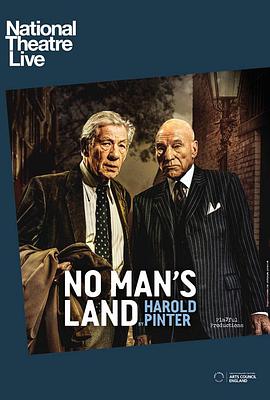
无人之境 [演出] 豆瓣
No Man's Land
8.4 (5 个评分) 类型: theater 编剧: Harold Pinter
其它标题: No Man's Land / 无人之地 导演: Peter Hall / David Leveaux 演员: John Gielgud / Ralph Richardson / Michael Kitchen / Terence Rigby / Paul Eddington
The first act opens with Hirst's offering a drink to Spooner: "As it is?" – that is, neat (UK) or straight (U.S.) – and Spooner's reply: "As it is, yes please, absolutely as it is" (15). During the first act, Spooner claims to be a fellow poet and to have known his more illustrious literary host and mutual acquaintances and relationships in the past. Toward the end of act one, Hirst's keepers (quasi-body guards) "vagabond cock" Foster and Briggs seek to fend off the self-insinuating Spooner, leading Hirst "out of the room (52) and away from him. The act ends with a "Blackout" – visually demonstrating Foster's taunt: "Listen. You know what it's like when you're in a room with the light on and then suddenly the light goes out? I'll show you. It's like this. ... He turns the light out" (53).
During Act Two, in his increasingly inebriated state, Hirst may mistake or feign recognition of Spooner as an Oxbridge classmate from the 1930s, an apparently false impression which Spooner nevertheless encourages (68–78), leading both of them into a series of increasingly questionable reminiscences, which Hirst finally and abruptly undercuts: "This is outrageous! Who are you? What are you doing in my house?" going on to accuse Spooner of being an impostor: "You are clearly a lout. The Charles Wetherby I knew was a gentleman. I see a figure reduced. I am sorry for you. Where is the moral ardour that sustained you once? Gone down the hatch." – allusively and both wistfully and comically combining the clichés "Gone with the wind" and "Down the hatch," after which, Briggs "enters, pours whisky and soda, gives it to" Hirst, who "looks at it" and then says, "Down the hatch. Right down the hatch. (He drinks.)" (78). Hirst proclaims, "Let us change the subject. Pause. For the last time." (91), but immediately asks, "What have I said?" That leads the characters to debate what Hirst's phrase for the last time precisely "means" (91–94), leaving all of them, according to Spooner, "in no man's land. Which never moves, which never changes, which never grows older, but which remains forever icy and silent." Following the illustrative "Silence", Hirst utters the play's final words and provides its final action: "I'll drink to that" (95): "He drinks," paralleling the opening words of the first act ("As it comes?"), and the play ends, ambiguously, with a "SLOW FADE" of lights (95).
Betrayal [演出] 豆瓣
类型: theater 编剧: Harold Pinter
导演: Peter Hall / Trevor Nunn 演员: Penelope Wilton / Michael Gambon / Daniel Massey / Artro Morris / Raul Julia
The years between 1968 and 1977 occur in reverse order; scenes within years 1977 and 1973 move forward.
1977
Scene One: Pub. 1977. Spring.
Emma and Jerry meet for the first time in two years. For 7 years they had an affair and a secret flat, and Jerry says no-one else knew. Now Emma is having an affair with Casey, an author whose agent is Jerry and whose publisher is Robert, Emma’s husband. Emma says she found out last night that Robert has betrayed her with other women for years, and admits she revealed her affair with Jerry.
Scene Two: Jerry's House. Later the same day.
Jerry meets Robert to talk about the affair. Robert reveals that in fact he learned about it 4 years ago. Since then their friendship has continued, albeit without playing squash.
1975
Scene Three: Flat. 1975. Winter.
It is the end of Jerry and Emma’s affair. They rarely meet, and Emma’s hopes that the flat would be a different kind of home are unfulfilled. They agree to give it up.
1974
Scene Four: Robert and Emma's House. Living room. 1974. Autumn.
Jerry visits Robert and Emma at home. He reveals that Casey has left his wife and is living nearby. Jerry and Robert plan to play squash, but Jerry reveals that first he is visiting New York with Casey.
1973
Scene Five: Hotel Room. 1973. Summer.
Robert and Emma are on holiday, intending to visit Torcello tomorrow. Emma is reading a book by Spinks, another author whose agent is Jerry. Robert says he refused to publish it because there is not much more to say about betrayal. Robert has discovered that Emma has received a private letter from Jerry. Emma admits they are having an affair.
Scene Six: Flat. 1973. Summer.
Emma has returned from the holiday with Robert in Venice. She has bought a tablecloth for the flat. Jerry reveals that despite the affair he continues to lunch with Robert.
Scene Seven: Restaurant. 1973. Summer.
Robert gets drunk over lunch with Jerry. He says he hates modern novels, and that he went to Torcello on his own and read Yeats.
1971
Scene Eight: Flat. 1971. Summer.
Emma wants to know whether Jerry’s wife suspects his affair, and announces that while Jerry was in America she became pregnant with Robert’s child.
1968
Scene Nine: Robert and Emma's House. Bedroom. 1968. Winter.
During a party Jerry surprises Emma in her bedroom and declares his love for her. He tells Robert he is his oldest friend as well as his best man.
生日晚会 [演出] 豆瓣
The Birthday Party
类型: theater 编剧: Harold Pinter
其它标题: The Birthday Party 导演: Peter Wood / Alan Schneider 演员: Richard Pearson / John Slater / Beatrix Lehmann / Willoughby Gray / John Stratton


在他的成名作《生日晚会》里,品特以卡夫卡式的方法,描述一个人莫名其妙地受到两个陌生人的诱骗和威胁,他试图逃跑,但还是被跟踪;剧中的荒诞性从隐喻一下子跳跃到了具体,好像任何人在任何地方都得不到安全。正如哈罗得·霍布森所说:“虽然你到了地球最远的地方,在最不受人注意的小镇藏在最隐蔽的住处,但终有一天可能出现两个陌生人。他们在找你,你无论如何是逃不掉的。而某个人也在寻找他们。到处都充满了恐怖。”因此,品特的剧作充满了政治的寓意,表现了对社会现实的焦虑。

浪荡同心 (1985) [电影] 豆瓣
Turtle Diary
导演: 约翰·伊文 演员: 格兰达·杰克逊 / 本·金斯利
其它标题: Turtle Diary / 海龟日记
Two lonely Londoners - Neaera Duncan, a children's author (Glenda Jackson), and William Snow, a bookstore assistant (Ben Kingsley) - find common ground when visiting the sea turtles at London Zoo; independently of each other, both perceive that the turtles are unnaturally confined, and they hatch a plan with the assistance of zookeeper George Fairbairn (Michael Gambon) to smuggle them out and release them into the sea, which they ultimately succeed in accomplishing. Their release of the turtles represents metaphorically their release of themselves from their own inhibitions.
风景 (1983) [电影] IMDb 豆瓣
Landscape
导演: Kenneth Ives 演员: 科林·布莱克利 / 多萝西·图汀
其它标题: Landscape
'Landscape is a one-act play by Harold Pinter that was first broadcast on radio in 1968 and first performed on stage in 1969. The play shows the difficulties of communication between two people in a marriage. The two characters appear to be talking to one another, though neither seems to hear the other. The dialogue often resembles two independent monologues. The play marked a change in Pinter's style, with echoes of the work of Samuel Beckett.' - BFI