Sonja Lyubomirsky — 作者 (6)
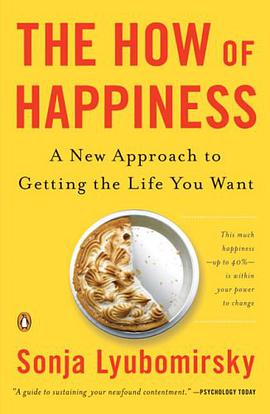
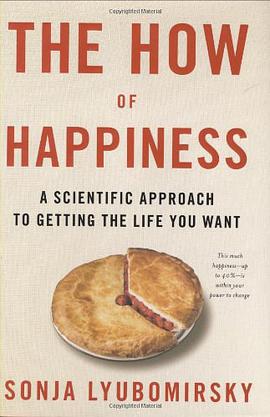
The How of Happiness [图书] 豆瓣
A groundbreaking, practical guide to attaining happiness based on innovative scientific research, The How of Happiness is a powerful contribution to the field of positive psychology and a gift to people who have sought to take their happiness into their own hands. Drawing upon years of her own pioneering research with thousands of men and women, psychologist Sonja Lyubomirsky reveals that much of our capacity for happiness is within our power. Detailing an easy-to- follow plan, including exercises in new ways of thinking and understanding our individual obstacles, The How of Happiness offers a positive and empowering way to sustain a new level of joy in our lives.
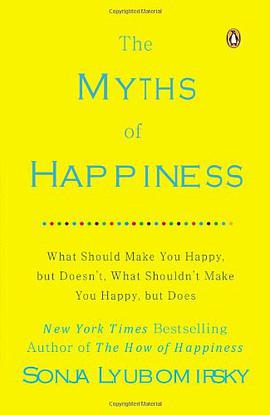
The Myths of Happiness [图书] 豆瓣
Happiness expert Sonja Lyubomirsky’s research-based lessons in how to find opportunity in life’s thorniest moments
In The Myths of Happiness , Sonja Lyubomirsky isolates the major turning points of adult life, looking to both achievements (marriage, children, professional satisfaction, wealth) and failures (singlehood, divorce, financial ruin, illness) to reveal that our misconceptions about the impact of such events is perhaps the greatest threat to our long-term well-being.
Lyubomirsky argues that we have been given false promises—myths that assure us that lifelong happiness will be attained once we hit the culturally confirmed markers of adult success. This restricted view of happiness works to discourage us from recognizing the upside of any negative life turn and blocks us from recognizing our own growth potential. Our outsized expectations transform natural rites of passage into emotional land mines and steer us to make toxic decisions, as The Myths of Happiness reveals.
Because we expect the best (or the worst) from life’s turning points, we shortsightedly place too much weight on our initial emotional responses. The Myths of Happiness empowers readers to look beyond their first response, sharing scientific evidence that often it is our mindset—not our circumstances—that matters. Central to these findings is the notion of hedonic adaptation, the fact that people are far more adaptable than they think. Even after a major life change—good or bad—we tend to return to our initial happiness level, forgetting what once made us elated or why we felt that life was so unbearable. The Myths of Happiness offers the perspective we need to make wiser choices, sharing how to slow the effects of this adaptation after a positive turn and find the way forward in a time of darkness.
In The Myths of Happiness , Sonja Lyubomirsky turns an empirical eye to the biggest, messiest moments, providing readers with the clear-eyed vision they need to build the healthiest, most satisfying life. A corrective course on happiness and a call to regard life’s twists and turns with a more open mind, The Myths of Happiness shares practical lessons with life-changing potential.
In The Myths of Happiness , Sonja Lyubomirsky isolates the major turning points of adult life, looking to both achievements (marriage, children, professional satisfaction, wealth) and failures (singlehood, divorce, financial ruin, illness) to reveal that our misconceptions about the impact of such events is perhaps the greatest threat to our long-term well-being.
Lyubomirsky argues that we have been given false promises—myths that assure us that lifelong happiness will be attained once we hit the culturally confirmed markers of adult success. This restricted view of happiness works to discourage us from recognizing the upside of any negative life turn and blocks us from recognizing our own growth potential. Our outsized expectations transform natural rites of passage into emotional land mines and steer us to make toxic decisions, as The Myths of Happiness reveals.
Because we expect the best (or the worst) from life’s turning points, we shortsightedly place too much weight on our initial emotional responses. The Myths of Happiness empowers readers to look beyond their first response, sharing scientific evidence that often it is our mindset—not our circumstances—that matters. Central to these findings is the notion of hedonic adaptation, the fact that people are far more adaptable than they think. Even after a major life change—good or bad—we tend to return to our initial happiness level, forgetting what once made us elated or why we felt that life was so unbearable. The Myths of Happiness offers the perspective we need to make wiser choices, sharing how to slow the effects of this adaptation after a positive turn and find the way forward in a time of darkness.
In The Myths of Happiness , Sonja Lyubomirsky turns an empirical eye to the biggest, messiest moments, providing readers with the clear-eyed vision they need to build the healthiest, most satisfying life. A corrective course on happiness and a call to regard life’s twists and turns with a more open mind, The Myths of Happiness shares practical lessons with life-changing potential.
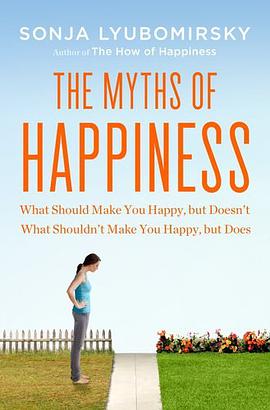
The Myths of Happiness [图书] 豆瓣 谷歌图书
The bestselling author of The How of Happiness reveals how to find opportunity in life’s thorniest moments
Focusing on life’s biggest, messiest moments, Sonja Lyubomirsky provides readers with the clear-eyed vision they need to build the healthiest, most satisfying life. Lyubomirsky argues that we have been given false promises—myths that assure us that lifelong happiness will be attained once we hit the culturally confirmed markers of adult success. This black-and-white vision of happiness works to discourage us from recognizing the upside of any negative and limits our potential for personal growth. A corrective course on happiness and a call to regard life’s twists and turns with a more open mind, The Myths of Happiness shares practical lessons that prove we are more adaptable than we think we are. It empowers readers to look beyond their first response, sharing scientific evidence that often it is our mindset—not our circumstances—that matters most.
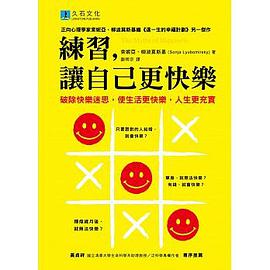
練習,讓自己更快樂 [图书] 豆瓣
The Myths of Happiness
正向心理學家索妮亞‧柳波莫斯基繼《這一生的幸福計劃》另一傑作
破除傳統,打破迷思,透過練習,構築更幸福的人生!
綜合心理學研究成果,讓讀者可以更科學地過快樂的生活!
「只要__(請自行填入空格),我就會快樂。」
「當__(請自行填入空格),我就無法快樂。」
我們相信,如果現在不快樂,當理想的工作或Mr. Right出現、有錢、有房子或有小孩,就會讓我們快樂。當我們實現這些目標,卻沒有獲得預期的快樂時,會覺得自身可能出了什麼問題,或者以為只有自己才會有種感覺。相反的,當不幸降臨,例如失戀、離婚或失業、健康出問題,我們常常過度反應,覺得自己將無法重展笑顏,以為這輩子已經完了。
作者運用最新的心理研究成果,證明許多人對快樂會有迷思,這些迷思會帶給我們不良後果,因此作者試圖一一打破這些迷思,並試圖引領讀者找到更快樂的方法。
本書使讀者能超越直覺反應的侷限,並明確告訴讀者,我們的心態比我們的境遇來得重要。這些研究中最重要的是「享樂適應」的概念,也就是人們的適應能力遠較自己所想的來得強。即使經歷一個重大的人生改變(無論好壞),我們往往會回到之前的快樂水準,忘了是什麼讓我們高興,或者為何會覺得生活如此難受。
本書涵蓋十種不同的成人危機,從人際關係(結婚、單身、生子)開始,接著談金錢與工作(工作問題、富有、破產),最後是存在於中年以後的問題(健康議題、老化、遺憾)。
只要跟對的人結婚,就會快樂?
婚姻破碎,就無法快樂?
只要有小孩,就會快樂?
單身,就無法快樂?
找對工作,就會快樂?
破產,就無法快樂?
有錢,就會快樂?
健康出狀況,就無法快樂?
夢想破滅後,就無法快樂?
輝煌歲月後,就無法快樂?
所有人都會遇到本書所描述的大部分特定挑戰或人生轉折,在這當中可能描寫出我們昨日、今日或明日的部分模樣。隨著年齡增長,責任與失去的事物逐漸累積,人生變得更加複雜、更具挑戰性,有時候則令人更加困惑。在事情接踵而來之前,花時間仔細檢視我們人生的主要過程和標準,以及了解什麼會激起我們的反應,這對我們是有益的。
透過本書提供的方案和良方,例如如何減緩適應、對抗逆境、追求新的目標、成長和成功等,每個人都能選擇邁向更充實的生活,並幫助自己過得更快樂與幸福。
提升快樂的六大心法:
1.心懷感激
2.自省,並且樂觀積極
3.常施善行
4.追求自己的生活和事業
5.肯定自己的價值和努力
6.盡情享受快樂時光
破除傳統,打破迷思,透過練習,構築更幸福的人生!
綜合心理學研究成果,讓讀者可以更科學地過快樂的生活!
「只要__(請自行填入空格),我就會快樂。」
「當__(請自行填入空格),我就無法快樂。」
我們相信,如果現在不快樂,當理想的工作或Mr. Right出現、有錢、有房子或有小孩,就會讓我們快樂。當我們實現這些目標,卻沒有獲得預期的快樂時,會覺得自身可能出了什麼問題,或者以為只有自己才會有種感覺。相反的,當不幸降臨,例如失戀、離婚或失業、健康出問題,我們常常過度反應,覺得自己將無法重展笑顏,以為這輩子已經完了。
作者運用最新的心理研究成果,證明許多人對快樂會有迷思,這些迷思會帶給我們不良後果,因此作者試圖一一打破這些迷思,並試圖引領讀者找到更快樂的方法。
本書使讀者能超越直覺反應的侷限,並明確告訴讀者,我們的心態比我們的境遇來得重要。這些研究中最重要的是「享樂適應」的概念,也就是人們的適應能力遠較自己所想的來得強。即使經歷一個重大的人生改變(無論好壞),我們往往會回到之前的快樂水準,忘了是什麼讓我們高興,或者為何會覺得生活如此難受。
本書涵蓋十種不同的成人危機,從人際關係(結婚、單身、生子)開始,接著談金錢與工作(工作問題、富有、破產),最後是存在於中年以後的問題(健康議題、老化、遺憾)。
只要跟對的人結婚,就會快樂?
婚姻破碎,就無法快樂?
只要有小孩,就會快樂?
單身,就無法快樂?
找對工作,就會快樂?
破產,就無法快樂?
有錢,就會快樂?
健康出狀況,就無法快樂?
夢想破滅後,就無法快樂?
輝煌歲月後,就無法快樂?
所有人都會遇到本書所描述的大部分特定挑戰或人生轉折,在這當中可能描寫出我們昨日、今日或明日的部分模樣。隨著年齡增長,責任與失去的事物逐漸累積,人生變得更加複雜、更具挑戰性,有時候則令人更加困惑。在事情接踵而來之前,花時間仔細檢視我們人生的主要過程和標準,以及了解什麼會激起我們的反應,這對我們是有益的。
透過本書提供的方案和良方,例如如何減緩適應、對抗逆境、追求新的目標、成長和成功等,每個人都能選擇邁向更充實的生活,並幫助自己過得更快樂與幸福。
提升快樂的六大心法:
1.心懷感激
2.自省,並且樂觀積極
3.常施善行
4.追求自己的生活和事業
5.肯定自己的價值和努力
6.盡情享受快樂時光
The How of Happiness [图书] 豆瓣
“Finally we have a self-help book from a reputable scientist whose advice is based on the best experimental data.”
—Daniel Gilbert, author of Stumbling on Happiness
“Is lasting happiness attainable or a pipe dream? For the last eighteen years, University of California—Riverside professor of psychology Sonja Lyubomirsky has studied this question, and what she reports might even sway pessimists.”
—U.S. News & World Report
“Lyubomirsky’s central point is clear: a significant portion of what is called happiness . . . is up for grabs. Taking some pages out of the positive psychology playbook, she coaches readers on how to snag it.”
—The New York Review of Books
“The right place to look for science-based advice on how to become happier.”
—Martin Seligman, author of Learned Optimism --This text refers to the Paperback edition.
—Daniel Gilbert, author of Stumbling on Happiness
“Is lasting happiness attainable or a pipe dream? For the last eighteen years, University of California—Riverside professor of psychology Sonja Lyubomirsky has studied this question, and what she reports might even sway pessimists.”
—U.S. News & World Report
“Lyubomirsky’s central point is clear: a significant portion of what is called happiness . . . is up for grabs. Taking some pages out of the positive psychology playbook, she coaches readers on how to snag it.”
—The New York Review of Books
“The right place to look for science-based advice on how to become happier.”
—Martin Seligman, author of Learned Optimism --This text refers to the Paperback edition.