mathematics



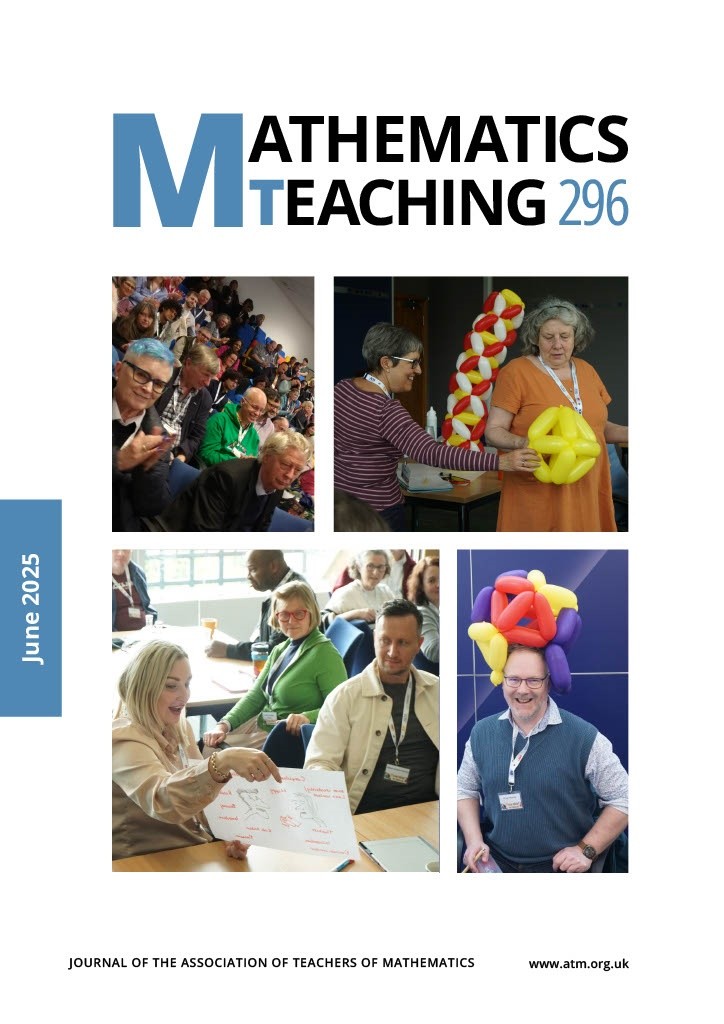
Mathematics Teaching 296 now available online https://atm.org.uk/Mathematics-Teaching-Journal-Archive/177731
Design and cover photographs by me
Four free articles for non-members:
Everyone can think mathematically by Tom Francome
Tom Francome explores ways of developing the mathematical thinking of all students, including low attainers.
https://atm.org.uk/write/MediaUploads/Journals/MT296/02.pdf
Book review Learning with AI by Ian Benson
Ian Benson reviews 'Learning with AI' by Joan Monahan Watson published by Johns Hopkins University Press (296 pages, $24.95)
https://atm.org.uk/write/MediaUploads/Journals/MT296/14.pdf
Book review Breaking images by Pete Wright
Pete Wright reviews ‘Breaking images: Iconoclastic analyses of mathematics and its education’, edited by Brian Greer, David Kollosche, and Ole Skovsmose.
https://atm.org.uk/write/MediaUploads/Journals/MT296/15.pdf
Ole Skovsmose—the man who put the critique in critical mathematics education by Peter Gates
Peter Gates has collated this obituary for Ole Skovmose.
https://atm.org.uk/write/MediaUploads/Journals/MT296/16.pdf
#MathematicsTeaching #iTeachMath #MathEd #MathsEd #Math #Mathematics #education #design #GraphicDesign #atm #MT #MT296 #photography
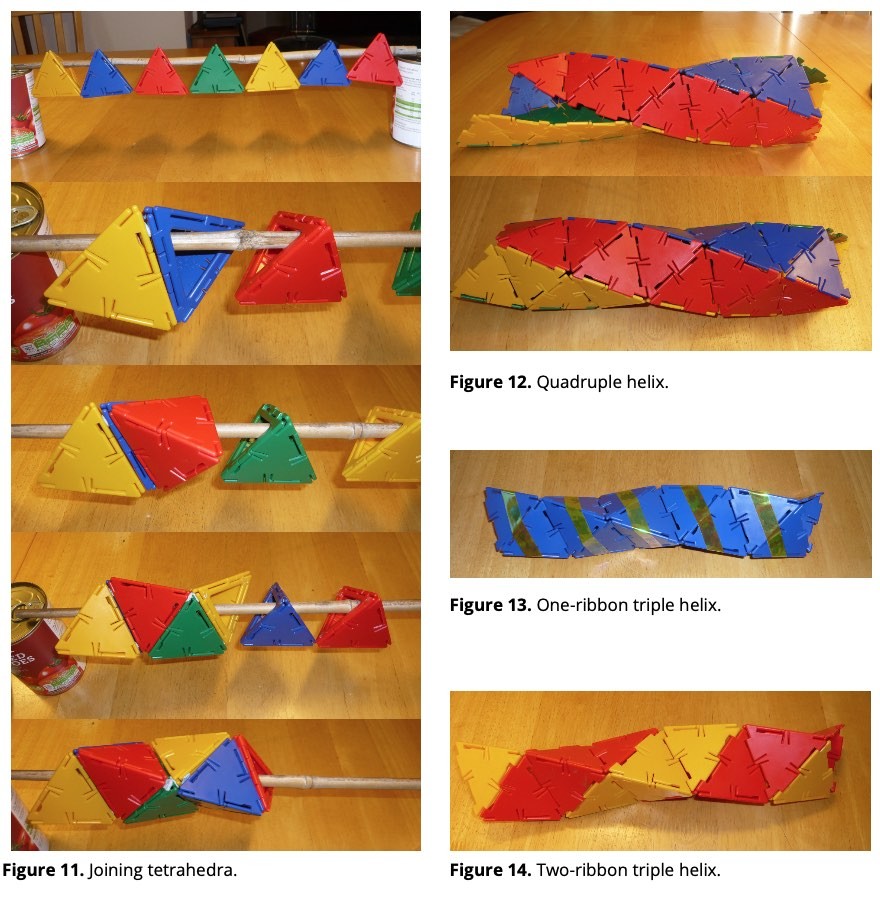
‘Exploring triangles at the Institute of Mathematics Pedagogy (IMP)’
Tandi Clausen-May reflects on an exploration of 3D shapes made from triangles.
https://atm.org.uk/write/MediaUploads/Journals/MT295/03.pdf
One of the two free articles from Mathematics Teaching 295 for non-members.
#geometry #triangle #helix #polydron #MathematicsTeaching #atm #MT #MT295 #iTeachMath #MathEd #Math #Education #mathematics

“The USA Math Olympiad is an extremely challenging math competition for the top US high school students… Hours after it was completed…a team of scientists gave the problems to some of the top large language models, whose mathematical and reasoning abilities have been loudly proclaimed… The results were dismal: None of the AIs scored higher than 5% overall”
—Ernest Davis & Gary Marcus, Reports of LLMs mastering math have been greatly exaggerated
https://garymarcus.substack.com/p/reports-of-llms-mastering-math-have
#mathematics #llms #llm #ai
Mathematics Teaching 297 now available online https://atm.org.uk/Mathematics-Teaching-Journal-Archive/177732
Design by me
Six free articles for non-members:
For the classroom: fractions
Tom Francome offers activities from LUMEN (Loughborough University Mathematics Education Network https://www.lboro.ac.uk/lumen).
https://atm.org.uk/write/MediaUploads/Journals/MT297/08.pdf
Critical mathematics education student teachers’ perspectives
Manjinder K. Jagdev and her student teachers reflect on their experiences of developing critical mathematics education and social justice themes in initial teacher education courses
https://atm.org.uk/write/MediaUploads/Journals/MT297/10.pdf
Awareness of the division of fractions keep your flipping change to yourself!
Sam Brace describes a unit of work that uses learners’ powers of the mind to understand the division of fractions.
https://atm.org.uk/write/MediaUploads/Journals/MT297/11.pdf
Jan Potworowski the quest to humanise mathematics education
George Knights and Lyndon Baker have prepared this tribute to Jan Potworowski.
https://atm.org.uk/write/MediaUploads/Journals/MT297/13.pdf
Julian Williams teacher researcher theorist. 1954–2025
Geoff Wake and Laura Black celebrate Julian Williams’s contribution to mathematics Education.
https://atm.org.uk/write/MediaUploads/Journals/MT297/14.pdf
I want to remember...
In memory of Julian Williams by Laya Hooshyari.
https://atm.org.uk/write/MediaUploads/Journals/MT297/15.pdf
#MathematicsTeaching #iTeachMath #MathEd #MathsEd #Math #Mathematics #teaching #pedagogy #didactics #education #design #GraphicDesign #atm #MT #MT297

https://communitymedia.video/w/rqokDpoYckC42rBoVTd1d1 #archive
#climateCrisis #haiku by @kentpitman
Depressing actual #journalism specific #nz #llm eg (source invidious link as response)
@jns #gopher gopher://gopher.linkerror.com
- gopher://perma.computer
- #warez #history
- #EternalGameEngine
- #unix_surrealism
#lisp #programming
@vnikolov #commonLisp #mathematics #declares
@mdhughes & @dougmerritt @ksaj #automata, in https://gamerplus.org/@screwlisp/115245557313951212


Mathstodon.xyz is a Mastodon server for people who love mathematics. We have LaTeX rendering in the web interface!
This server has a post size of up to 1729 characters, and has been online since 2017.
You can find out more at https://mathstodon.xyz/about or contact the admin @christianp
#FeaturedServer #Mathematics #Maths #Math #Mastodon #Fediverse #FreeFediverse


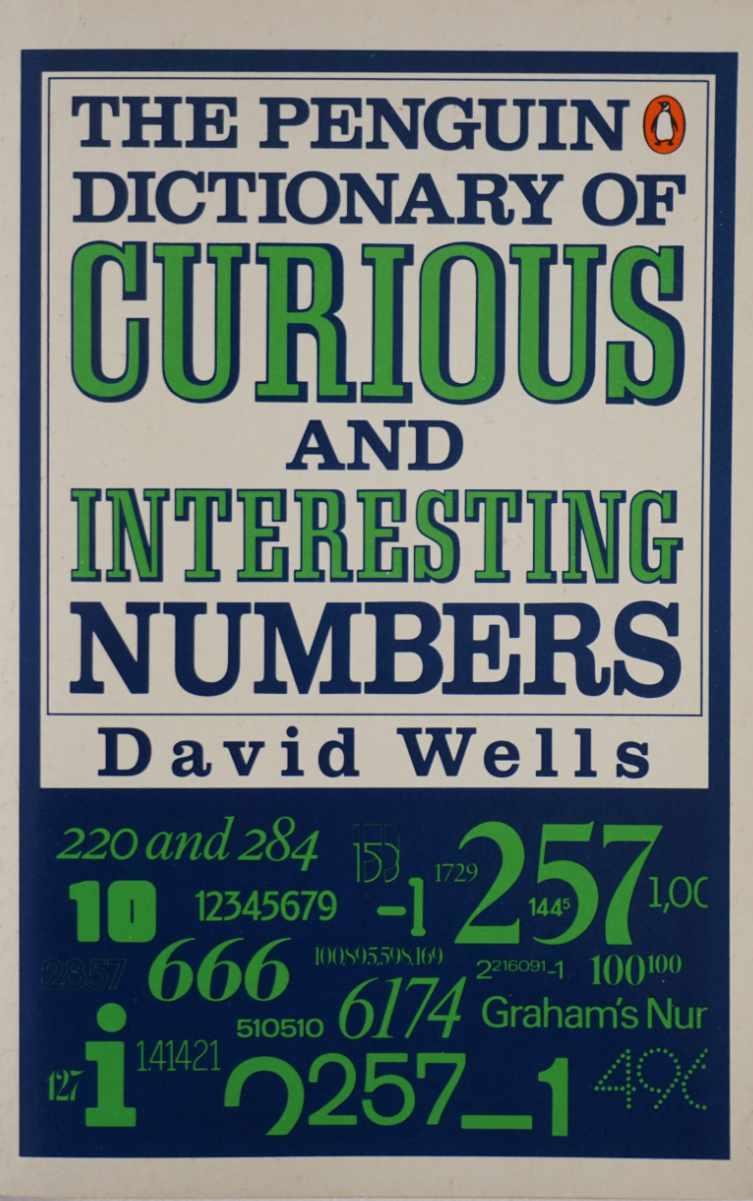
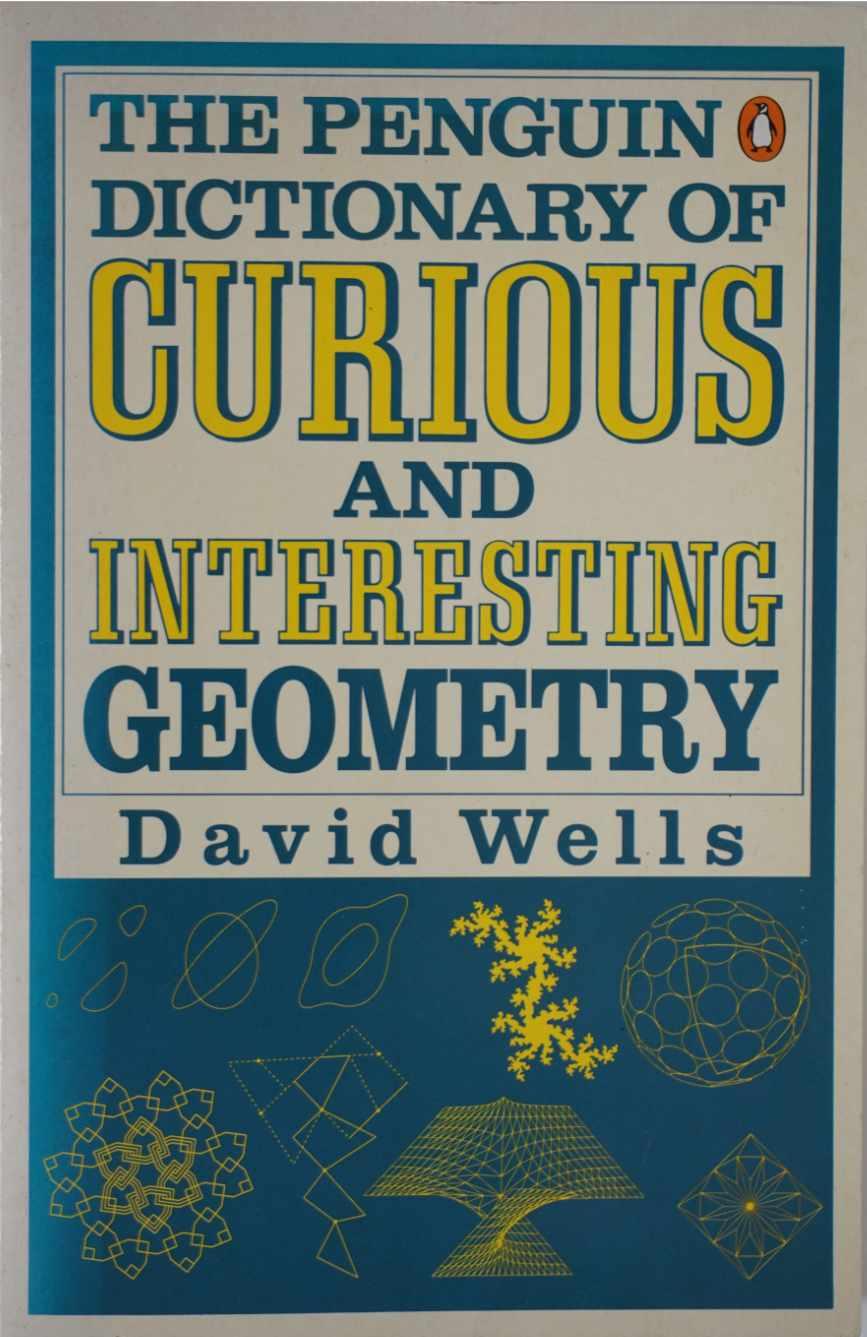
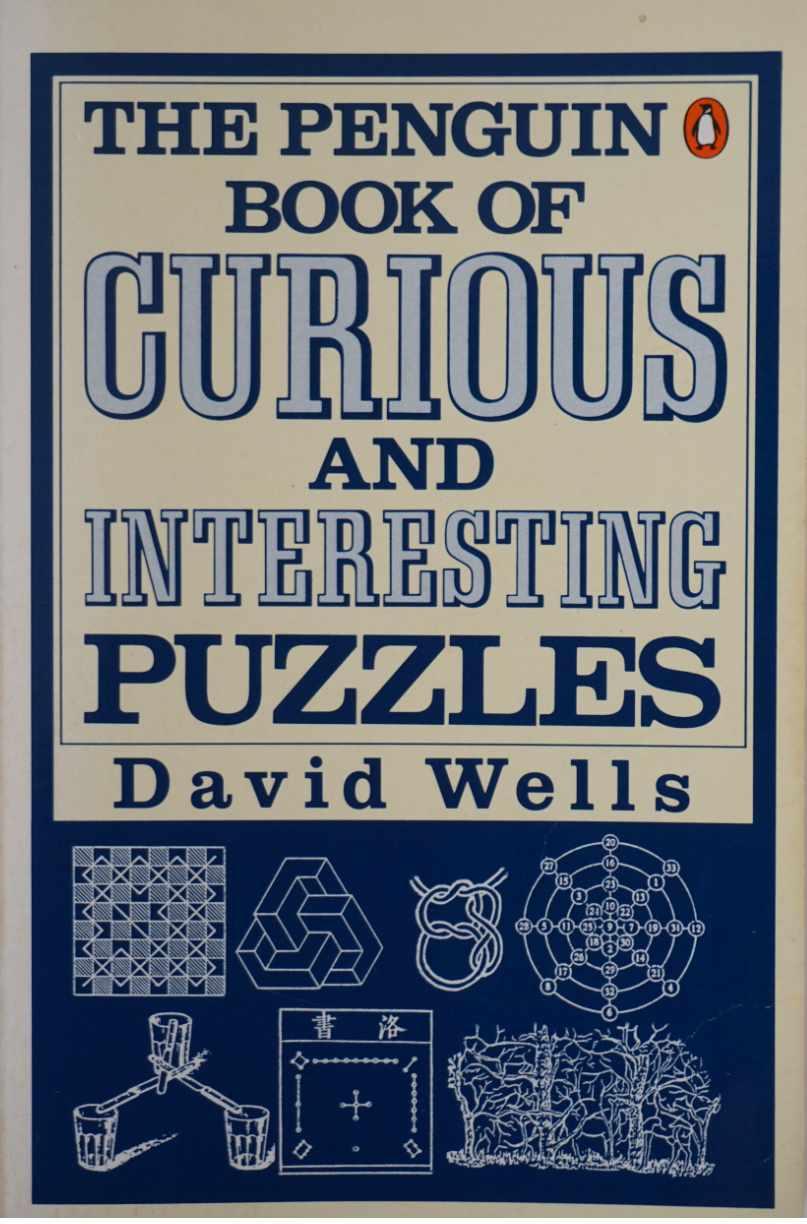
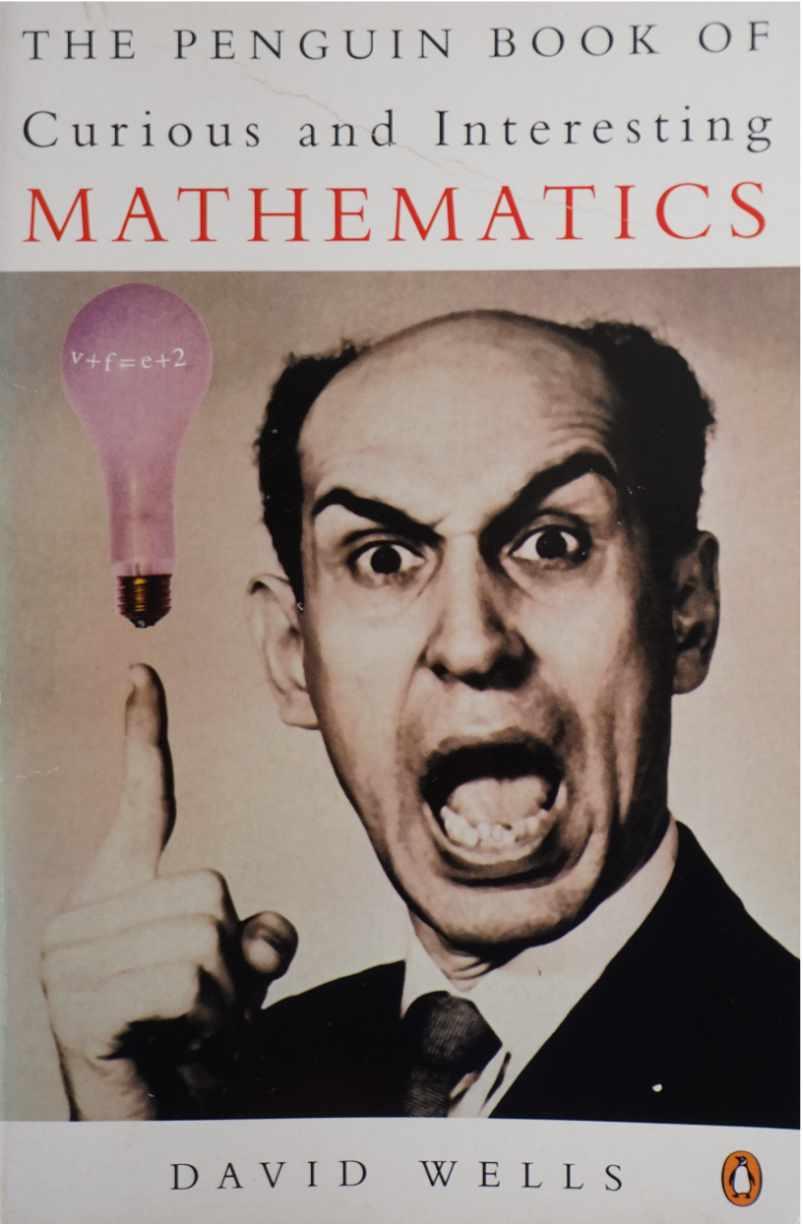
David G. Wells’ “The Penguin dictionary of curious and interesting…” books are excellent and have been great source of inspiration for me.
They are now are almost 30 years old.
What new entries would you put in these books—either because they’re new after publication, or could have (should have) been included at the time?

Getting the whole argument just right is fiddly, but the basic idea is this. You feed some kind of theory into the AM/AS, which is a black box. It churns on this and spits out a result, which is added to the theory (I'm neglecting the case that the result is inconsistent with the theory). It can now churn on theory + result 1. For any given and potentially very large N, after doing this long enough, it's churning on theory + result 1 + result 2 + ... + result N. Whatever it spits out will be dependent in particular on results 1 - N. When N is large enough, unless you know these results you will not be able to understand what it outputs because the output will almost surely depend critically on one or more of results 1 - N. In other words, the output will look like noise to you. If the AM/AS is appreciably faster at producing results than people are at understanding them, there will be an N beyond which no one can understand the output up to that point. It'll become indistinguishable (unable to be distinguished) from random noise.
If you're into software development, this would be analogous to a software system that generates syntactically-correct code and then adds that code as a new call in a growing software library. If you were to run this long enough, virtually all the programs it generated that were short enough for human beings to have any hope of reading and understanding would consist almost entirely of library calls to code generated by the system. You'd have no idea what any of this code did unless you studied the library calls, which you wouldn't be able to do beyond a certain scale. If the system were expanding the library faster than you could read and understand it, there'd be no hope at all.
I'll leave it as an exercise to the reader whether this is a desirable thing to do and whether it's happened yet. I would offer, though, a question to ponder: what reason is there to believe that a random number generator hooked up to an inscrutable interpreter produces human flourishing, for any given meaning of "human flourishing" you care to use?
#tech #dev #mathematics #AutomatedMathematician #AutomatedScientist #AI #GenAI #GenerativeAI #ThoughtExperiment
Mathstodon.xyz is a Mastodon server for people who love maths, and includes LaTeX rendering in the web interface. Maths chat is especially welcome, but any topic of conversation following the code of conduct is OK.
This server has a post size of up to 1729 characters.
You can find out more at https://mathstodon.xyz/about or contact the admin account @christianp
#FeaturedServer #Mathematics #Maths #Math #Mastodon #Fediverse #FreeFediverse