BBC

The Truth About Carbs (2018) IMDb Douban
The Truth About Carbs
8.1 (20 ratings)
director:
Russell England
actor:
Xand van Tulleken
other title:
碳水化合物的真相
/
糖类的真相
As a nation, we love eating carbs, and they are right at the heart of our diet. The problem is that with 63 per cent of UK adults now considered overweight or obese, many experts think that we are eating far too many wrong sorts of carbohydrate.
Xand van Tulleken is a medical doctor and self-professed lover of carbs, to the point where he used to weigh 19 stone. He is keen to discover whether they really are a killer as claimed by many, responsible for record levels of obesity and type 2 diabetes. The film investigates cutting-edge research into the possible link between carb consumption and infertility in both women and men, and looks into whether genetic changes are taking place as we pass our eating habits on to our children.
Xand and a team of volunteers play 'blood sugar bingo' as they attempt to guess how much sugar a selection of common foods each releases into the bloodstream. Xand discovers that looks can be deceiving - a baked potato is the equivalent of a staggering 19 sugar lumps, whereas a large bowl of strawberries is only four. There is also a simple test that anyone can do at home to determine how well they tolerate starchy carbs like rice, pasta and bread. Simply chew a small, unsalted cracker and time how long it takes to change taste in the mouth.
The film then sets out to examine whether it is still possible to eat carbs, but in a way that is much healthier for us. There is a little-known type of carbohydrate called resistant starch; like fibre, it helps keep bowel cancer at bay. But a medical exam reveals that, like most people in the UK, Xand doesn't eat enough of this carb. So how should he go about eating more carbs like fibre and resistant starch?
The programme turns the myth about bread on its head, discovering bakes that are good for us. There is even a way of making white bread healthier by sticking it in the freezer before toasting it - this process turns some of the sugary starch into resistant starch. Scientists have discovered that other starchy carbs like pasta, rice and potatoes can be changed in a very simple way to make them better for us, by cooking and cooling - they become less calorific and vital food for our gut bacteria.
There is a surprise in store for Xand when he heads to the gym with his favourite carb-filled sports drink. He discovers that for exercise lasting less than an hour, there is a very neat trick that fools the brain into thinking that it is going to get carbs, which improves performance. All he has to do is swill the drink and spit it out.
But perhaps most importantly, the programme teams up with a Merseyside GP to trial a healthy-eating plan. Originally devised to help diabetic and obese patients, this plan doesn't count calories but asks participants to be smart with their carbs - swapping 'sugary' carbs for more fibre. The results after just two weeks come as a surprise to Xand and the trial doctors.
Xand van Tulleken is a medical doctor and self-professed lover of carbs, to the point where he used to weigh 19 stone. He is keen to discover whether they really are a killer as claimed by many, responsible for record levels of obesity and type 2 diabetes. The film investigates cutting-edge research into the possible link between carb consumption and infertility in both women and men, and looks into whether genetic changes are taking place as we pass our eating habits on to our children.
Xand and a team of volunteers play 'blood sugar bingo' as they attempt to guess how much sugar a selection of common foods each releases into the bloodstream. Xand discovers that looks can be deceiving - a baked potato is the equivalent of a staggering 19 sugar lumps, whereas a large bowl of strawberries is only four. There is also a simple test that anyone can do at home to determine how well they tolerate starchy carbs like rice, pasta and bread. Simply chew a small, unsalted cracker and time how long it takes to change taste in the mouth.
The film then sets out to examine whether it is still possible to eat carbs, but in a way that is much healthier for us. There is a little-known type of carbohydrate called resistant starch; like fibre, it helps keep bowel cancer at bay. But a medical exam reveals that, like most people in the UK, Xand doesn't eat enough of this carb. So how should he go about eating more carbs like fibre and resistant starch?
The programme turns the myth about bread on its head, discovering bakes that are good for us. There is even a way of making white bread healthier by sticking it in the freezer before toasting it - this process turns some of the sugary starch into resistant starch. Scientists have discovered that other starchy carbs like pasta, rice and potatoes can be changed in a very simple way to make them better for us, by cooking and cooling - they become less calorific and vital food for our gut bacteria.
There is a surprise in store for Xand when he heads to the gym with his favourite carb-filled sports drink. He discovers that for exercise lasting less than an hour, there is a very neat trick that fools the brain into thinking that it is going to get carbs, which improves performance. All he has to do is swill the drink and spit it out.
But perhaps most importantly, the programme teams up with a Merseyside GP to trial a healthy-eating plan. Originally devised to help diabetic and obese patients, this plan doesn't count calories but asks participants to be smart with their carbs - swapping 'sugary' carbs for more fibre. The results after just two weeks come as a surprise to Xand and the trial doctors.
Royal Cousins at War (2014) Douban
Royal Cousins at War
director:
Richard Sanders
actor:
Tamsin Greig
在第一次世界大战爆发之际,三位皇亲各自统治着欧洲的强大势力:沙俄帝国的沙皇尼古拉斯二世,德国的德皇威廉二世,以及英王乔治五世。这部两集纪录片系列检索了这三位君主在一战爆发中所起到的角色以及战争开始之际他们之间的关系;提论这些元素的影响要比以往的历史学家们所认识的要大的多。
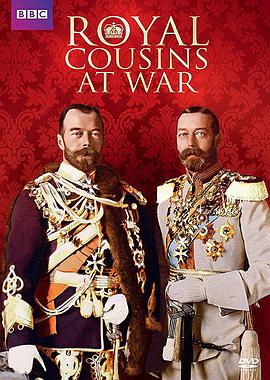
At the outbreak of the First World War three cousins reigned over Europe's greatest powers - Tsar Nicholas II of Russia, Kaiser Wilhelm II of Germany and King George V of England. This two-part series looks at the role played by the three monarchs, and their relationships with each other, in the outbreak of war, arguing that it is far greater than historians have traditionally believed.
At the outbreak of the First World War three cousins reigned over Europe's greatest powers - Tsar Nicholas II of Russia, Kaiser Wilhelm II of Germany and King George V of England. This two-part series looks at the role played by the three monarchs, and their relationships with each other, in the outbreak of war, arguing that it is far greater than historians have traditionally believed.
The Birth of Israel (2008) Douban
The Birth of Israel
6.8 (5 ratings)
director:
Jeremy Bowen
actor:
杰瑞米·鲍文
/
阿道夫·希特勒 Adolf Hitler
…
other title:
以色列的诞生
BBC纪录片,带领我们回顾以色列这个国家的诞生,分析了1949年引发以色列独立战争的事件,以及对阿拉伯、中东关系的影响。本片用一个小时的时间简要向我们分析了当今中东问题的历史根源。
History, Sociopolitical Documentary hosted by Jeremy Bowen and published by BBC in 2008 - English narration
Jeremy Bowen presents a look back at the creation of the state of Israel, examining the the events leading up to the Israeli war of Independence in 1949, its impact on Arab/Israeli relations and the implications for the Middle East.
This description doesn't do this documentary justice. It's a one hour crash course in some of the underlying causes of the current problems in the Middle East.
History, Sociopolitical Documentary hosted by Jeremy Bowen and published by BBC in 2008 - English narration
Jeremy Bowen presents a look back at the creation of the state of Israel, examining the the events leading up to the Israeli war of Independence in 1949, its impact on Arab/Israeli relations and the implications for the Middle East.
This description doesn't do this documentary justice. It's a one hour crash course in some of the underlying causes of the current problems in the Middle East.
艺术爱好者指南 第一季 (2017) Douban
An Art Lovers' Guide Season 1 part of TV Series: 艺术爱好者指南
7.7 (6 ratings)
director:
Colin Rothbart
actor:
Janina Ramirez
/
阿拉斯泰尔·苏克 Alastair Sooke
With sumptuous palaces, exquisite artworks and stunning architecture, every great city offers a dizzying multitude of cultural highlights. So what should an art lover see on a flying visit?
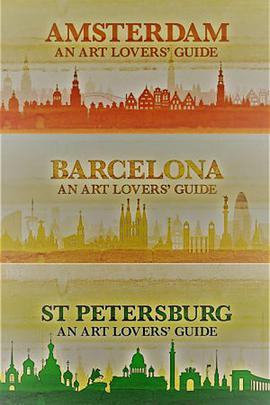
Art historians Dr Janina Ramirez and Alastair Sooke take us on three entertaining and revealing cultural city breaks, offering surprising new insights into famous locations and uncovering hidden gems and untold stories, as they discover how religion, revolution and trailblazing individuals can shape the art - and soul - of a city.
Art historians Dr Janina Ramirez and Alastair Sooke take us on three entertaining and revealing cultural city breaks, offering surprising new insights into famous locations and uncovering hidden gems and untold stories, as they discover how religion, revolution and trailblazing individuals can shape the art - and soul - of a city.
The Spice Trail (2011) Douban
The Spice Trail
8.5 (11 ratings)
actor:
凯特·亨布尔
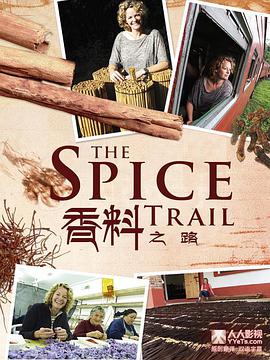
本部纪录片由美女主持人凯特·翰博尔带我们踏上这令人“神魂颠倒”的香料之旅。此次发现之旅,将解答香料是如何塑造出现代世界的。主持人凯特将到访香料的一些异域发源地,并且走遍全球去发现这些香料是如何走上我们餐桌的。凯特将访问一些以香料为生的人们,并跟随最早的那批香料探索者们的脚步,向我们娓娓道来香料背后的故事。共分三集:第一集胡椒和肉桂,第二集肉豆蔻与丁香,第三集香草与藏红花。我们喜爱的佳肴中充斥着这些异国的配料,香料对饮食起到了变革作用,如今香料可在每个厨房的橱柜中找到,但是当年寻找这些美妙香味的过程,改变了历史的发展轨迹。
你知道,整个世界都爱香料。
你知道,整个世界都爱香料。
Conquistadors (2000) Douban
Conquistadors
director:
David Wallace
actor:
迈克尔·伍德
/
约翰·科里
【内容简介】:
《征服者》是英国BBC与美国PBS两大电视台耗巨资联合制作的一套四集历史纪录片,讲述的是15~17世纪西班牙探险家们为了追逐黄金梦,探索并摧毁美洲古代文明的故事。在影片中,主持人将带领观众沿着当年西班牙冒险家的探险之路重游故地,再现那段历程中的各种场景和事件。
第一集:阿兹特克的陷落
16世纪初,称雄美洲三百余年的大帝国阿兹特克在一小撮西班牙雇佣军和其他美洲土著部落的联合进攻下灰飞烟灭。此一悲剧的发生皆源于一个西班牙大赌徒对梦想的追求、对宗教的热忱、和对财富的贪婪……
第二集:征服印加
在考特斯征服阿兹台克之后不久,又一重大的征服事件发生在南美安第斯山脉之中。这一次的牺牲品是印加帝国及其皇帝阿塔瓦尔帕。本集借着重走当年西班牙殖民者的进攻路线,讲述了贪婪的西班牙人是如何凭着火枪利剑和背信弃义征服这个山地帝国的,以及当地的人民是如何为了维护自身的独立自由和文化传统而英勇反抗外来侵略的。
第三集:寻找黄金国
本集讲述了印加帝国崩溃后,贪婪无厌的西班牙征服者为了寻找并征服传说中的黄金国而发现世界第一大河——亚马逊河的故事。这是一个交织着贪婪与牺牲、仇恨与勇气的故事。它既描写了不同文明之间的首次接触与对话,又展示了欧洲文明带给美洲这片宁静土地的巨大后遗症。整个发现过程如同一曲跌宕起伏、宏伟壮丽的交响乐,令人陶醉期间,又难以忘怀。
第四集:四海之内皆兄弟
本集讲述了另一种性质的征服故事。它不是要征服帝国或大自然,而是要征服存在于人与人之间的偏见和歧视。本集的主角卡贝萨·德·瓦卡在一次失败了的征服探险中由于得到当地印第安人的救助而幸免于死。为了返回自己的同胞中间,他与其他三个西班牙幸存者一起,徒步穿越美洲大陆,行程长达二千多英里。一路之上他们经历了各种磨难,也与当地的印第安人结下了深厚的情谊。在这一过程中,他的思想发生了根本性的转变。他不再是自负满满的征服者,而成为将印第安人视同自己兄弟、尊重他们的独立价值并维护他们权益的第一人。他的转变令他在同胞中间遭到排斥,郁郁而终。但是,他的事业并没有就此终结。印第安人的悲惨境遇终于触及人类的理性和良知,促使他们反省自己的罪恶,并且开始为着实现全人类的兄弟之爱而不懈奋斗。
转自夏末秋字幕组
《征服者》是英国BBC与美国PBS两大电视台耗巨资联合制作的一套四集历史纪录片,讲述的是15~17世纪西班牙探险家们为了追逐黄金梦,探索并摧毁美洲古代文明的故事。在影片中,主持人将带领观众沿着当年西班牙冒险家的探险之路重游故地,再现那段历程中的各种场景和事件。
第一集:阿兹特克的陷落
16世纪初,称雄美洲三百余年的大帝国阿兹特克在一小撮西班牙雇佣军和其他美洲土著部落的联合进攻下灰飞烟灭。此一悲剧的发生皆源于一个西班牙大赌徒对梦想的追求、对宗教的热忱、和对财富的贪婪……
第二集:征服印加
在考特斯征服阿兹台克之后不久,又一重大的征服事件发生在南美安第斯山脉之中。这一次的牺牲品是印加帝国及其皇帝阿塔瓦尔帕。本集借着重走当年西班牙殖民者的进攻路线,讲述了贪婪的西班牙人是如何凭着火枪利剑和背信弃义征服这个山地帝国的,以及当地的人民是如何为了维护自身的独立自由和文化传统而英勇反抗外来侵略的。
第三集:寻找黄金国
本集讲述了印加帝国崩溃后,贪婪无厌的西班牙征服者为了寻找并征服传说中的黄金国而发现世界第一大河——亚马逊河的故事。这是一个交织着贪婪与牺牲、仇恨与勇气的故事。它既描写了不同文明之间的首次接触与对话,又展示了欧洲文明带给美洲这片宁静土地的巨大后遗症。整个发现过程如同一曲跌宕起伏、宏伟壮丽的交响乐,令人陶醉期间,又难以忘怀。
第四集:四海之内皆兄弟
本集讲述了另一种性质的征服故事。它不是要征服帝国或大自然,而是要征服存在于人与人之间的偏见和歧视。本集的主角卡贝萨·德·瓦卡在一次失败了的征服探险中由于得到当地印第安人的救助而幸免于死。为了返回自己的同胞中间,他与其他三个西班牙幸存者一起,徒步穿越美洲大陆,行程长达二千多英里。一路之上他们经历了各种磨难,也与当地的印第安人结下了深厚的情谊。在这一过程中,他的思想发生了根本性的转变。他不再是自负满满的征服者,而成为将印第安人视同自己兄弟、尊重他们的独立价值并维护他们权益的第一人。他的转变令他在同胞中间遭到排斥,郁郁而终。但是,他的事业并没有就此终结。印第安人的悲惨境遇终于触及人类的理性和良知,促使他们反省自己的罪恶,并且开始为着实现全人类的兄弟之爱而不懈奋斗。
转自夏末秋字幕组

The Impressionists: Painting and Revolution (The Impressionists - Painting and Revolution) (2011) TMDB Douban
The Impressionists - Painting and Revolution Season 1 part of TV Series: The Impressionists: Painting and Revolution
9.6 (22 ratings)
director:
Susan Doyon
actor:
瓦尔德马·雅努茨扎克
Gang of Four
Episode 1 of 4
Duration: 1 hour
Art writer Waldemar Januszczak explores the revolutionary achievements of the Impressionists. In the first episode, Waldemar delves into the back stories of four of the most influential Impressionists - Pissarro, Monet, Renoir and Bazille - who together laid the foundations of the artistic movement. He finds out what social and cultural influences drove them to their style of painting, how they were united and how ultimately they challenged and changed art forever.
Waldemar journeys from the shores of the West Indies, to the progressive city of Paris to the suburbs of South London, where these four artists drew inspiration from the cities and towns in which they lived. Whether it be the infamous spot on the river Seine - La Grenouillere - where Monet and Renoir beautifully captured animated people, iridescent light and undulating water or the minimalist, non-sensationalised illustrations of Pissarro's coarse countryside paintings, Waldemar discovers how the Impressionists broke conventions by depicting every day encounters within the unpredictable and ever changing sights around them.
------
Painting outdoors
Episode 2 of 4
Duration: 1 hour
Waldemar Januszczak continues his investigation of the Impressionists by taking us outdoors to their most famous locations. Although Impressionist pictures often look sunny and relaxed, achieving this peaceful air was hard work. Trudging through fog, wind and rain, across treacherous coastal rocks and knee-deep snow, Waldemar shows how the famous spontaneity of the Impressionists is thoroughly misleading.
This episode visits the French riverside locations that Monet loved to paint, and where Renoir captured the bonhomie of modern life. Waldemar also introduces a number of technical and practical developments of the age which completely revolutionised Impressionist painting - the invention of portable easels; the use of hog's hair in paint brushes; as well as the introduction of the railway through France. And a scientific demonstration in a Swedish snowdrift explains just how right the Impressionists were to paint brightly coloured shadows in their winter scenes, despite being accused of 'hallucinating' at the time.
Finally, Januszczak explains Cezanne's part in the Impressionist story from his dark and challenging early work to his first rural landscapes in France, and then his departure from Paris and separation from the Impressionist gang.
------
Painting the People
Episode 3 of 4
Duration: 1 hour
Waldemar Januszczak continues his investigation of the Impressionists, focusing this time on the people they painted and in particular the subjects of Degas, Caillebotte and the often forgotten Impressionist women artists. The Impressionists are famous for painting landscape but they were just as determined to paint people.
Looking closely at one of Impressionism's finest painters, Edgar Degas, Waldemar reveals how he consistently challenged traditions and strove to record real life as it appeared in the city, from sculpting the contorted movements of horses in motion at the Longchamp race course in Paris to encapsulating extravagant 3D viewpoints of the ballet dancers at the Paris Opera.
Waldemar also uncovers the intoxicating haziness the pastel produced in Degas' work when visiting his supplier Pastels de Roche. He also reveals the unusual viewpoints and dramatic perspectives of Caillebotte's paintings from the Place de L'Europe and the rebellious and revolutionary art of Morisot, Bracquemond and Cassatt, three impressive female artists who were eagerly embraced by the progressive movement of Impressionism
------
Final Flourish
Episode 4 of 4
Duration: 1 hour
This episode takes a closer look at the late years of Impressionism, using the last show these artists did together as a starting point.
Waldemar looks in considerable depth at the work of Georges Seurat, taking into consideration his academic training at the Beaux-Arts School in Paris and the artists that influenced him, such as Piero della Francesca and Puvis de Chavannes.
There is also an insight into the complex but fascinating world of optics and art, and the ways in which the Impressionists were using the new discoveries in light and eyesight to influence their work. A fascinating 'after-image' experiment brings to life the ways in which our own eyes see colour, both in its presence and its absence.
Van Gogh's time in Paris, a period very little is known about, is also covered, charting the incredible journey the artist made from his brown and dull canvases to the splendid colour and light that pervaded his work on the cusp of his departure for the South of France.
The film finishes with a revisiting of Monet and his later waterlily paintings in the Orangerie in Paris. Waldemar investigates how a bad case of cataracts was responsible for a seismic shift in his colour palette and his brushstrokes. Spending time with an ophthalmologist, he finds out how old age and a fairly common ailment of the eyes caused Impressionism to shift and become radical again at the turn of the century and into the 20th century
Episode 1 of 4
Duration: 1 hour
Art writer Waldemar Januszczak explores the revolutionary achievements of the Impressionists. In the first episode, Waldemar delves into the back stories of four of the most influential Impressionists - Pissarro, Monet, Renoir and Bazille - who together laid the foundations of the artistic movement. He finds out what social and cultural influences drove them to their style of painting, how they were united and how ultimately they challenged and changed art forever.
Waldemar journeys from the shores of the West Indies, to the progressive city of Paris to the suburbs of South London, where these four artists drew inspiration from the cities and towns in which they lived. Whether it be the infamous spot on the river Seine - La Grenouillere - where Monet and Renoir beautifully captured animated people, iridescent light and undulating water or the minimalist, non-sensationalised illustrations of Pissarro's coarse countryside paintings, Waldemar discovers how the Impressionists broke conventions by depicting every day encounters within the unpredictable and ever changing sights around them.
------
Painting outdoors
Episode 2 of 4
Duration: 1 hour
Waldemar Januszczak continues his investigation of the Impressionists by taking us outdoors to their most famous locations. Although Impressionist pictures often look sunny and relaxed, achieving this peaceful air was hard work. Trudging through fog, wind and rain, across treacherous coastal rocks and knee-deep snow, Waldemar shows how the famous spontaneity of the Impressionists is thoroughly misleading.
This episode visits the French riverside locations that Monet loved to paint, and where Renoir captured the bonhomie of modern life. Waldemar also introduces a number of technical and practical developments of the age which completely revolutionised Impressionist painting - the invention of portable easels; the use of hog's hair in paint brushes; as well as the introduction of the railway through France. And a scientific demonstration in a Swedish snowdrift explains just how right the Impressionists were to paint brightly coloured shadows in their winter scenes, despite being accused of 'hallucinating' at the time.
Finally, Januszczak explains Cezanne's part in the Impressionist story from his dark and challenging early work to his first rural landscapes in France, and then his departure from Paris and separation from the Impressionist gang.
------
Painting the People
Episode 3 of 4
Duration: 1 hour
Waldemar Januszczak continues his investigation of the Impressionists, focusing this time on the people they painted and in particular the subjects of Degas, Caillebotte and the often forgotten Impressionist women artists. The Impressionists are famous for painting landscape but they were just as determined to paint people.
Looking closely at one of Impressionism's finest painters, Edgar Degas, Waldemar reveals how he consistently challenged traditions and strove to record real life as it appeared in the city, from sculpting the contorted movements of horses in motion at the Longchamp race course in Paris to encapsulating extravagant 3D viewpoints of the ballet dancers at the Paris Opera.
Waldemar also uncovers the intoxicating haziness the pastel produced in Degas' work when visiting his supplier Pastels de Roche. He also reveals the unusual viewpoints and dramatic perspectives of Caillebotte's paintings from the Place de L'Europe and the rebellious and revolutionary art of Morisot, Bracquemond and Cassatt, three impressive female artists who were eagerly embraced by the progressive movement of Impressionism
------
Final Flourish
Episode 4 of 4
Duration: 1 hour
This episode takes a closer look at the late years of Impressionism, using the last show these artists did together as a starting point.
Waldemar looks in considerable depth at the work of Georges Seurat, taking into consideration his academic training at the Beaux-Arts School in Paris and the artists that influenced him, such as Piero della Francesca and Puvis de Chavannes.
There is also an insight into the complex but fascinating world of optics and art, and the ways in which the Impressionists were using the new discoveries in light and eyesight to influence their work. A fascinating 'after-image' experiment brings to life the ways in which our own eyes see colour, both in its presence and its absence.
Van Gogh's time in Paris, a period very little is known about, is also covered, charting the incredible journey the artist made from his brown and dull canvases to the splendid colour and light that pervaded his work on the cusp of his departure for the South of France.
The film finishes with a revisiting of Monet and his later waterlily paintings in the Orangerie in Paris. Waldemar investigates how a bad case of cataracts was responsible for a seismic shift in his colour palette and his brushstrokes. Spending time with an ophthalmologist, he finds out how old age and a fairly common ailment of the eyes caused Impressionism to shift and become radical again at the turn of the century and into the 20th century
The Art of Spain (2008) TMDB Douban
The Art of Spain Season 1 part of TV Series: The Art of Spain
8.6 (16 ratings)
director:
Phil Cairney
actor:
Andrew Graham-Dixon
The Art of Spain – The Moorish South (1 of 3)
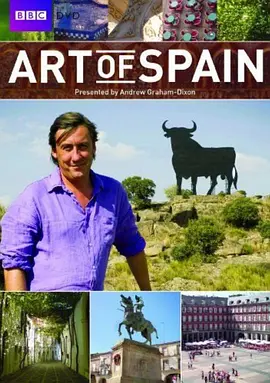
Critic and art historian Andrew Graham-Dixon travels from southern to northern Spain to tell the story of some of Europe’s most exciting and vital art. In an exploration of Moorish Spain, he looks at Muslim political and cultural influence as he travels from Cordoba to Granada, seeing classic buildings such as the Great Mosque in Cordoba, the Alcazar in Seville and the Alhambra in Granada. He also shows how the Moors introduced new foods – including citrus fruits, coffee and spices – to Spain.
The Art of Spain – The Dark Heart (2 of 3)
He journeys to the country’s scorched centre to explore Spanish art of the 16th and 17th centuries, a period that became known as the Golden Age. Tracing the rise and fall of the Spanish Empire, the brutal conquest of the New World, and the religious madness of the Inquisition he discovers how a history so violent produced such beautiful art.
The Art of Spain – The Mystical North (3 of 3)
In the final part, he reveals how the north of the country has produced some of the most dazzling and iconic art of the modern age. Spain’s turbulent history has shaped artists from Francisco Goya to Pablo Picasso. Graham-Dixon argues that Spanish architecture is the art form now taking the nation forward in the new millennium.
Critic and art historian Andrew Graham-Dixon travels from southern to northern Spain to tell the story of some of Europe’s most exciting and vital art. In an exploration of Moorish Spain, he looks at Muslim political and cultural influence as he travels from Cordoba to Granada, seeing classic buildings such as the Great Mosque in Cordoba, the Alcazar in Seville and the Alhambra in Granada. He also shows how the Moors introduced new foods – including citrus fruits, coffee and spices – to Spain.
The Art of Spain – The Dark Heart (2 of 3)
He journeys to the country’s scorched centre to explore Spanish art of the 16th and 17th centuries, a period that became known as the Golden Age. Tracing the rise and fall of the Spanish Empire, the brutal conquest of the New World, and the religious madness of the Inquisition he discovers how a history so violent produced such beautiful art.
The Art of Spain – The Mystical North (3 of 3)
In the final part, he reveals how the north of the country has produced some of the most dazzling and iconic art of the modern age. Spain’s turbulent history has shaped artists from Francisco Goya to Pablo Picasso. Graham-Dixon argues that Spanish architecture is the art form now taking the nation forward in the new millennium.
Blood and Gold: The Making of Spain with Simon Sebag Montefiore (Blood And Gold: The Making Of Spain With Simon Sebag Montefiore) (2015) TMDB Douban
Blood And Gold: The Making Of Spain With Simon Sebag Montefiore Season 1 part of TV Series: Blood and Gold: The Making of Spain with Simon Sebag Montefiore
BBC四台的三集纪录片,《耶路撒冷三千年》作者西蒙·蒙蒂菲奥里以历史学家和旅游者的身份,带你饱览西班牙的美景与之两千年的历史。

Rubens: An Extra Large Story (2015) Douban
director:
Waldemar Januszczak
actor:
Waldemar Januszczak
These days, nobody takes Rubens seriously. His vast and grandiose canvases, stuffed with wobbly mounds of female flesh, have little appeal for the modern gym-subscriber. And it's not just the bulging nudity we don't like. The entire tone of Rubens's art offends us. Everything in it is too big - the epic dramas full of tragedy, the fantastical celestial scenery, the immense canvases and murals adorning the walls and ceilings of Europe's grandest palaces. All of it seems too much for modern sensibilities.
But Waldemar Januszczak begs to differ. In Waldemar's eyes, Rubens has been traduced by modern tastes, and a huge misunderstanding of him has taken place. By looking in detail at Rubens's fascinating life, by understanding his art in more enlightened ways, Waldemar sets out to correct the extra-large misconceptions that have arisen about Rubens.
But Waldemar Januszczak begs to differ. In Waldemar's eyes, Rubens has been traduced by modern tastes, and a huge misunderstanding of him has taken place. By looking in detail at Rubens's fascinating life, by understanding his art in more enlightened ways, Waldemar sets out to correct the extra-large misconceptions that have arisen about Rubens.


Schama on Rembrandt: Masterpieces of the Late Years (2014) Douban
Schama on Rembrandt: Masterpieces of the Late Years
8.0 (6 ratings)
director:
Frank Hanly
actor:
Simon Schama
other title:
伦勃朗晚年的杰作
/
伦勃朗最后的杰作
在艺术史学家西蒙·沙玛看来,伦勃朗是有史以来最伟大的艺术家。在这部美丽的影片中,研究伦勃朗的领先专家走近这位荷兰艺术家面对老年挑战时的最后作品。在去世前的几年,他还在寻找一种全新的艺术语言描绘衰老时的喜悦和痛苦。衰老并没有削弱他的创造力,在他生命的最后岁月,甚至还凝聚了新的创作能量。伦勃朗的晚年生活颠沛流离,遭受着疾病、贫穷和失去亲人的痛苦。但是在这种痛苦中,他依然创作出了美丽精致的作品;而且,尽管被当时的社会认为不入流甚至怪异,但他最后的作品却充满了激情、创新和深刻的自我反省。这部影片拍摄于风景如画的阿姆斯特丹,是一次华丽的视觉盛宴,同时提供了对这位伟大艺术家艺术生涯中最活跃时期的深刻洞察。

Versailles (2012) TMDB Douban
Versailles Season 1 part of TV Series: Versailles
8.6 (19 ratings)
director:
Paul Burgess
凡尔赛宫,欧洲最雄伟壮丽的宫殿之一。本片讲述凡尔赛宫的荣辱沉浮。

Rococo: Travel, Pleasure, Madness (洛可可:旅行,享乐,疯狂) (2014) TMDB Douban
Rococo: Travel, Pleasure, Madness Season 1 part of TV Series: Rococo: Travel, Pleasure, Madness
director:
Waldemar Januszczak
actor:
瓦尔德马·雅努茨扎克
Series in which Waldemar Januszczak re-examines Rococo art and argues that the Rococo was actually the age in which the modern world was born.

Greece with Simon Reeve (2016) TMDB Douban
Greece with Simon Reeve Season 1 part of TV Series: Greece with Simon Reeve
In this two-part series, Simon Reeve travels to Greece, one of the most beautiful, troubled, and extreme countries in Europe. Travelling from the Islands of the Aegean to the rugged and mountainous north, Simon gets behind the picture-postcard image to learn more about Greece and the Greeks - and why the country has faced a seemingly endless economic crisis. Along the way he encounters an extraordinary cast of characters, from rebel monks and gun-toting priests, to desperate migrants and an injured bear cub.
The first leg of Simon Reeve’s journey around Greece takes him from the holiday islands of the Aegean to the capital city of Athens.
Off the tiny island of Pserimos Simon goes underwater with the divers who still hunt for the sea creature which made these islands rich: the natural sponge. He hears how the island’s population is struggling in the face of declining stocks and the wider economic crisis.
Travelling onto Lesvos, just a few miles from the Turkish coast, Simon encounters another of the huge challenges facing the country: the migrant crisis. The island has become Europe’s frontline, with thousands of refugees arriving daily, fundamentally changing the lives of the islanders.
On Greece’s largest island, Crete, Simon heads to the rugged mountains where every shepherd is armed and the local priest is also head of the local gun club. Camping out under the stars Simon learns how for Cretans, memories of Germany’s role in the Second World War still colour their view of the Greek debt crisis.
In Athens, Simon investigates the effects of that crisis. He hears how hard life is for an impoverished community living in converted shipping containers, and in the city he is confronted by angry protesters - and sees just how quickly these protests can descend into a riot.
The first leg of Simon Reeve’s journey around Greece takes him from the holiday islands of the Aegean to the capital city of Athens.
Off the tiny island of Pserimos Simon goes underwater with the divers who still hunt for the sea creature which made these islands rich: the natural sponge. He hears how the island’s population is struggling in the face of declining stocks and the wider economic crisis.
Travelling onto Lesvos, just a few miles from the Turkish coast, Simon encounters another of the huge challenges facing the country: the migrant crisis. The island has become Europe’s frontline, with thousands of refugees arriving daily, fundamentally changing the lives of the islanders.
On Greece’s largest island, Crete, Simon heads to the rugged mountains where every shepherd is armed and the local priest is also head of the local gun club. Camping out under the stars Simon learns how for Cretans, memories of Germany’s role in the Second World War still colour their view of the Greek debt crisis.
In Athens, Simon investigates the effects of that crisis. He hears how hard life is for an impoverished community living in converted shipping containers, and in the city he is confronted by angry protesters - and sees just how quickly these protests can descend into a riot.

The Death of Yugoslavia (1995) TMDB Douban
The Death of Yugoslavia Season 1 part of TV Series: The Death of Yugoslavia
9.8 (6 ratings)
director:
BBC
actor:
米洛舍维奇
/
约瑟普·布罗兹·铁托
…
色彩:彩色
片长:50 min (5 episodes)
上映:1995 1996出碟版
南斯拉夫的死亡, BBC电视1995年播放, 1999年重播. 由Mediaslag编译.
关于把南斯拉夫分裂成几个国家并造成国际政治和人道主义危机的政治事件和战争的历史.
利用对所有主要的参与者的采访和历史录像, 这个系列令人感动地完成了既使人们理解似乎无法解决的的问题, 又"及时"的记录了历史. 1999年重新剪辑加了个新的结尾. 与此系列相伴的有一本同名的很好的书包含了更多的细节. .
第一集:米洛舍维奇, 42分17秒
第二集:克罗地亚人的反击,48分14秒
第三集:争夺波思尼亚,一小时26分42秒
片长:50 min (5 episodes)
上映:1995 1996出碟版
南斯拉夫的死亡, BBC电视1995年播放, 1999年重播. 由Mediaslag编译.
关于把南斯拉夫分裂成几个国家并造成国际政治和人道主义危机的政治事件和战争的历史.
利用对所有主要的参与者的采访和历史录像, 这个系列令人感动地完成了既使人们理解似乎无法解决的的问题, 又"及时"的记录了历史. 1999年重新剪辑加了个新的结尾. 与此系列相伴的有一本同名的很好的书包含了更多的细节. .
第一集:米洛舍维奇, 42分17秒
第二集:克罗地亚人的反击,48分14秒
第三集:争夺波思尼亚,一小时26分42秒

Hiroshima: BBC History of World War II (2005) Douban
BBC: Hiroshima
other title:
BBC: 广岛
/
BBC: Hiroshima
那是二十世纪的一个重要时刻——世界上第一颗用于袭击一个国家或地区的原子弹投向了日本的广岛,这是一次科学的、技术的、军事的以及政治上的冒险。
这部纪录片企图向我们展示经历了原子弹轰炸的日本人民的生活是什么样的(以前还没有类似的纪录片)
时间定格在短短的三周时间,从在新墨西哥的爆炸试验到最后在日本上空的投下,我们有机会看到当年做出决策的那个房间,灾难发生的那一刹那的广岛街头。故事以平行的线索展开。
这部纪录片企图向我们展示经历了原子弹轰炸的日本人民的生活是什么样的(以前还没有类似的纪录片)
时间定格在短短的三周时间,从在新墨西哥的爆炸试验到最后在日本上空的投下,我们有机会看到当年做出决策的那个房间,灾难发生的那一刹那的广岛街头。故事以平行的线索展开。
Frederick the Great and the Enigma of Prussia (2010) Douban
Frederick the Great and the Enigma of Prussia
director:
Chris Wilson
actor:
Christopher Clark
/
阿道夫·希特勒 Adolf Hitler
…
other title:
腓特烈大帝和普鲁士之谜
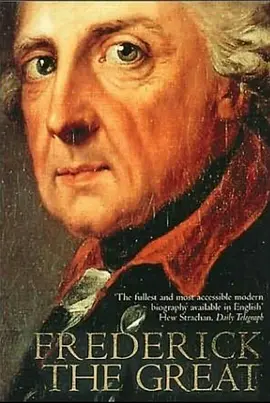
TA是希特勒崇拜的偶像 为了法西斯的需要和反法西斯的需要, 腓特烈大帝已经被历史篡改的面目全非 这个片子要给大家展示的则是一个真实的腓特烈大帝 他为了爱情与父亲抗争 却不得已娶了自己不爱的女人 爱情的失败导致了他性格的扭曲 从此不近女色,把所有的精力投入到战争之中 胜利女神对他青眼有加 从而造就了所向披靡的普鲁士帝国
Russia's Lost Princesses (2014) Douban
Russia's Lost Princesses
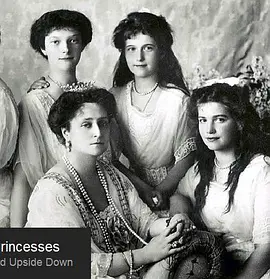
俄罗斯帝国末代皇帝·尼古拉二世虽然不是明君,但其膝下的四位公主却是全欧洲乃至全世界公认的才色兼备的淑女、名媛。原本她们或会嫁入某国成为王后或皇后,但随着十月革命诞生的新政权——红色苏维埃的上台,她们的命运发生了天翻地覆的变化。自古红颜多薄命,等待着这四位公主将会是何种命运呢?