Paul Auster — Author (72)
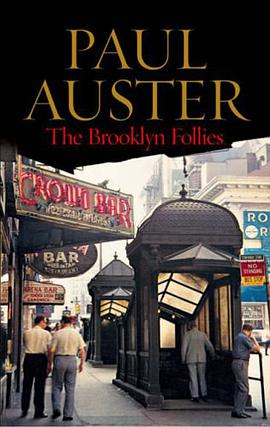
The Brooklyn Follies [Book] Douban
So begins Paul Auster's The Brooklyn Follies, set against the backdrop of the contested US presidential election of 2000. Nathan and Tom are an uncle and nephew double-act - one in remission from lung cancer, divorced, and estranged from his only daughter, the other hiding away from what was a once-promising academic career. By accident the pair wind up in the same Brooklyn neighborhood, and then matters change for them further when Lucy - a little girl who refuses to speak - comes into their lives, offering a bridge from the pasts of both men and, perhaps, a shot at redemption.
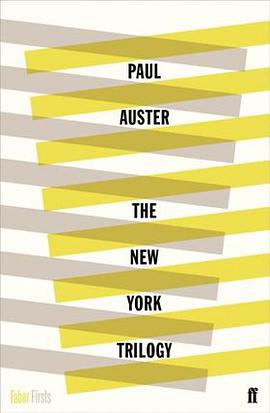
The New York Trilogy [Book] Douban
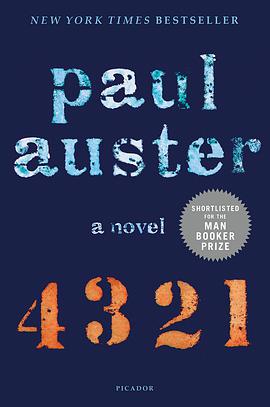
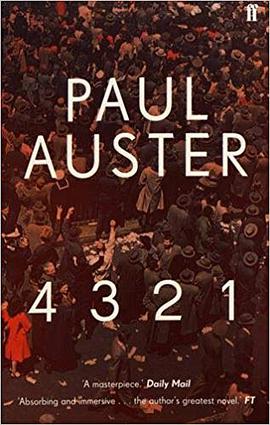
4321 [Book] Douban
* * * Shortlisted for the Man Booker Prize * * *
New York Times Bestseller, Los Angeles Times Bestseller, Boston Globe Bestseller, National Indiebound Bestseller
The Millions’s “Most Anticipated”; Vulture’s “Most Exciting Book Releases for 2017”; The Washington Post’s Books to Read in 2017; Chicago Tribune’s “Books We’re Excited About in 2017”;
Town & Country's "5 Books to Start Off 2017 the Right Way"; Read it Forward, Favorite Reads of January 2017
“An epic bildungsroman . . . . Original and complex . . . . A monumental assemblage of competing and complementary fictions, a novel that contains multitudes.”―Tom Perrotta, The New York Times Book Review
“A stunningly ambitious novel, and a pleasure to read. . . . An incredibly moving, true journey.”―NPR
Paul Auster’s greatest, most heartbreaking and satisfying novel―a sweeping and surprising story of birthright and possibility, of love and of life itself.
Nearly two weeks early, on March 3, 1947, in the maternity ward of Beth Israel Hospital in Newark, New Jersey, Archibald Isaac Ferguson, the one and only child of Rose and Stanley Ferguson, is born. From that single beginning, Ferguson’s life will take four simultaneous and independent fictional paths. Four identical Fergusons made of the same DNA, four boys who are the same boy, go on to lead four parallel and entirely different lives. Family fortunes diverge. Athletic skills and sex lives and friendships and intellectual passions contrast. Each Ferguson falls under the spell of the magnificent Amy Schneiderman, yet each Amy and each Ferguson have a relationship like no other. Meanwhile, readers will take in each Ferguson’s pleasures and ache from each Ferguson’s pains, as the mortal plot of each Ferguson’s life rushes on.
As inventive and dexterously constructed as anything Paul Auster has ever written, yet with a passion for realism and a great tenderness and fierce attachment to history and to life itself that readers have never seen from Auster before. 4 3 2 1 is a marvelous and unforgettably affecting tour de force.
New York Times Bestseller, Los Angeles Times Bestseller, Boston Globe Bestseller, National Indiebound Bestseller
The Millions’s “Most Anticipated”; Vulture’s “Most Exciting Book Releases for 2017”; The Washington Post’s Books to Read in 2017; Chicago Tribune’s “Books We’re Excited About in 2017”;
Town & Country's "5 Books to Start Off 2017 the Right Way"; Read it Forward, Favorite Reads of January 2017
“An epic bildungsroman . . . . Original and complex . . . . A monumental assemblage of competing and complementary fictions, a novel that contains multitudes.”―Tom Perrotta, The New York Times Book Review
“A stunningly ambitious novel, and a pleasure to read. . . . An incredibly moving, true journey.”―NPR
Paul Auster’s greatest, most heartbreaking and satisfying novel―a sweeping and surprising story of birthright and possibility, of love and of life itself.
Nearly two weeks early, on March 3, 1947, in the maternity ward of Beth Israel Hospital in Newark, New Jersey, Archibald Isaac Ferguson, the one and only child of Rose and Stanley Ferguson, is born. From that single beginning, Ferguson’s life will take four simultaneous and independent fictional paths. Four identical Fergusons made of the same DNA, four boys who are the same boy, go on to lead four parallel and entirely different lives. Family fortunes diverge. Athletic skills and sex lives and friendships and intellectual passions contrast. Each Ferguson falls under the spell of the magnificent Amy Schneiderman, yet each Amy and each Ferguson have a relationship like no other. Meanwhile, readers will take in each Ferguson’s pleasures and ache from each Ferguson’s pains, as the mortal plot of each Ferguson’s life rushes on.
As inventive and dexterously constructed as anything Paul Auster has ever written, yet with a passion for realism and a great tenderness and fierce attachment to history and to life itself that readers have never seen from Auster before. 4 3 2 1 is a marvelous and unforgettably affecting tour de force.
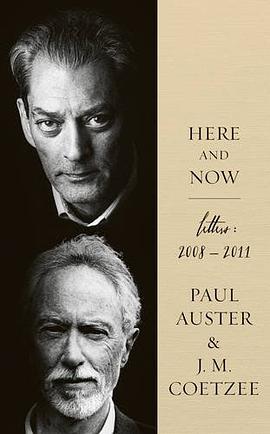
Here and Now [Book] Douban
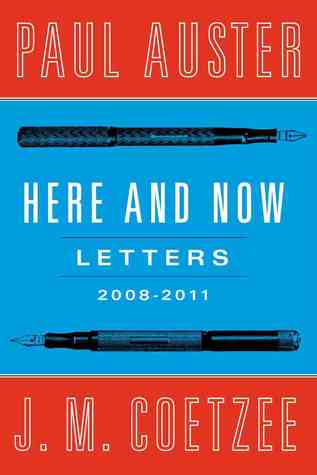
Here and Now: Letters (2008-2011) [Book] Goodreads
Here and Now: Letters (2008-2011)
Although Paul Auster and J. M. Coetzee had been reading each other’s books for years, the two writers did not meet until February 2008. Not long after, Auster received a letter from Coetzee, suggesting they begin exchanging letters on a regular basis and, “God willing, strike sparks off each other.”
is the result of that proposal: the epistolary dialogue between two great writers who became great friends. Over three years their letters touched on nearly every subject, from sports to fatherhood, film festivals to incest, philosophy to politics, from the financial crisis to art, death, family, marriage, friendship, and love.
Their correspondence offers an intimate and often amusing portrait of these two men as they explore the complexities of the here and now and is a reflection of two sharp intellects whose pleasure in each other’s friendship is apparent on every page.
is the result of that proposal: the epistolary dialogue between two great writers who became great friends. Over three years their letters touched on nearly every subject, from sports to fatherhood, film festivals to incest, philosophy to politics, from the financial crisis to art, death, family, marriage, friendship, and love.
Their correspondence offers an intimate and often amusing portrait of these two men as they explore the complexities of the here and now and is a reflection of two sharp intellects whose pleasure in each other’s friendship is apparent on every page.
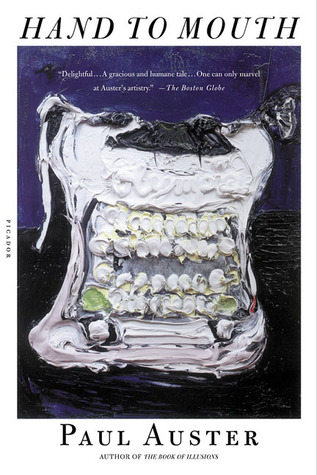
Hand to Mouth: A Chronicle of Early Failure [Book] Goodreads
Hand to Mouth: A Chronicle of Early Failure
Paul Auster's
is a fascinating and often funny memoir about his early years as a writer struggling to be published, and to make enough money to survive. Leaving high school with "itchy feet" and refusing to play it safe, Auster avoided convention and the double life of steady office employment while writing. From the streets of New York City, Dublin, and Paris to a surreal adventure in a dusty village in Mexico, Auster's account of living on next to nothing introduces an unforgettable cast of characters while examining what it means to be a writer.
is a fascinating and often funny memoir about his early years as a writer struggling to be published, and to make enough money to survive. Leaving high school with "itchy feet" and refusing to play it safe, Auster avoided convention and the double life of steady office employment while writing. From the streets of New York City, Dublin, and Paris to a surreal adventure in a dusty village in Mexico, Auster's account of living on next to nothing introduces an unforgettable cast of characters while examining what it means to be a writer.
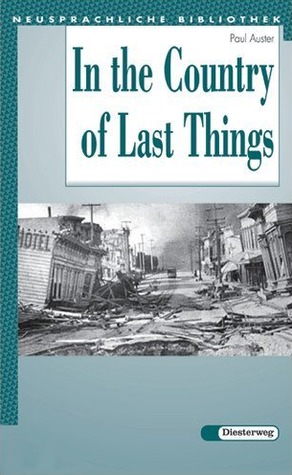
In the Country of Last Things [Book] Goodreads Skybridge
In the Country of Last Things
author:
Paul Auster
A dystopian epistolary novel.
takes the form of a letter from a young woman named Anna Blume to a childhood friend. Anna has ventured into an unnamed city that has collapsed into chaos and disorder. In this bleak environment, no industry takes place and most of the population collects garbage or scavenges for objects to resell. City governments are unstable and are concerned only with collecting human waste and corpses for fuel. Anna has entered the city to search for her brother William, a journalist, and it is suggested that the Blumes come from a world to the East which has not collapsed.
takes the form of a letter from a young woman named Anna Blume to a childhood friend. Anna has ventured into an unnamed city that has collapsed into chaos and disorder. In this bleak environment, no industry takes place and most of the population collects garbage or scavenges for objects to resell. City governments are unstable and are concerned only with collecting human waste and corpses for fuel. Anna has entered the city to search for her brother William, a journalist, and it is suggested that the Blumes come from a world to the East which has not collapsed.
The Invention of Solitude [Book] Douban
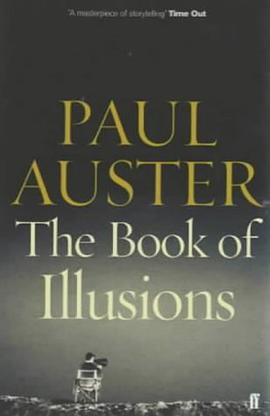
The Book of Illusions [Book] Douban
Set in the late 1980s, the story is written from the perspective of David Zimmer, a university professor who, after losing his wife and children in a plane crash, falls into a routine of depression and isolation. After seeing one of the silent comedies of Hector Mann, an actor missing since the 1920s, he decides to occupy himself by watching all of Mann's films and writing a book about them. The publishing of the book, however, triggers another series of events that draw Zimmer even deeper into the actor's past.
The middle of the story is largely dedicated to telling the life story of Hector Mann, involving his self-imposed exile from his past life and career, which serves as a form of penance for his role in the death of a woman who loved him. In his last days, his wife sends a letter to Zimmer, requesting him to come to their New Mexico home to bear witness to Mann's final legacy of films. The events that ensue form the overarching story of Zimmer's rehabilitation from his reclusive state, and his coming to terms with the manner in which his family was killed.
The middle of the story is largely dedicated to telling the life story of Hector Mann, involving his self-imposed exile from his past life and career, which serves as a form of penance for his role in the death of a woman who loved him. In his last days, his wife sends a letter to Zimmer, requesting him to come to their New Mexico home to bear witness to Mann's final legacy of films. The events that ensue form the overarching story of Zimmer's rehabilitation from his reclusive state, and his coming to terms with the manner in which his family was killed.
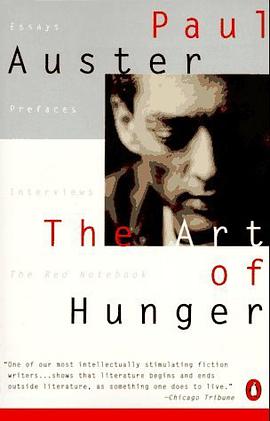
The Art of Hunger [Book] Douban
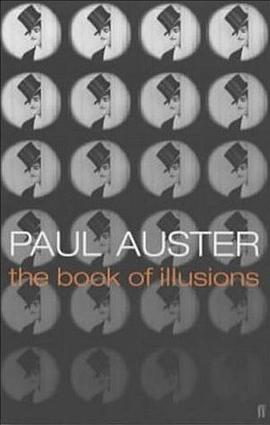
The Book of Illusions [Book] Douban
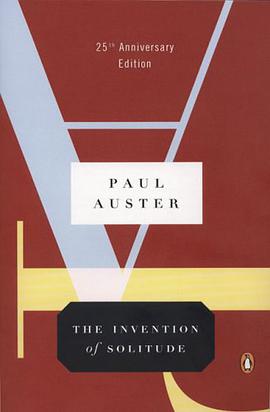
The Invention of Solitude [Book] Douban Goodreads
The Invention of Solitude
"One day there is life . . . and then, suddenly, it happens there is death". So begins THE INVENTION OF SOLITUDE, Paul Auster's moving and personal meditation on fatherhood. After the death of his own father, Auster discovers a 60-year-old family murder mystery that could account for the old man's elusive character. Later the book shifts from Auster's identity as son to his own role as father.
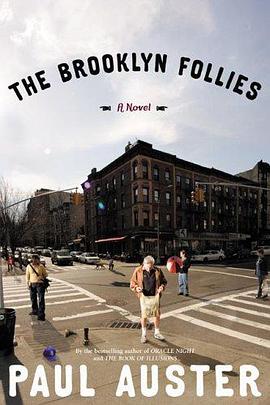
The Brooklyn Follies [Book] Douban

無形之物 [Book] Douban
Invisible
每一具有形的軀殼,都盛裝著不堪一擊的寂寞靈魂,
看不見,摸不著,卻與你的生命緊緊貼覆、緩緩而行。
是時候,
把那些衝擊∕碎裂∕灰飛煙滅∕看不見 的 記憶,
給 拼湊 回去。
那年春天,法國教授波恩走進了哥倫比亞大學學生亞當的生命。那是勝過無數偶然的必然,也是勝過無數必然的偶然。亞當先是與波恩一見如故,而後愛上了波恩美麗的女友瑪歌。春天結束以前,亞當因波恩而捲入一樁暴力事件,封存於內心深處的陰暗記憶被喚醒,亞當的世界在一瞬間分崩離析……
很久很久以後,作家吉姆讀著一個迷人卻恐怖的故事。但這並非虛構小說,而是老友亞當寄給他的部分回憶錄。吉姆為亞當的際遇深深震撼,也與亞當相約見面。然而還來不及等到見面那天,亞當已離開人世,僅留下零星不全的回憶錄筆記。
吉姆整理老友遺留的字字句句,同時也被捲入亞當的傷心故事裡:一個永不結束的四季,一顆憂鬱的心,一些近似真實的妄想,一種逼近絕望的哀傷……當那些無以名狀的往事,隨著吉姆的探究而逐一顯形,傷痛有了質地,孤獨也有了形狀。而唯有讀完它,我們才能成為故事的一分子,給故事一個可能的結局。
看不見,摸不著,卻與你的生命緊緊貼覆、緩緩而行。
是時候,
把那些衝擊∕碎裂∕灰飛煙滅∕看不見 的 記憶,
給 拼湊 回去。
那年春天,法國教授波恩走進了哥倫比亞大學學生亞當的生命。那是勝過無數偶然的必然,也是勝過無數必然的偶然。亞當先是與波恩一見如故,而後愛上了波恩美麗的女友瑪歌。春天結束以前,亞當因波恩而捲入一樁暴力事件,封存於內心深處的陰暗記憶被喚醒,亞當的世界在一瞬間分崩離析……
很久很久以後,作家吉姆讀著一個迷人卻恐怖的故事。但這並非虛構小說,而是老友亞當寄給他的部分回憶錄。吉姆為亞當的際遇深深震撼,也與亞當相約見面。然而還來不及等到見面那天,亞當已離開人世,僅留下零星不全的回憶錄筆記。
吉姆整理老友遺留的字字句句,同時也被捲入亞當的傷心故事裡:一個永不結束的四季,一顆憂鬱的心,一些近似真實的妄想,一種逼近絕望的哀傷……當那些無以名狀的往事,隨著吉姆的探究而逐一顯形,傷痛有了質地,孤獨也有了形狀。而唯有讀完它,我們才能成為故事的一分子,給故事一個可能的結局。
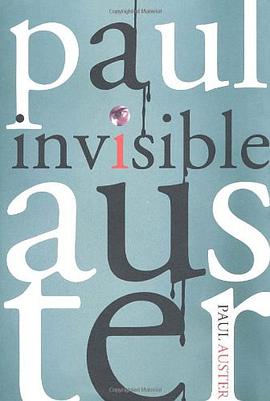
Invisible [Book] Douban Goodreads Skybridge
"One of America's greatest novelists" dazzlingly reinvents the coming-of-age story in his most passionate and surprising book to dateSinuously constructed in four interlocking parts, Paul Auster's fifteenth novel opens in New York City in the spring of 1967, when twenty-year-old Adam Walker, an aspiring poet and student at Columbia University, meets the enigmatic Frenchman Rudolf Born and his silent and seductive girfriend, Margot. Before long, Walker finds himself caught in a perverse triangle that leads to a sudden, shocking act of violence that will alter the course of his life.Three different narrators tell the story of Invisible, a novel that travels in time from 1967 to 2007 and moves from Morningside Heights, to the Left Bank of Paris, to a remote island in the Caribbean. It is a book of youthful rage, unbridled sexual hunger, and a relentless quest for justice. With uncompromising insight, Auster takes us into the shadowy borderland between truth and memory, between authorship and identity, to produce a work of unforgettable power that confirms his reputation as "one of America's most spectacularly inventive writers."