语言学是一个学科群
ArendelleOlaf @ArendelleOlaf
102 本书
Linguistics deals with language and the various issues concerning language. It is a conglomerate composed of over 70 academic subjects, covering seven major areas: language structure, language function, language application, human language learning, machine language learning, language and physiology, and language and cognition. Linguistics as an academic subject in its very nature can be categorized under three themes: scientifi c, technological and artistic. It thus transcends humanities, social sciences and natural sciences. The objective of linguistic studies is to understand the rules and regulations of languages. Language technology is about the application and exploitation of language for instrumental purposes with an aim to benefit the human race; the artistic aspects of language and its writing system can be utilized for fostering the aesthetic sense of the public. To understand the nature of linguistics is significant and far reaching as it is conducive in integrating linguistic theories and disciplinary framework of linguistics study, so that it enables us to shift the focus of seeking to answer fundamental questions concerning constructing models of linguistic knowledge to practical application. More generally, this shift also contributes to rectifying discipline categories that are currently adopted in Chinese universities, ultimately leading to furthering linguistic studies. The outcome of linguistic studies should be made applicable in other academic subject and society.

Bilingualism Across the Lifespan [图书] 谷歌图书
The Tocharian Verbal System [图书] 谷歌图书
The Tocharian Gender System [图书] 谷歌图书
两汉外来词研究 [图书] 豆瓣
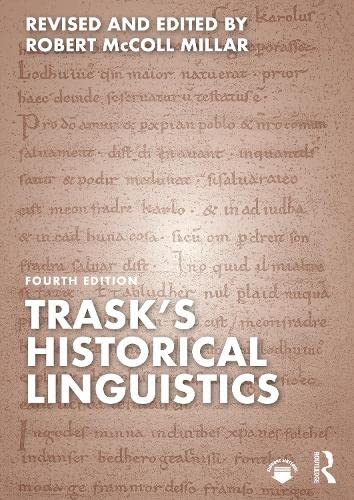
Trask's Historical Linguistics [图书] 谷歌图书
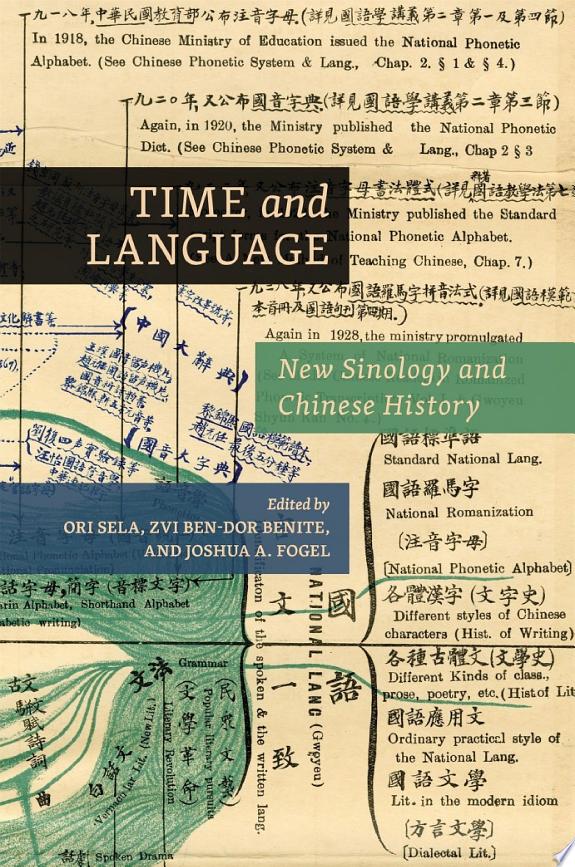
Time and Language [图书] 谷歌图书
Language Production [图书] 谷歌图书
焦点结构和意义的研究(增订本) [图书] 豆瓣
New Directions in Linguistic Geography [图书] 谷歌图书
It is a timely and invaluable new resource for researchers and students in linguistics, geography, anthropology and communication.
The Integration of Language and Society [图书] 谷歌图书
aspects of their social environment, their means of subsistence, and even geographical features of the areas in which the language is spoken. The chapters in this book draw on data from the languages of Australia and New Guinea (Dyirbal and Idi), South America (Chamacoco, Ayoreo, Murui, and
Tariana), Asia (Japanese, Brokpa, and Dzongkha), and Africa (Iraqw) to examine the ways in which the grammar of a language relates to societal practices. The volume begins with a general introduction that summarizes the main issues relevant to how language and societies are integrated, before later
chapters explore specific points of integration in a range of diverse languages, including honorifics, genders and classifiers, possessives, evidentiality, comparatives, and demonstratives. The findings advance our understanding of how non-linguistic traits have their correlates in language, and how
these change when society changes. The volume will be a valuable resource for scholars and students of typology, cultural and linguistic anthropology, and sociolinguistics and social sciences more widely.