语法
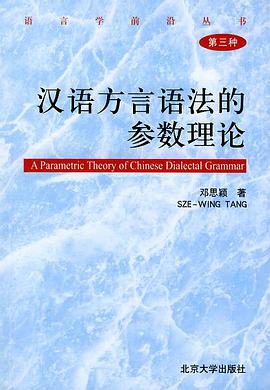
汉语方言语法的参数理论 Douban
author:
邓思颖
2003
- 3
《汉语方言语法的参数理论(第3种)》为我们提供了一个很好的范例:研究汉语句法,哪怕是方言间小小的差异,都可以对一般语言学理论作出贡献,让汉语研究加入世界语言学理论的行列。《汉语方言语法的参数理论(第3种)》利用生成语法学的参数理论分析汉语方言语法的差异。提出了“显性参数化假定”,对参数理论作出严谨的限制于显性的成分,除此以外,其他成分应该是一致的。《汉语方言语法的参数理论(第3种)》以这个假定作为研究基础,主要比较了普通话和粤语的双;宾语结构、与格结构和被动句,并且揭示了汉语方言分歧的根本原因,所得的发现对了解现代汉语语法的整体面貌和窥探人类语言的深层特点,具有一定的启发意义。
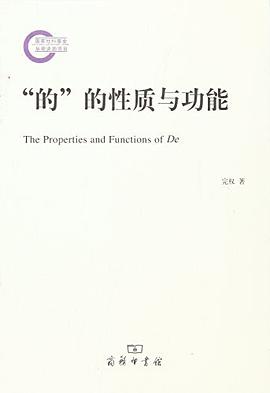
“的”的性质与功能 Douban
author:
完权
publishing house:
商务印书馆
2016
- 3
作者围绕“的”的性质与功能展开讨论,秉承认知与功能学派的基本理念,并更加注重即时语言加工过程中和语境相关的社会认知因素,即认知的在线性和社会性。在沈家煊先生新近提出的汉语词类包含模式的基础上,从“的”字结构是参照体–目标结构这一理论原点出发,针对不同论题,选取相应的研究方法,尝试系统回答“的”字研究中的种种问题。 全书的核心观点是:“的”是参照体标记,起到提高参照体的指别度的作用,由此派生出诸多其他功能。 主要内容有:从全新的“认知入场”视角阐述“的”在名词短语中的基本功能。基于复合词连续统、概念整合等观念探讨“的”字隐现的规律。在反映即时言语认知场景的语篇中寻找制约多项定语的“的”的隐现和位置的规律,类似的方法也应用到对“N的V”的考察。分析从名词短语中扩展到事态句末的“的”。以词类功能专门化的观点论证“的”的非词尾属性以及几个“的”之间的共性。旁及生成语法,以后置词方案为“的”字结构的中心语问题提出新的解答。也兼及汉语史,在上古汉语的“之”和“的”的对比中拓展研究。
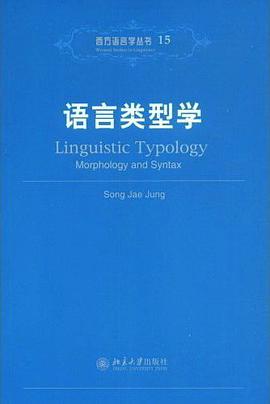
语言类型学 Douban
author:
[韩]宋在晶
publishing house:
北京大学出版社
2008
《语言类型学》作者在大量不同语言的资料和例证的基础上,对语言类型学作了全新和深入的介绍。《语言类型学》的特色是着重对此领域中的主要问题,如基本语序、格标记、关系从句、致使构式等进行了具体而详细的研究,通过具体案例研究,揭示了如何发现和解释语言类型的系统模式,以及这些模式所受的限制。另外,《语言类型学》还讨论了一些实用的问题和方法,如语料的采集和语言样本的制作,最后《语言类型学》探讨了语言类型学在历时语言学、语言习得等其他领域中的应用问题。
对于研究兴趣在语言类型和语言共性、语言比较、历时语言学、语言习得、语言认知等领域的读者而言,《语言类型学》都是一部有价值的著作。
-------
目录
给中国读者的前言
Preface
导读
Abbreviario掰
Acknowledgements
1 Introducing linguistic typology
1.1 What do linguistic typologists study?
1.2 Typological analysis
13 Typology of language universals
1.4 Language universals and linguistic typology
1.5 Assumptions and problems in typological analysis
1.5.1 Cross-linguistic comparability
1.5.2 The Principle of Uniformitarianism
1.5.3 Approaches to language sampling
1.5.4 Determining language sample sizes
1.5.5 Problems with data
1.6 Partial typology VS.holistic typology
1.7 Organization ofthe rest ofthe book
2 Basic WOrd Order
2.1What is basic word order?
2.2 Early research on basic word order
2.2.1 The inception of word order typology
2.2.2 The OV-VO typology
2.2.3 Making language universals exceptionless
2.3 Explaining the distribution of the basic clausal word orders
2.4 Back to the OV-VO typology:the Branching Direction Theory
2.5 Seeking a global explanation:the Early Immediate Constituents Theory
2.6 From word order to morpheme order:the suffixing preference
2.7 Closing remarks
3 Case marking
3.1 Introduction
3.2 AS and P, and types of case marking
3.2.1 Nominative-accusative system
3.2.2 Ergative-absolutive system
3.2.3 Tripartite system
3.2.4 AP/S system
3.2.5 Neutral system
3.3 More types of case marking
3.3.1 Split-ergative system
3.3.2 Active-stative system
3.3.3 Direct-inverse system
3.4 Distribution of the case marking systems
3.5 The discriminatory view of case marking
3.6 The indexing view of case marking
3.7 The discriminatory view vs. the indexing view
3.8 The Nominal Hierarchy and the split-ergative system
3.9 Towards a unified explanation: attention flow and viewpoint
3.10 Ergativity from discourse to grammar
3.11 Case marking in altered or non-basic constructions
3.11.1 Passive
3.11.2 Antipassive
3.11.3 Noun incorporation
3.11.4 Advancement of obliques to P
3.12 Syntactic ergativity
3.13 Head marking vs. dependent marking
3.14 Case marking type and word order type
4 Relative clauses
4.1 Introduction
4.2 The position of the head noun vis-a-vis the restricting clause
4.3 Expression of the head noun
4.3.1 The obliteration strategy
4.3.2 The pronoun-retention strategy
4.3.3 The relative-pronoun strategy
4.3.4 Language-internal distribution of the relativization strategies
4.4 Accessibility Hierarchy: accessibility to relativization
4.5 Conspiracy in relativization
4.6 Correlations between RC-related properties
4.7 The head noun in the main clause
4.8 Subject primacy vs. discourse preferences in relativization
4.9 RC type and word order type
4.10 The role of processing in the distribution of RC types
4.11 The All and structural complexity
5 Causatives
5.1 Introduction
5.2 The morphologically based typology of causative constructions
5.3 The syntax of the causee NP: the Case Hierarchy
5.4 Conspiracy in causativization
5.5 Doubling: coding vs. grammatical relation
5.6 Causation types and causative types
5.7 The case marking of the causee NP
5.8 The conceptual integration of the causee in the causative event
5.9 Towards a typology of causative constructions
6 The application of linguistic typology
6.1 Introduction
6.2 Linguistic typology and historical linguistics
6.2.1 Early attempts at word order reconstruction
6.2.2 Linguistic typology as a control on, and a tool in,reconstruction
6.2.3 Linguistic typology and linguistic prehistory
6.3 Linguistic typology and language acquisition
6.3.1 Accessibility to relativization in FLA
6.3.2 Accessibility to relativization in SLA
6.3.3 Two potential FLA/SLA areas of application
6.3.4 Closing remarks
7 European approaches to linguistic typology
7.1 Introduction
7.2 The Leningrad Typology Group
7.3 The Cologne UNITYP Group
7.4 The Prague School Typology
7.5 Epilogue
Bibliography
Author Index
Language Index
Subject Index
对于研究兴趣在语言类型和语言共性、语言比较、历时语言学、语言习得、语言认知等领域的读者而言,《语言类型学》都是一部有价值的著作。
-------
目录
给中国读者的前言
Preface
导读
Abbreviario掰
Acknowledgements
1 Introducing linguistic typology
1.1 What do linguistic typologists study?
1.2 Typological analysis
13 Typology of language universals
1.4 Language universals and linguistic typology
1.5 Assumptions and problems in typological analysis
1.5.1 Cross-linguistic comparability
1.5.2 The Principle of Uniformitarianism
1.5.3 Approaches to language sampling
1.5.4 Determining language sample sizes
1.5.5 Problems with data
1.6 Partial typology VS.holistic typology
1.7 Organization ofthe rest ofthe book
2 Basic WOrd Order
2.1What is basic word order?
2.2 Early research on basic word order
2.2.1 The inception of word order typology
2.2.2 The OV-VO typology
2.2.3 Making language universals exceptionless
2.3 Explaining the distribution of the basic clausal word orders
2.4 Back to the OV-VO typology:the Branching Direction Theory
2.5 Seeking a global explanation:the Early Immediate Constituents Theory
2.6 From word order to morpheme order:the suffixing preference
2.7 Closing remarks
3 Case marking
3.1 Introduction
3.2 AS and P, and types of case marking
3.2.1 Nominative-accusative system
3.2.2 Ergative-absolutive system
3.2.3 Tripartite system
3.2.4 AP/S system
3.2.5 Neutral system
3.3 More types of case marking
3.3.1 Split-ergative system
3.3.2 Active-stative system
3.3.3 Direct-inverse system
3.4 Distribution of the case marking systems
3.5 The discriminatory view of case marking
3.6 The indexing view of case marking
3.7 The discriminatory view vs. the indexing view
3.8 The Nominal Hierarchy and the split-ergative system
3.9 Towards a unified explanation: attention flow and viewpoint
3.10 Ergativity from discourse to grammar
3.11 Case marking in altered or non-basic constructions
3.11.1 Passive
3.11.2 Antipassive
3.11.3 Noun incorporation
3.11.4 Advancement of obliques to P
3.12 Syntactic ergativity
3.13 Head marking vs. dependent marking
3.14 Case marking type and word order type
4 Relative clauses
4.1 Introduction
4.2 The position of the head noun vis-a-vis the restricting clause
4.3 Expression of the head noun
4.3.1 The obliteration strategy
4.3.2 The pronoun-retention strategy
4.3.3 The relative-pronoun strategy
4.3.4 Language-internal distribution of the relativization strategies
4.4 Accessibility Hierarchy: accessibility to relativization
4.5 Conspiracy in relativization
4.6 Correlations between RC-related properties
4.7 The head noun in the main clause
4.8 Subject primacy vs. discourse preferences in relativization
4.9 RC type and word order type
4.10 The role of processing in the distribution of RC types
4.11 The All and structural complexity
5 Causatives
5.1 Introduction
5.2 The morphologically based typology of causative constructions
5.3 The syntax of the causee NP: the Case Hierarchy
5.4 Conspiracy in causativization
5.5 Doubling: coding vs. grammatical relation
5.6 Causation types and causative types
5.7 The case marking of the causee NP
5.8 The conceptual integration of the causee in the causative event
5.9 Towards a typology of causative constructions
6 The application of linguistic typology
6.1 Introduction
6.2 Linguistic typology and historical linguistics
6.2.1 Early attempts at word order reconstruction
6.2.2 Linguistic typology as a control on, and a tool in,reconstruction
6.2.3 Linguistic typology and linguistic prehistory
6.3 Linguistic typology and language acquisition
6.3.1 Accessibility to relativization in FLA
6.3.2 Accessibility to relativization in SLA
6.3.3 Two potential FLA/SLA areas of application
6.3.4 Closing remarks
7 European approaches to linguistic typology
7.1 Introduction
7.2 The Leningrad Typology Group
7.3 The Cologne UNITYP Group
7.4 The Prague School Typology
7.5 Epilogue
Bibliography
Author Index
Language Index
Subject Index
词汇化与语言演变 Douban
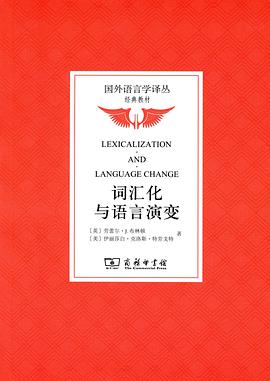
Lexicalization and Language Change
author:
[英]苏蕾尔•J.布林顿
/
[美]伊丽莎白•克洛斯•特劳戈特
translator:
罗耀华
/
郑友阶
…
publishing house:
商务印书馆
2013
- 5
本书的两位作者全面考察了文献中介绍过的词汇化的各种概念,根据当代语法化的研究,她们提出了词汇化和语法化的一个全新的统一模型。她们的方法是用英语历史中的各种个案研究来说明的,包括现在分词、多项动词、副词、话语标记以及来自其他印欧语言中的一些例子。作为首次对词汇化研究各种方法的综述,本书对于研究历史语言学和语言演变的学生和学者来讲,其价值是无法估量的。
普遍语法探究 Douban
author:
[美]斯蒂芬·克莱恩
/
[美]罗莎琳德·桑顿
translator:
李汝亚
publishing house:
商务印书馆
2015
- 7
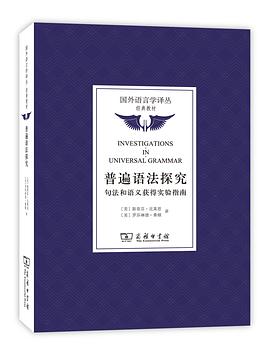
本书是讨论儿童语言获得实验方法的名著,亦是国外儿童语言获得研究的经典教材,是将生成语法理论的假设与儿童语言实证研究紧密结合的典范。
书中展示了大量儿童句法、语义获得研究的实验,详细阐述了实验设计的理念、必须满足的合理性条件、具体实施的步骤以及存在的问题,为开展儿童语言的科学实验提供了很强的实用性指导。
作者重点推介的两种实验方法——真值判断任务和诱导产出任务在国外已广泛用于儿童语言获得研究。这些方法逻辑性强,可以有效地控制句子使用的语境,为实验数据的可靠性提供保证。
书中展示了大量儿童句法、语义获得研究的实验,详细阐述了实验设计的理念、必须满足的合理性条件、具体实施的步骤以及存在的问题,为开展儿童语言的科学实验提供了很强的实用性指导。
作者重点推介的两种实验方法——真值判断任务和诱导产出任务在国外已广泛用于儿童语言获得研究。这些方法逻辑性强,可以有效地控制句子使用的语境,为实验数据的可靠性提供保证。
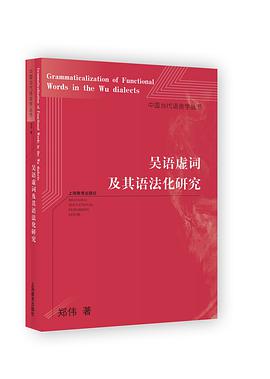
吴语虚词及其语法化研究 Douban
author:
郑伟 著
publishing house:
上海教育出版社
2017
- 3
《吴语虚词及其语法化研究》是国内第一部从语法化的视角,将历史文献与现代方言相结合,探讨汉语方言中虚词的语法功能及其来源与演变的专书。
《吴语虚词及其语法化研究》通过对具体个案的深入分析,观察吴语某个虚词在早期吴语的历史文献(必要时也会涉及官话语法史上的文献资料)和现代吴语(当然有时不止涉及吴语,而是以吴语为主,兼及其他汉语方言)中的具体表现,关注的问题包括该虚词在语法上的多功能性、该虚词在吴语周边方言中的具体表现、现代方言中共时的用法与历史文献之间的联系等。
虚词、词序是汉语最重要的两个语法手段。虚词的共时描写与历时溯源是汉语语法史研究的重要课题。由于各种原因,撇开北方官话不论,汉语各大方言的文献资料的丰富程度、时代早晚等都不尽相同。相比之下,吴语从晚明开始有比较全面的历史文献,语料的性质也比较明确。
《吴语虚词及其语法化研究》通过对具体个案的深入分析,观察吴语某个虚词在早期吴语的历史文献(必要时也会涉及官话语法史上的文献资料)和现代吴语(当然有时不止涉及吴语,而是以吴语为主,兼及其他汉语方言)中的具体表现,关注的问题包括该虚词在语法上的多功能性、该虚词在吴语周边方言中的具体表现、现代方言中共时的用法与历史文献之间的联系等。
虚词、词序是汉语最重要的两个语法手段。虚词的共时描写与历时溯源是汉语语法史研究的重要课题。由于各种原因,撇开北方官话不论,汉语各大方言的文献资料的丰富程度、时代早晚等都不尽相同。相比之下,吴语从晚明开始有比较全面的历史文献,语料的性质也比较明确。
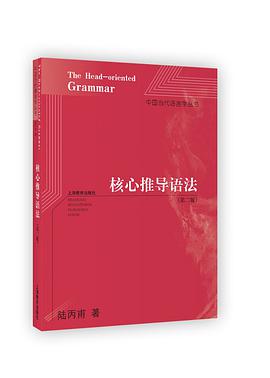
核心推导语法(第二版) Douban
author:
陆丙甫
publishing house:
上海教育出版社
2015
- 8
《核心推导语法》(第二版)内容简介
我国流行的句子分析法主要有两种: 传统的句子成分分析法和结构主义的直接成分分析法。前者因为强调结构内核心词的作用,所以又称“中心词分析法”;而后者强调层次,又称“层次分析法”。《核心推导语法》(第二版)从比较这两种分析法的得失出发,提出一种兼顾核心词和层次的“向心层次分析法”和由有限多项式构成的“向心轨层”的语法描写形式和结构观念。
以此为出发点,根据核心词在切分中的“定向”(确定切分深入的方向)、“定界”(确定切分的下限)作用,在《核心推导语法》(第二版)的前半部,也对汉语语法中一些传统的基本问题,如词本位、短语本位和句本位的得失问题,结构核心的判断和内向、外向问题,形式和意义的关系问题,词类问题等,在统一的基础上进行了系统的分析。
《核心推导语法》(第二版)的后半部,根据核心词在结构分析中的“定义”(确定结构成分的范畴)、“定位”(确定成分的位置)作用,以核心所定义的“整体性”(板块)和内、外层为基础,对语序的变换进行了讨论。这些内容,也是形式语法的转换生成语法所讨论的基本现象。本书对这些现象提供了一个建立在认知基础上,从传统语法角度也能理解的功能主义分析、解释。
在上述讨论的基础上,本书最后一章提出一种听话者取向的、动态的句法分析——“同步组块分析”;它既不同于结构主义中静态的和听话者取向的语法分析,也不同于生成语法中动态的、说话者取向的语法分析。“同步组块分析”也是对句法结构分析加以数量化的一个尝试。
我国流行的句子分析法主要有两种: 传统的句子成分分析法和结构主义的直接成分分析法。前者因为强调结构内核心词的作用,所以又称“中心词分析法”;而后者强调层次,又称“层次分析法”。《核心推导语法》(第二版)从比较这两种分析法的得失出发,提出一种兼顾核心词和层次的“向心层次分析法”和由有限多项式构成的“向心轨层”的语法描写形式和结构观念。
以此为出发点,根据核心词在切分中的“定向”(确定切分深入的方向)、“定界”(确定切分的下限)作用,在《核心推导语法》(第二版)的前半部,也对汉语语法中一些传统的基本问题,如词本位、短语本位和句本位的得失问题,结构核心的判断和内向、外向问题,形式和意义的关系问题,词类问题等,在统一的基础上进行了系统的分析。
《核心推导语法》(第二版)的后半部,根据核心词在结构分析中的“定义”(确定结构成分的范畴)、“定位”(确定成分的位置)作用,以核心所定义的“整体性”(板块)和内、外层为基础,对语序的变换进行了讨论。这些内容,也是形式语法的转换生成语法所讨论的基本现象。本书对这些现象提供了一个建立在认知基础上,从传统语法角度也能理解的功能主义分析、解释。
在上述讨论的基础上,本书最后一章提出一种听话者取向的、动态的句法分析——“同步组块分析”;它既不同于结构主义中静态的和听话者取向的语法分析,也不同于生成语法中动态的、说话者取向的语法分析。“同步组块分析”也是对句法结构分析加以数量化的一个尝试。
Encyclopedia of Language and Linguistics Douban
author:
Keith Brown
publishing house:
Elsevier Science
2005
- 11
In 1993 the first edition of ELL (Ron Asher, Editor) was hailed as “the field’s standard reference work for a generation”. Now the all-new second edition matches ELL’s comprehensiveness and high quality, expanded for a new generation, while being the first encyclopedia to really exploit the multimedia potential of linguistics.
The most authoritative, up-to-date, comprehensive, and international reference source in its field
An entirely new work, with new editors, new authors, new topics and newly commissioned articles with a handful of classic articles
The first Encyclopedia to exploit the multimedia potential of linguistics through the online edition
Ground-breaking and International in scope and approach
Alphabetically arranged with extensive cross-referencing
Available in print and online. The online version will include updates as subjects develop
ELL2 INCLUDES:
c. 7,500,000 words
c. 11,000 pages
c. 3,000 articles
c. 1,500 figures: 130 halftones and 150 colour
Supplementary audio, video and text files online
c. 3,500 glossary definitions
c. 39,000 references
Extensive list of commonly used abbreviations
List of languages of the world (including information on no. of speakers, language family, etc)
Indexes available: Full Subject Index, Thematic Index, Name Index (print) and Author Index (online)
Extensive list of commonly used abbreviations
List of languages of the world (including information on no. of speakers, language family, etc)
Approximately 700 biographical entries (now includes contemporary linguists)
Over 100 language maps in print, approx 200 online
"This work is vital to all college-level libraries as the most comprehensive language resource of its kind."
"A strong international focus...the definitive scholarly reference work in linguistics and language studies" -- CHOICE
"An awe-inspiring project of breath-taking scope, bringing together a distinguished list of internationally recognized editors and authors." --
Mark Steedman, University of Edinburgh, UK
"An extraordinary resource, encompassing a comprehensive breadth of major topics in all aspects of language and linguistics, the perspectives of leading scholars, and regional viewpoints from around the world! It does look to be an impressive undertaking, allright." -- Alister Cumming, Professor and Head, Modern Language Centre Ontario Institute for Studies in Education, University of Toronto, Canada.
"With over 3,000 articles and 39,000 references, this volume is vital to all college-level libraries as the most comprehensive language resource of its kind. -- John Aiello, The Electric Review.
The most authoritative, up-to-date, comprehensive, and international reference source in its field
An entirely new work, with new editors, new authors, new topics and newly commissioned articles with a handful of classic articles
The first Encyclopedia to exploit the multimedia potential of linguistics through the online edition
Ground-breaking and International in scope and approach
Alphabetically arranged with extensive cross-referencing
Available in print and online. The online version will include updates as subjects develop
ELL2 INCLUDES:
c. 7,500,000 words
c. 11,000 pages
c. 3,000 articles
c. 1,500 figures: 130 halftones and 150 colour
Supplementary audio, video and text files online
c. 3,500 glossary definitions
c. 39,000 references
Extensive list of commonly used abbreviations
List of languages of the world (including information on no. of speakers, language family, etc)
Indexes available: Full Subject Index, Thematic Index, Name Index (print) and Author Index (online)
Extensive list of commonly used abbreviations
List of languages of the world (including information on no. of speakers, language family, etc)
Approximately 700 biographical entries (now includes contemporary linguists)
Over 100 language maps in print, approx 200 online
"This work is vital to all college-level libraries as the most comprehensive language resource of its kind."
"A strong international focus...the definitive scholarly reference work in linguistics and language studies" -- CHOICE
"An awe-inspiring project of breath-taking scope, bringing together a distinguished list of internationally recognized editors and authors." --
Mark Steedman, University of Edinburgh, UK
"An extraordinary resource, encompassing a comprehensive breadth of major topics in all aspects of language and linguistics, the perspectives of leading scholars, and regional viewpoints from around the world! It does look to be an impressive undertaking, allright." -- Alister Cumming, Professor and Head, Modern Language Centre Ontario Institute for Studies in Education, University of Toronto, Canada.
"With over 3,000 articles and 39,000 references, this volume is vital to all college-level libraries as the most comprehensive language resource of its kind. -- John Aiello, The Electric Review.
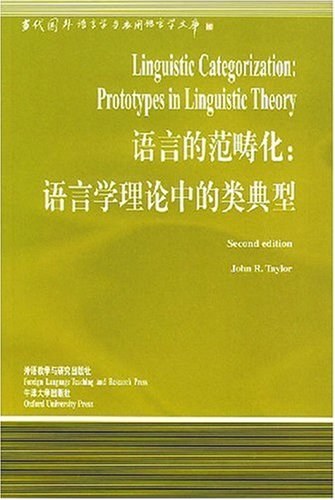
语言的范畴化 Douban
author:
艾伦·约翰·珀西瓦尔·泰勒
publishing house:
外语教学与研究出版社
2001
- 1
当代国外语言学与应用语言学文库》首批54种自2000年9月问世以来,取得很大成功,首印5000套供不应求,10月份便分开重印6000套。能在短短的几个月内出版发行如此宏大规模的语言学著作,这在我国学术出版发行史上是不多见的。自出版以来,许多单位和个人争相订购,研究生和大学生生把《文库》视为良师益友,教师无论老中青都把《文库》视为知识更新的源泉。实践证明,外研社推出的《文库》受到了国内语言学界和外语教学界的普遍好评,它将成为推动我国语言学教学与研究和外语教学与研究的一个宝库。
在成功出版《文库》首批54种的基础上,外研社现在又推出《文库》第二批58种。《文库》第二批具有五大特色:一、由58部英文原著组成,所覆盖的学科从首批的26个增加到现在的33个,新增学科包括语言学史、语言哲学、认知语言学、人类语言学、语言的起源、语法化学说等,能更广泛地满足读者的需求;二、收入了当代语言学大师索绪尔、萨丕尔、布龙菲尔德、韩礼德、乔姆斯基、奥斯汀、格莱斯、利奇等名家的最有影响的伤口具有更高的权威性;三、增加了牛津大学出版社、哈佛大学出版社等世界知名出版社出版的语言学经典著作;四、依然配有专家导读,专家的队伍比首批更为强大;五、世界著名语言学家乔姆斯基教授和我国著名语言学家沈家煊教授作序。
本《文库》是一个大型的、开放性的系列丛书,它将对我国语言教学与研究和外语教学与研究起到积极的推动作用。今后,外研社还将继续引进,争取把国外最新的、最具影响的语言学和应用语言学著作不断地奉献给广大读者。
在成功出版《文库》首批54种的基础上,外研社现在又推出《文库》第二批58种。《文库》第二批具有五大特色:一、由58部英文原著组成,所覆盖的学科从首批的26个增加到现在的33个,新增学科包括语言学史、语言哲学、认知语言学、人类语言学、语言的起源、语法化学说等,能更广泛地满足读者的需求;二、收入了当代语言学大师索绪尔、萨丕尔、布龙菲尔德、韩礼德、乔姆斯基、奥斯汀、格莱斯、利奇等名家的最有影响的伤口具有更高的权威性;三、增加了牛津大学出版社、哈佛大学出版社等世界知名出版社出版的语言学经典著作;四、依然配有专家导读,专家的队伍比首批更为强大;五、世界著名语言学家乔姆斯基教授和我国著名语言学家沈家煊教授作序。
本《文库》是一个大型的、开放性的系列丛书,它将对我国语言教学与研究和外语教学与研究起到积极的推动作用。今后,外研社还将继续引进,争取把国外最新的、最具影响的语言学和应用语言学著作不断地奉献给广大读者。
分析英语语法 Douban
author:
刘应德
publishing house:
四川大学
2007
- 11
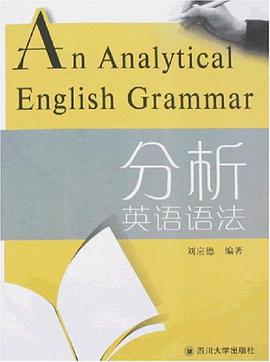
《分析英语语法》主要内容:英语语法与汉语语法最大的区别就是英语的谓语只能由动词充当,而且每句话必须有谓语,在有动词充当谓语之后再需要使用动词来表达思想时,就必须用动词的非谓语形式,即动名词、不定式或分词形式。(并列谓语是例外,将并列谓语中的一个保留,其余全部省略掉句子仍然正确。)中国学生最常见的重大语法错误就是不会使用非谓语动词来解决动词冲突,因此《分析英语语法》将以上内容安排在宾语一章中讨论并将它们解释为“解决动词冲突的手段”。(尽管动名词、不定式或分词形式也可以用在句子谓语之前做句子主语或状语,但是它们用在谓语后面做宾语、补语或状语的常见程度远远高于用在谓语前面做句子主语或其他句子成分。)英语的谓语既要体现时态、语态,还要表现语气,《分析英语语法》有意将这些内容安排在谓语一章中讨论;而将主语从句放在主语一章中讨论,把宾语从句放在宾语一章中讨论,把定语从句放在定语一章中讨论,把状语从句放在状语一章中讨论,其目的是希望读者获得完整的英语句子结构的总体印象:不论是短语还是从句做句子成分,每个句子都由同样的句子成分构成。
汉语句子的焦点结构和语义解释 Douban
author:
袁毓林
publishing house:
商务印书馆
2012
- 6
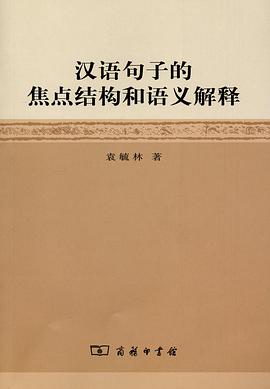
本书主要用形式语义学的焦点理论,来分析句子成分之间的结构关系和语义关系;着重用数理逻辑上关于算子和变量的约束关系这种观念,来分析焦点敏感算子跟焦点之间的语义关联、及其结构限制,概括汉语焦点结构的形式特征和语义特点,构建焦点结构的句法分析程序和相应的语义解释程序,揭示汉语焦点结构对句子的语义解释产生作用的具体机制,以更有效地分析和表示汉语句子的语义结构跟形式结构之间的映射关系,推进汉语语法研究更上一个台阶。
Women, Fire and Dangerous Things Douban Goodreads
author:
George Lakoff
publishing house:
University Of Chicago Press
1990
- 1
other title:
Women, Fire, and Dangerous Things: What Categories Reveal About the Mind
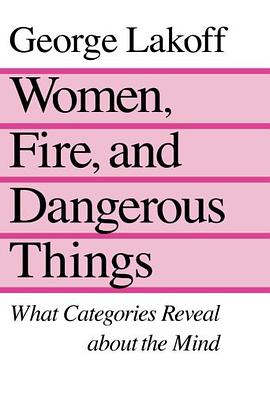
"Its publication should be a major event for cognitive linguistics and should pose a major challenge for cognitive science. In addition, it should have repercussions in a variety of disciplines, ranging from anthropology and psychology to epistemology and the philosophy of science. . . . Lakoff asks: What do categories of language and thought reveal about the human mind? Offering both general theory and minute details, Lakoff shows that categories reveal a great deal."--David E. Leary, "American Scientist"
梅祖麟语言学论文集 Douban
author:
梅祖麟
publishing house:
商务印书馆
2000
本书是美国著名汉学家梅祖麟先生的论文选集,共收录梅先生有代表性的关于汉语语法史、闽语史、声调史和汉藏语比较的语言学论文共21篇,前面有一篇自序,后附石锋和朝奋对梅先生的访谈录和梅先生论著目录。所有论文均在《中国语文》、《史语所集刊》等权威杂志上发表过,影响很大,学术价值相当高,其观点常常被海内外的学者引用,在世界范围内大大推动了汉语言研究的发展。
现代汉语选择问句法的来源
《三朝北盟会编》里的白话资料
现代汉语完成貌句式和词尾的来源
关于近代汉语指代词
——读吕著《近代汉语指代词》
唐、五代“这、那”不单用作主语
词尾“底”、“的”的来源
北方方言中第一人称代词复数包括式和排除式对立的来源
汉语方言里虚词“著”字三种用法的来源
唐宋处置式的来源
从汉代的“动、杀”、“动、死”来看动补结构的发展
——兼论中古时期起词的施受关系的中立化
唐代、宋代共同语的语法和现代方言的语法
几个闽语语法成分的时间层次
四声别义中的时间层次
说上声
内部拟构汉语三例
汉藏语的“岁、越”、“还(旋)、圜”及其相关问题
方言本字研究的两种方法
Tones and Prosody in Middle Chinese and the Origin of the Rising Tone
The Austroasiatics in Ancient South China:Some Lexical Evidence
The Sanskrit Origins of Recent Style Prosody
More on the Aspect Marker tsi in Wu Dialects
访梅祖麟教授
附:梅祖麟先生论著目录
现代汉语选择问句法的来源
《三朝北盟会编》里的白话资料
现代汉语完成貌句式和词尾的来源
关于近代汉语指代词
——读吕著《近代汉语指代词》
唐、五代“这、那”不单用作主语
词尾“底”、“的”的来源
北方方言中第一人称代词复数包括式和排除式对立的来源
汉语方言里虚词“著”字三种用法的来源
唐宋处置式的来源
从汉代的“动、杀”、“动、死”来看动补结构的发展
——兼论中古时期起词的施受关系的中立化
唐代、宋代共同语的语法和现代方言的语法
几个闽语语法成分的时间层次
四声别义中的时间层次
说上声
内部拟构汉语三例
汉藏语的“岁、越”、“还(旋)、圜”及其相关问题
方言本字研究的两种方法
Tones and Prosody in Middle Chinese and the Origin of the Rising Tone
The Austroasiatics in Ancient South China:Some Lexical Evidence
The Sanskrit Origins of Recent Style Prosody
More on the Aspect Marker tsi in Wu Dialects
访梅祖麟教授
附:梅祖麟先生论著目录
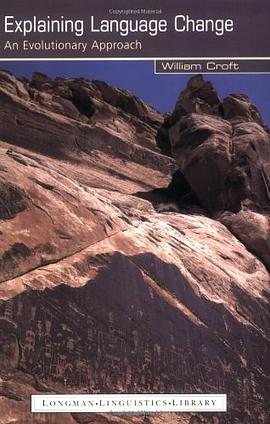
Explaining Language Change Douban
author:
Croft, William
publishing house:
Prentice Hall
2001
- 1
Ever since the origins of both linguistics and evolutionary biology in the 19th century, scholars have noted the similarity between biological evolution and language change. Yet until recently neither linguists nor biologists have developed a model of evolution to apply across the two fields. Explaining Language Change presents the first integrated theory of all aspects of language change which builds on the pioneering ideas of Richard Dawkins and David Hull in biology and philosophy of science. It provides a framework for assessing current theories and advances new ideas about grammatical reanalysis, conventional and non-conventional use of language, the structure of speech communities, language mixing, and the notion of 'progress' in language change. This is an important new study which reintegrates sociolinguistics and historical linguistics and weaves together research on grammatical change, pragmatics, social variation, language contact and genetic linguistics.
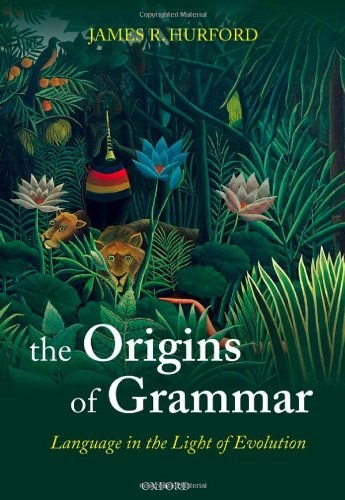
The Origins of Grammar Douban
author:
James R. Hurford
publishing house:
Oxford University Press, USA
2011
- 10
This is the second of the two closely linked but self-contained volumes that comprise James Hurford's acclaimed exploration of the biological evolution of language. In the first book he looked at the evolutionary origins of meaning, ending as our distant ancestors were about to step over the brink to modern language. He now considers how that step might have been taken and the consequences it undoubtedly had. The capacity for language lets human beings formulate and express an unlimited range of propositions about real or fictitious worlds. It allows them to communicate these propositions, often overlaid with layers of nuance and irony, to other humans who can then interpret and respond to them. These processes take place at breakneck speed. Using a language means learning a vast number of arbitrary connections between forms and meanings and rules on how to manipulate them, both of which a normal human child can do in its first few years of life. James Hurford looks at how this miracle came about. The book is divided into three parts. In the first the author surveys the syntactic structures evident in the communicative behaviour of animals, such as birds and whales, and discusses how vocabularies of learned symbols could have evolved and the effects this had on human thought. In the second he considers how far the evolution of grammar depended on biological or cultural factors. In the third and final part he describes the probable route by which the human language faculty and languages evolved from simple beginnings to their present complex state.
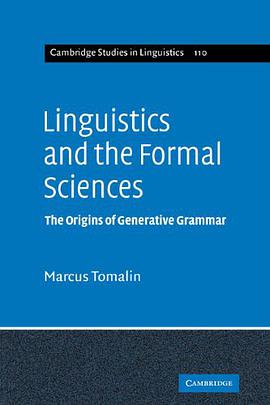
Linguistics and the Formal Sciences Douban
The formal sciences, particularly mathematics, have had a profound influence on the development of linguistics. This insightful overview looks at techniques that were introduced in the fields of mathematics, logic and philosophy during the twentieth century, and explores their effect on the work of various linguists. In particular, it discusses the 'foundations crisis' that destabilised mathematics at the start of the twentieth century, the numerous related movements which sought to respond to this crisis, and how they influenced the development of syntactic theory in the 1950s. The book concludes by discussing the resulting major consequences for syntactic theory, and provides a detailed reassessment of Chomsky's early work at the advent of Generative Grammar. Informative and revealing, this book will be invaluable to all those working in formal linguistics, in particular those interested in its history and development.
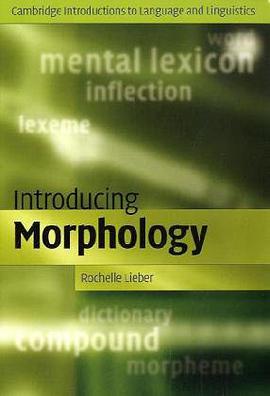
Introducing Morphology Douban
Morphology is the study of how words are put together. A lively introduction to the subject, this textbook is intended for undergraduates with relatively little background in linguistics. Providing data from a wide variety of languages, it includes hands-on activities such as 'challenge boxes', designed to encourage students to gather their own data and analyse it, work with data on websites, perform simple experiments, and discuss topics with each other. There is also an extensive introduction to the terms and concepts necessary for analysing words. Topics such as the mental lexicon, derivation, compounding, inflection, morphological typology, productivity, and the interface of morphology with syntax and phonology expose students to the whole scope of the field. Unlike other textbooks it anticipates the question 'Is it a real word?' and tackles it head on by looking at the distinction between dictionaries and the mental lexicon.