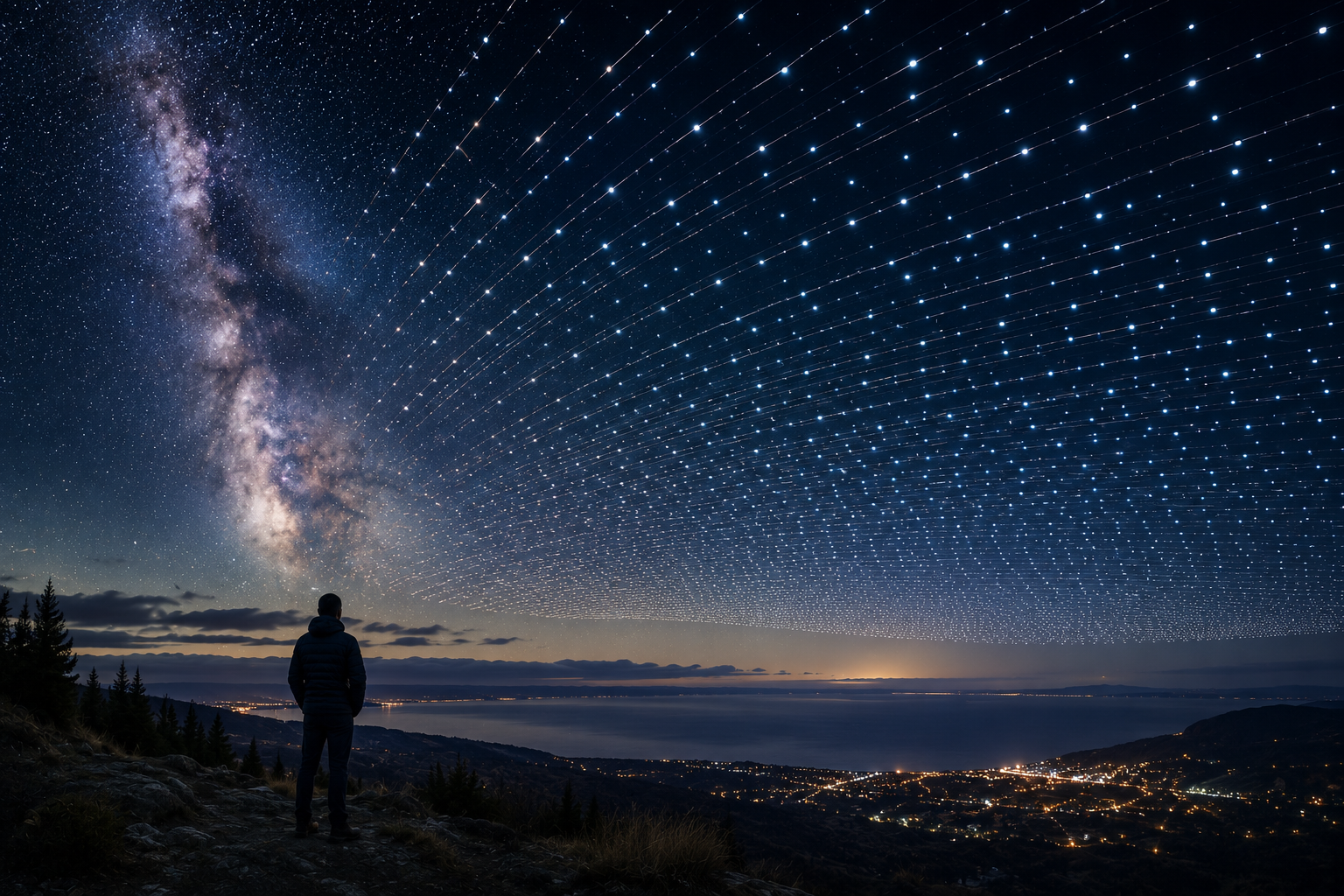
Almost 4 #StarLink satellites fall back to Earth every day and they rain out aluminum oxide into the stratosphere which destroys the ozone layer. These microsatellites are more and mire problematic with every article I read.
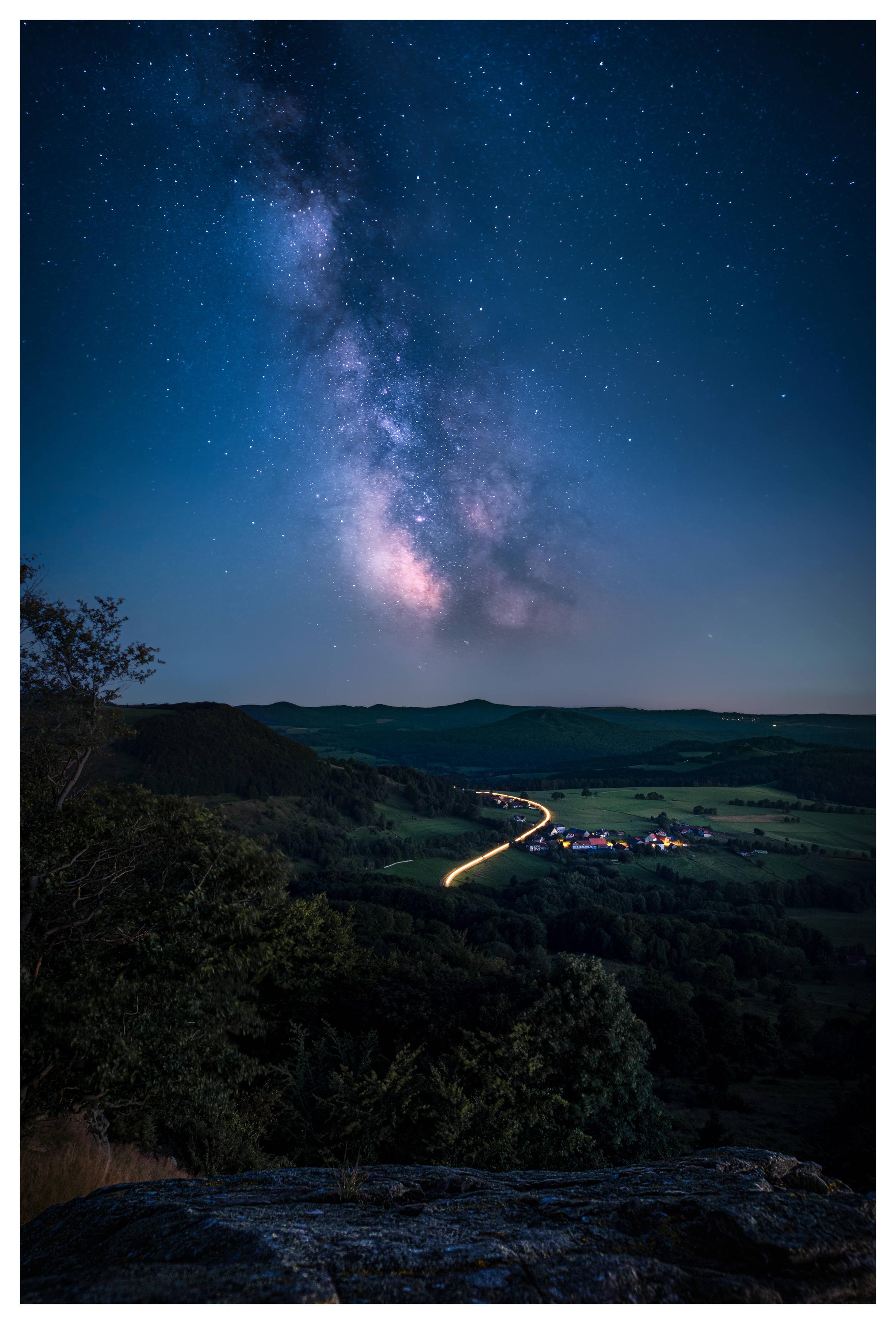
nightsky

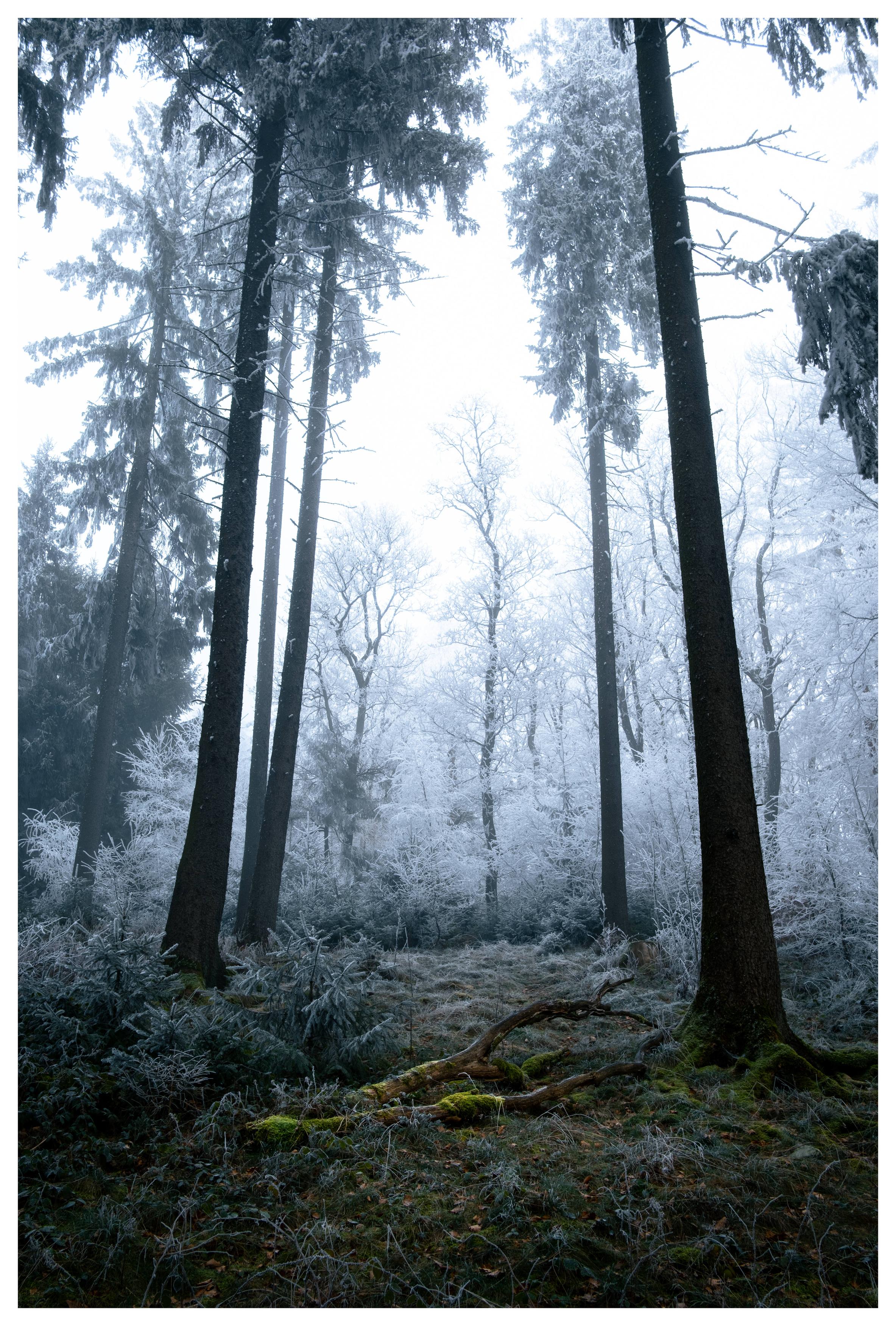
It's #PortfolioDay!
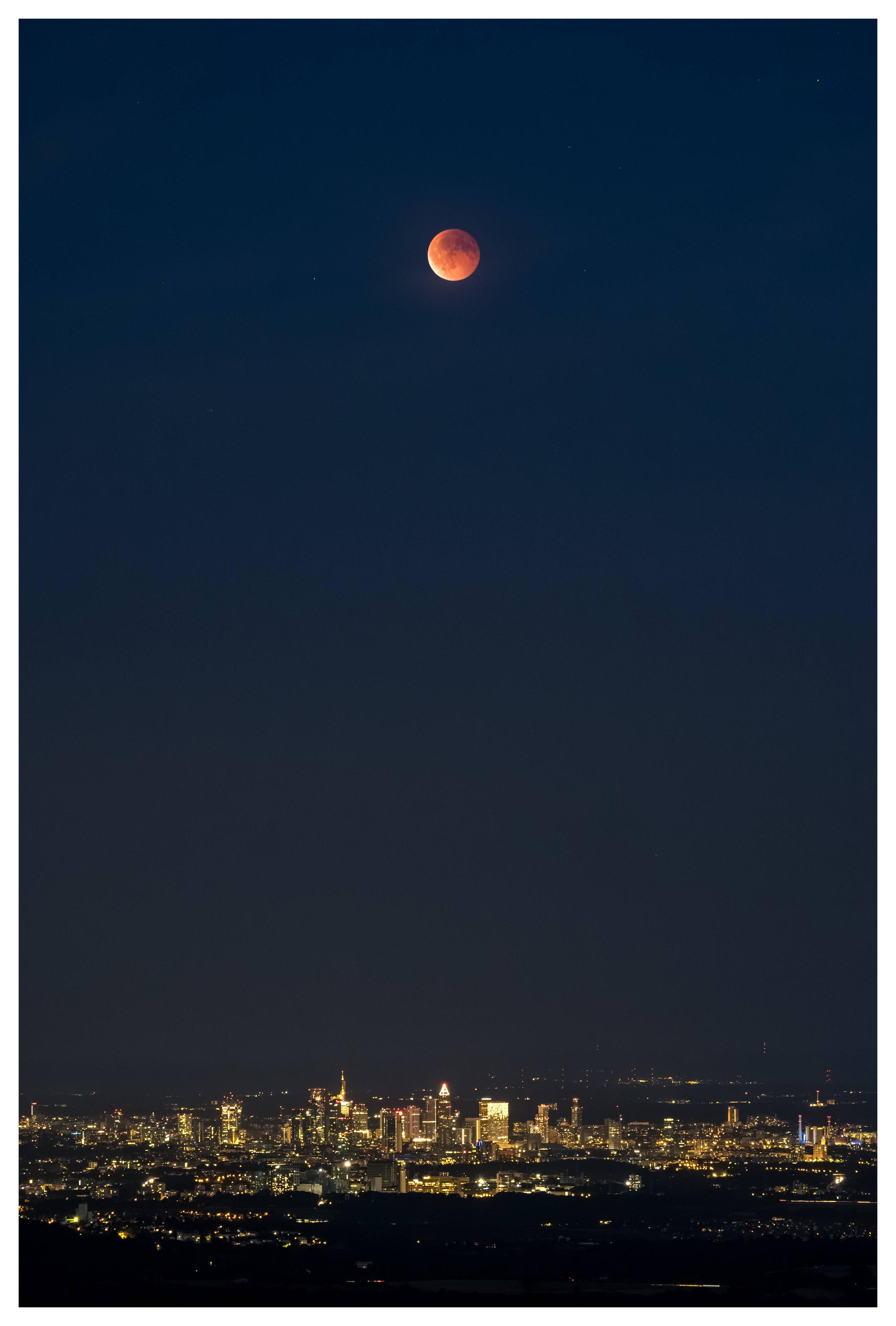
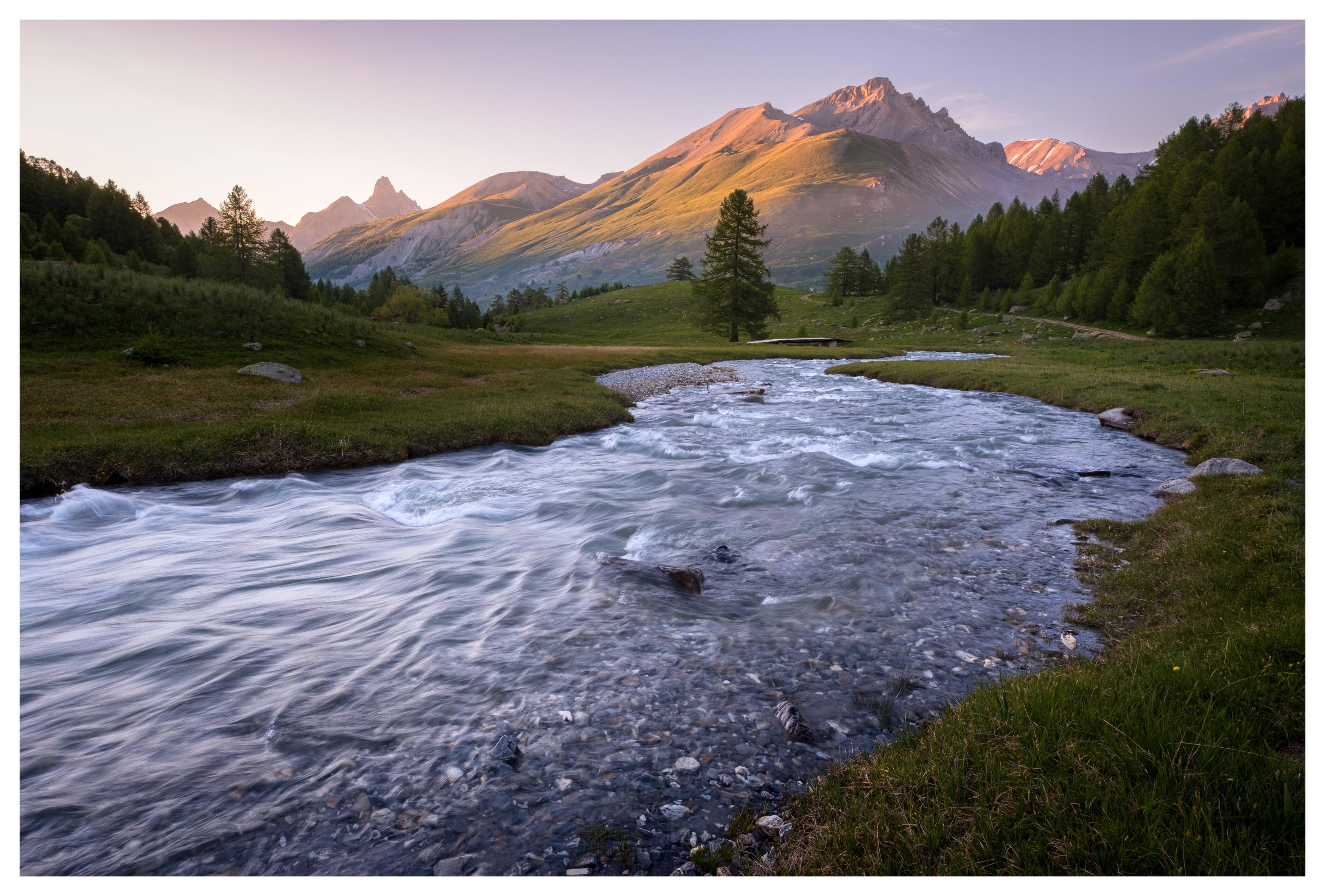
I'm Thorsten, a photographer based in Germany. I focus on night sky, landscape, and nature photography — mainly in the uplands around #Frankfurt and the Alps.
Find more of my work on https://thorstenzobel.com/.
#photography #fediart #art #artist #landscape #landscapephotography #nature #naturephotography #astrophotography #nightsky #night #ffm #fujifilm
Edited 337d ago

New version of my time lapse of the northern lights above Göttingen on the evening of January 20, 2026 (one day after the major show). 74 individual images first reduced in size, then contrast enhanced and brightness reduced, then combined into an animation. 15-minute sequence.
I'm a bit embarrassed at myself because I just want to keep playing this over and over and relive those magic moments 😬
#Aurora #Polarlicht #Nordlicht #Göttingen #Polarlichter #Nordlichter #Astrophotography #Timelapse #Nightsky
DOH! WHEN DID THE SKY
BECOME REAL ESTATE? 💎
I’ve just watched a fascinating and rather unsettling video about the next possible frontier of AI. Not another data centre on Earth. Data centres in orbit. SpaceX has filed plans for an enormous constellation of up to a million solar-powered satellites designed to carry AI computing into space. Other companies and countries are exploring similar ideas.
THE ATTRACTION IS OBVIOUS.
AI needs staggering amounts of electricity. Data centres also need enormous cooling systems and, on Earth, often huge amounts of water. In orbit, there is abundant sunlight and no local power grid to overwhelm.
INGENIOUS.
But then another question appears.
WHAT HAPPENS TO THE NIGHT SKY?
We already live with thousands of satellites overhead. Most of the time, we barely notice them. But if the numbers rise from thousands to hundreds of thousands, or even MILLIONS, the night sky itself begins to change.
Not metaphorically. Literally. More moving machines. More reflected light. More interference with astronomy. More objects travelling through crowded orbital paths at extraordinary speeds. And suddenly this stops being merely a technology story. It becomes a question about ownership.
WHO GETS TO DECIDE WHAT THE NIGHT SKY LOOKS LIKE?
The stars belong to nobody. The sky was not invented by a company. It was not built by a government. Human beings have looked into essentially the same dark sky for hundreds of thousands of years. It may be the oldest shared inheritance we have.
Yet decisions made by a relatively small number of companies and regulators could alter that view for everyone on Earth.
THAT FEELS IMPORTANT.
We have done this before. We enclosed the land. We commercialised attention. We turned personal information into a commodity. Now we may be approaching another enclosure.
THE SKY ITSELF.
None of this means orbital computing should never happen. The technology may prove extraordinarily useful, and many of the worst predictions may never come true. But technological possibility is not the same thing as permission.
Before we fill the heavens with machinery, perhaps humanity ought to have a rather larger conversation about what belongs to all of us. Because if we change the night sky itself, there may eventually be nowhere on Earth left to drive out to see it as it was.
@3goodthings @DigitalCoup @meditation @economics_that_works @startrek
https://youtu.be/asggq4veVQc?si=-E7REY9NSHRlGcMF
#NightSky #Space #Astronomy #AI #Satellites #SpaceX #Technology